Sunday, November 24, 2024
How to Relieve Gum Pain and Sensitivity with Warm Saltwater Rinses
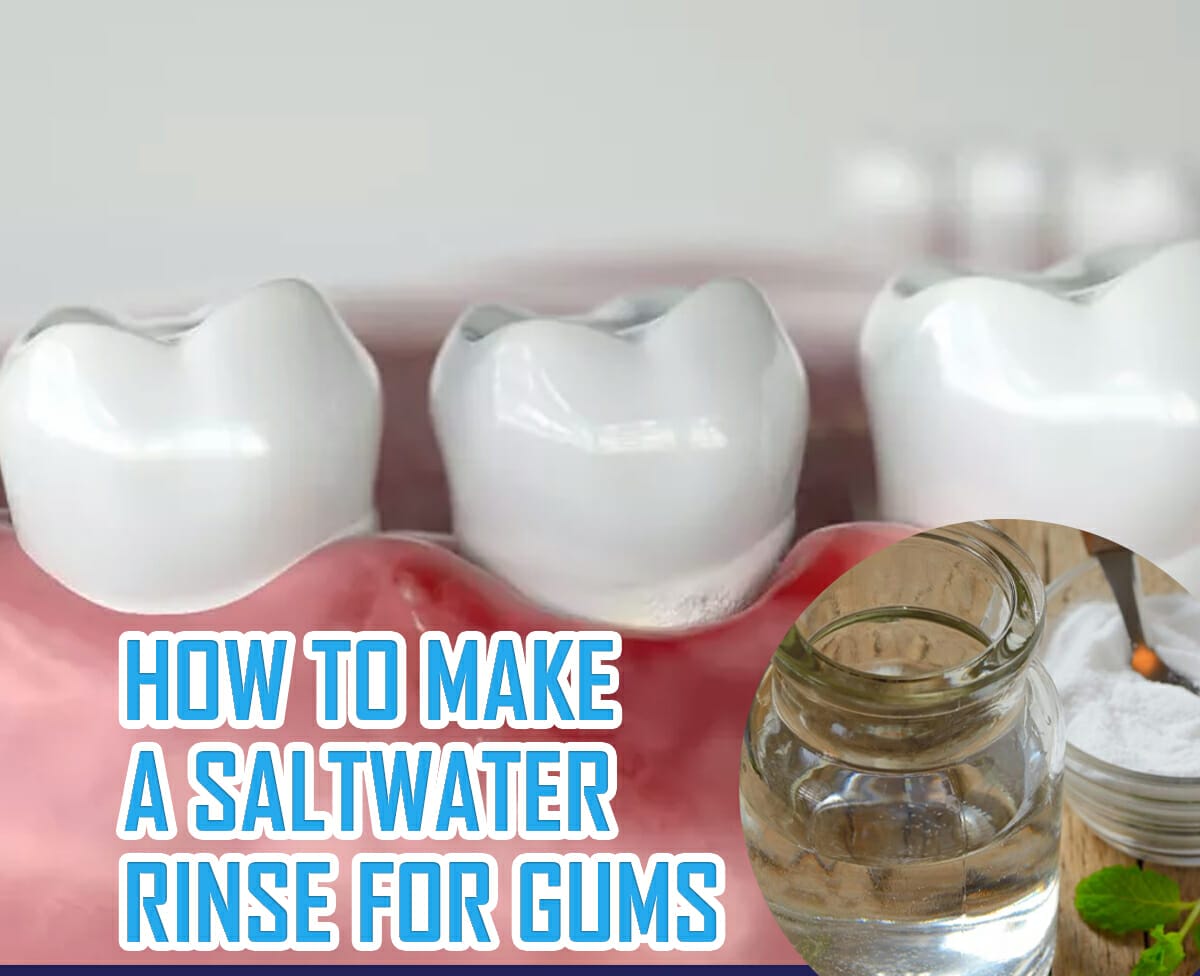
Soothe Those Sore Gums: The Magic of Warm Saltwater Rinses
Okay, let's talk about gum pain. That throbbing, aching feeling? Ugh, nobody wants it. Whether it's from gingivitis, a minor irritation, or something more serious, sensitive gums can really put a damper on your day (and your appetite!). But before you reach for the over-the-counter pain relievers, let's explore a simple, natural, and often surprisingly effective remedy: the humble warm saltwater rinse.
I know what you're thinking: "Saltwater? Really?" Hear me out! This isn't just some old wives' tale. Warm saltwater rinses have been used for centuries to soothe irritated gums and provide temporary relief from pain. It's a gentle yet powerful way to tackle the problem at its source.
Why Does Saltwater Work?
The magic lies in the salt's properties. Saltwater acts as a natural antiseptic, meaning it helps kill off harmful bacteria that can contribute to gum inflammation and infection. Think of it as a tiny, natural army fighting off the bad guys in your mouth. This is especially helpful if you've got gingivitis (inflammation of the gums), a common early sign of gum disease.
Beyond its antibacterial powers, saltwater also helps to:
- Reduce inflammation: The salt helps to draw out excess fluid from the inflamed gum tissue, reducing swelling and discomfort.
- Rinse away food particles and debris: Food stuck between your teeth can irritate your gums. Saltwater helps flush this away, preventing further irritation.
- Promote healing: The gentle cleansing action of the saltwater can help create a cleaner environment for your gums to heal.
And the warmth? It's not just for comfort. Warm water helps to increase blood flow to the affected area, promoting healing and reducing pain. It's like giving your gums a warm hug!
How to Make and Use a Warm Saltwater Rinse
Making a saltwater rinse is incredibly easy. Seriously, you probably already have everything you need in your kitchen!
What You'll Need:
- A cup of warm water (not hot!) â€" aim for comfortably warm, like the temperature of a baby's bath.
- ½ to ¾ teaspoon of salt (non-iodized is best, as iodized salt can sometimes sting sensitive gums).
- A clean cup or container
Instructions:
- Dissolve the salt in the warm water. Stir until it's completely dissolved. You want a solution that’s not gritty.
- Take a mouthful of the saltwater rinse.
- Swish it around your mouth for at least 30 seconds to a minute, making sure to reach all areas of your mouth, including between your teeth and along your gum line.
- Spit the saltwater into the sink. Do not swallow it!
- Repeat steps 2-4 two to three times a day, or as needed for relief.
Remember to be gentle. If you're experiencing significant pain, you might want to rinse less vigorously to avoid further irritating your gums.
When to Use Warm Saltwater Rinses
Warm saltwater rinses are a great first-line defense against many common gum issues, including:
- Gingivitis: As mentioned earlier, saltwater's antibacterial properties can help fight the bacteria that cause gum inflammation.
- Minor gum irritation: If you’ve accidentally bitten your gum or have some minor irritation from braces or other dental appliances, a saltwater rinse can help soothe the area.
- After dental procedures: Your dentist might recommend a saltwater rinse to help keep the area clean and promote healing after procedures like extractions or surgery.
- Mouth sores: While it won’t cure canker sores or other mouth sores, a saltwater rinse can help keep them clean and reduce discomfort.
Important Considerations
While warm saltwater rinses are generally safe and effective for temporary relief, it's important to remember a few things:
- It’s not a cure-all: Saltwater rinses provide temporary relief from pain and inflammation. They don't treat the underlying cause of gum problems. If your gum pain persists or worsens, or if you notice bleeding gums, swelling, or pus, see your dentist immediately. This could be a sign of a more serious issue like periodontitis (gum disease).
- Don't overdo it: While rinsing several times a day can be beneficial, excessively rinsing can dry out your mouth and potentially irritate your gums further. Find a balance that works for you.
- Consult your dentist: Before using saltwater rinses, especially if you have any existing medical conditions or are taking medication, it's always a good idea to check with your dentist. They can advise you on the best course of action for your specific situation.
- Proper oral hygiene is key: Saltwater rinses are a helpful supplementary treatment, but they're not a replacement for good oral hygiene. Continue to brush and floss regularly to maintain healthy gums and teeth.
Commonly Asked Questions
Let's address some common questions about using warm saltwater rinses for gum pain:
Q: Can I use table salt?
A: Yes, you can use table salt, but non-iodized salt is generally preferred as iodized salt can sometimes sting sensitive gums.
Q: How long should I continue using saltwater rinses?
A: Continue using saltwater rinses until your gum pain subsides. However, if the pain persists for more than a few days or worsens, consult your dentist.
Q: Can I use hot water?
A: No, avoid using hot water as it can further irritate your gums. Warm water is best.
Q: Are there any side effects?
A: Side effects are rare but can include temporary dryness of the mouth if used excessively. If you experience any unusual side effects, stop using the rinse and consult your dentist.
Q: Can I use saltwater rinses with other treatments?
A: Yes, you can often use saltwater rinses alongside other treatments your dentist recommends, such as medicated mouthwashes or antibiotic gels. However, always ask your dentist to ensure there are no interactions.
Remember, while warm saltwater rinses can be a great way to soothe your gums and provide temporary relief, they are not a substitute for professional dental care. If you're experiencing persistent or severe gum pain, always consult your dentist for a proper diagnosis and treatment plan.

0 comments:
Post a Comment
Note: Only a member of this blog may post a comment.