Sunday, November 24, 2024
Probiotic-Infused Solutions for a Fresher, Healthier Mouth
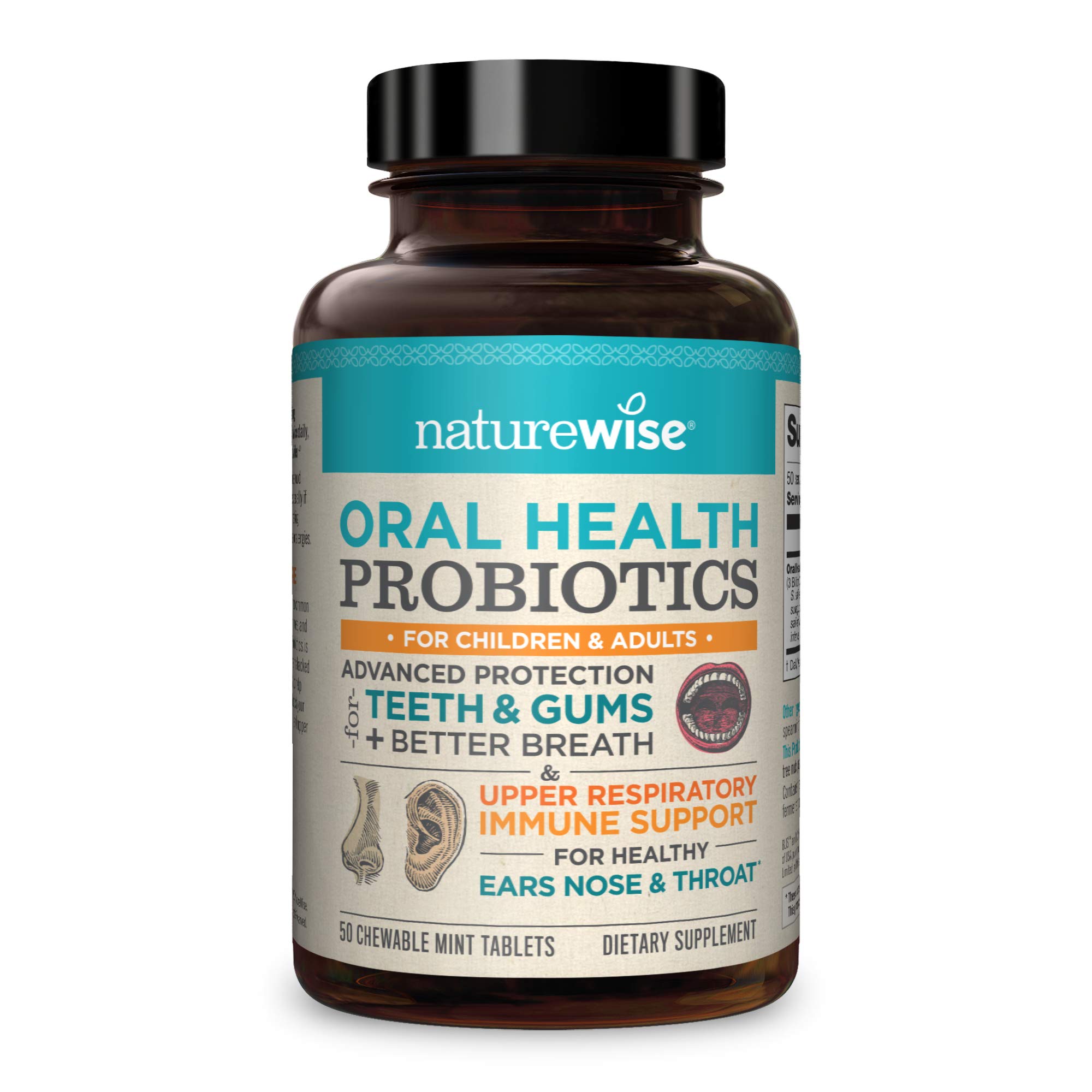
Probiotic-Infused Solutions for a Fresher, Healthier Mouth
The oral microbiome, a complex ecosystem of microorganisms inhabiting the oral cavity, plays a pivotal role in maintaining oral health. A balanced microbiome contributes to a healthy mouth, characterized by the absence of periodontal disease, gingivitis, and halitosis. Conversely, an imbalance, or dysbiosis, can lead to a cascade of oral health problems. Recent advancements in dental science have highlighted the potential of probiotic-infused solutions as a novel approach to restoring and maintaining this delicate equilibrium, offering a promising avenue for achieving a fresher, healthier mouth.
Understanding the Oral Microbiome and its Significance
The human mouth harbors a vast and diverse community of bacteria, fungi, viruses, and archaea. This complex ecosystem is not merely a passive inhabitant but actively participates in various physiological processes. Beneficial microorganisms, or commensals, contribute to oral health by inhibiting the growth of pathogenic bacteria, aiding in nutrient metabolism, and strengthening the host's immune response. Conversely, pathogenic microorganisms, when allowed to proliferate unchecked, can lead to a range of oral diseases.
The Role of Beneficial Bacteria
Specific bacterial strains, such as Streptococcus salivarius K12 and Lactobacillus reuteri, are recognized for their beneficial effects on oral health. S. salivarius K12, a naturally occurring inhabitant of the oral cavity, produces bacteriocins, antimicrobial peptides that inhibit the growth of pathogenic bacteria like Streptococcus mutans, a key player in the development of dental caries (tooth decay). L. reuteri, known for its probiotic properties in the gut, has also demonstrated efficacy in reducing the severity of gingivitis and improving oral hygiene parameters.
The Impact of Dysbiosis
Dysbiosis, an imbalance in the oral microbiome's composition, is strongly linked to various oral diseases. A decrease in beneficial bacteria and a concomitant increase in pathogenic bacteria create a permissive environment for the development of conditions such as:
- Dental caries (tooth decay): Streptococcus mutans and Lactobacillus species contribute to the demineralization of tooth enamel, leading to cavities.
- Gingivitis and periodontitis: Porphyromonas gingivalis, Tannerella forsythia, and Treponema denticola are associated with the inflammation of gums (gingivitis) and the destruction of periodontal tissues (periodontitis).
- Halitosis (bad breath): The breakdown of proteins by anaerobic bacteria produces volatile sulfur compounds, leading to unpleasant breath odor.
Probiotics: Restoring the Balance
Probiotics, defined as live microorganisms that confer a health benefit on the host when administered in adequate amounts, offer a promising approach to restoring the balance of the oral microbiome. By introducing beneficial bacteria into the oral cavity, probiotics can:
- Compete with pathogenic bacteria: Probiotics compete with pathogens for nutrients and attachment sites, thereby reducing their colonization and virulence.
- Produce antimicrobial substances: Certain probiotic strains produce bacteriocins and other antimicrobial compounds that inhibit the growth of pathogenic bacteria.
- Modulate the immune response: Probiotics can stimulate the production of antimicrobial peptides and antibodies, enhancing the host's immune defense against oral pathogens.
- Improve oral hygiene parameters: Studies have shown that probiotics can reduce plaque formation, gingivitis scores, and halitosis.
Probiotic-Infused Oral Care Products: A Novel Approach
The incorporation of probiotics into various oral care products, including mouthwashes, toothpastes, and gels, represents a significant advancement in oral health management. These products offer a convenient and accessible way to introduce beneficial bacteria into the oral cavity, promoting a healthier and more balanced microbiome.
Formulations and Delivery Systems
The successful delivery and survival of probiotic strains in oral care products require careful consideration of several factors. The chosen probiotic strain must be able to withstand the harsh conditions of the oral environment, including variations in pH, temperature, and the presence of antimicrobial agents. Furthermore, the formulation must ensure the viability and stability of the probiotic bacteria throughout the product's shelf life. Innovative delivery systems, such as microencapsulation and liposomal encapsulation, are being explored to improve the survival and efficacy of probiotics in oral care products.
Clinical Evidence and Future Directions
While the evidence supporting the efficacy of probiotic-infused oral care products is still emerging, several clinical studies have demonstrated promising results. These studies have shown that probiotic mouthwashes and toothpastes can reduce plaque formation, gingivitis, and halitosis. However, further research is needed to establish the long-term effects of probiotic therapy on oral health and to identify the optimal probiotic strains and formulations for different oral conditions. Future research should also focus on personalized probiotic therapies tailored to individual microbiome profiles, ensuring the most effective treatment for each patient.
Conclusion: A Promising Future for Oral Health
The incorporation of probiotics into oral care products offers a promising new strategy for improving oral health. By restoring the balance of the oral microbiome, probiotics can contribute to the prevention and treatment of various oral diseases, leading to a fresher, healthier mouth. While more research is necessary to fully elucidate the long-term benefits and optimal applications of these novel therapies, the current evidence suggests that probiotic-infused solutions represent a significant advancement in the field of oral health care, offering a natural and effective approach to maintaining oral well-being.
Disclaimer: This article is intended for informational purposes only and should not be considered medical advice. Always consult with a dentist or other qualified healthcare professional before making any decisions related to your oral health.

0 comments:
Post a Comment
Note: Only a member of this blog may post a comment.