Friday, November 22, 2024
How to Soothe Gum Infection from Sensitive Teeth with Natural Remedies
Soothe Your Gum Infection and Sensitive Teeth Naturally
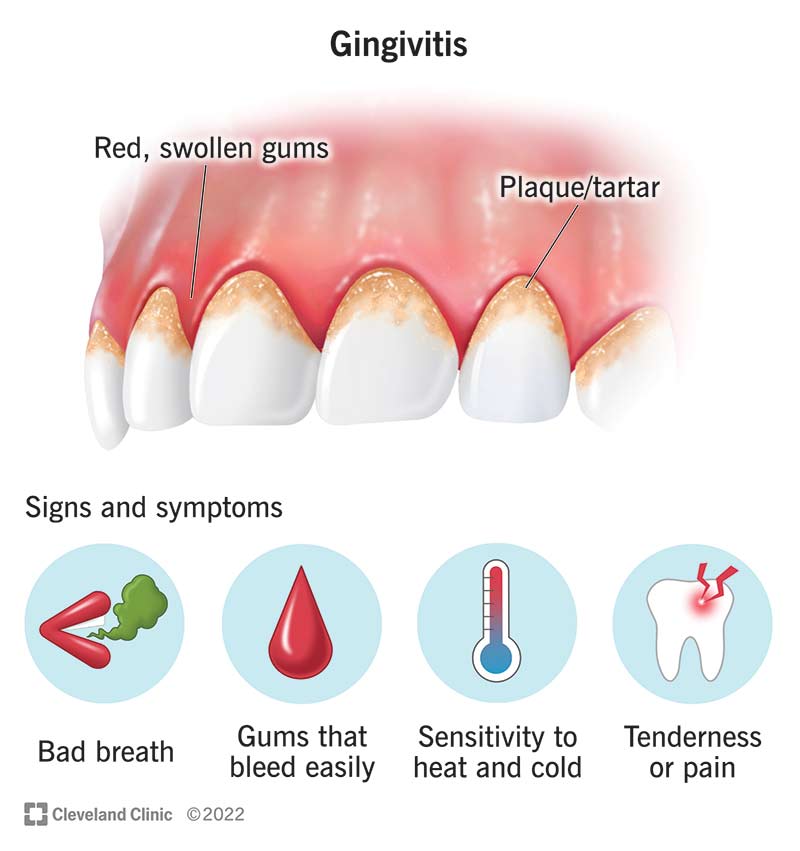
A gum infection, or gingivitis, coupled with sensitive teeth, can be incredibly uncomfortable. The throbbing pain, bleeding gums, and increased sensitivity to hot and cold foods and drinks make even simple tasks challenging. While professional dental care is crucial for managing gum disease, several natural remedies can offer soothing relief and support your healing process. Remember, these remedies are complementary and should not replace a visit to your dentist. Let's explore some effective and gentle ways to ease your discomfort.
Understanding the Problem: Gum Infection and Sensitivity
Sensitive teeth often accompany gum infections. Bacteria build up along the gum line, causing inflammation and infection. This inflammation can irritate the nerve endings in your teeth, making them hypersensitive to temperature changes, pressure, and even air. The underlying cause is usually poor oral hygiene, leading to plaque buildup that hardens into tartar. Tartar irritates the gums, triggering inflammation and potentially receding gums, exposing the dentin (the layer beneath the enamel) which is more sensitive. Addressing both the infection and sensitivity is key for complete relief.
Natural Remedies for Relief
Saltwater Rinse: A Simple, Effective Solution
A saltwater rinse is a time-tested remedy for soothing inflamed gums. The salt's antibacterial properties help fight infection, while the water gently cleanses the area. To prepare a saltwater rinse, dissolve ½ to ¾ teaspoon of salt in a glass of warm water. Swish the solution gently around your mouth for about 30-60 seconds, then spit it out. Repeat this several times a day, particularly after meals. Avoid vigorously swishing, as this can irritate your gums further.
Hydrogen Peroxide Rinse: A Powerful Antiseptic
Hydrogen peroxide possesses powerful antiseptic properties that can effectively combat gum infection. However, it’s crucial to use a diluted solution. Mix equal parts of 3% hydrogen peroxide and water. Gently swish this mixture in your mouth for 30 seconds, then thoroughly rinse with plain water. Never swallow the solution. Use this rinse only once or twice a day, as excessive use can damage your oral tissues. Consult your dentist before using hydrogen peroxide, especially if you have any underlying health conditions.
Aloe Vera: Nature's Soothing Agent
Known for its anti-inflammatory and healing properties, aloe vera gel can provide soothing relief from gum inflammation and pain. Apply a small amount of pure aloe vera gel directly to your affected gums. Gently massage it in, ensuring contact with the inflamed areas. Allow the gel to sit for a few minutes before rinsing your mouth with water. You can find aloe vera gel in most health food stores or pharmacies.
Clove Oil: A Natural Analgesic and Antiseptic
Clove oil has long been used for its analgesic and antiseptic properties. It contains eugenol, a potent compound that effectively numbs pain and fights bacteria. Dilute a drop or two of clove oil with a tablespoon of olive or coconut oil (this is crucial to avoid burning your gums). Apply a small amount of this mixture directly to the infected area using a cotton swab. Use sparingly, as clove oil can be quite potent.
Lifestyle Changes for Long-Term Oral Health
While these natural remedies offer immediate relief, maintaining good oral hygiene is vital for preventing future infections and sensitivity. Consider these important steps:
- Brush your teeth twice a day with a soft-bristled toothbrush.
- Floss daily to remove plaque and food particles from between your teeth.
- Use a fluoride toothpaste to strengthen your enamel and protect against sensitivity.
- Maintain a balanced diet low in sugary and acidic foods and drinks.
- Quit smoking, as smoking significantly increases your risk of gum disease.
- Visit your dentist for regular check-ups and professional cleanings.
Remember, while natural remedies can provide significant relief, they are not a substitute for professional dental care. If your gum infection persists or worsens, or if you experience severe pain or swelling, consult your dentist immediately. Early intervention is crucial in preventing serious complications.

0 comments:
Post a Comment
Note: Only a member of this blog may post a comment.