Sunday, November 24, 2024
How Probiotics Help with Dry Mouth and Maintain Oral Health
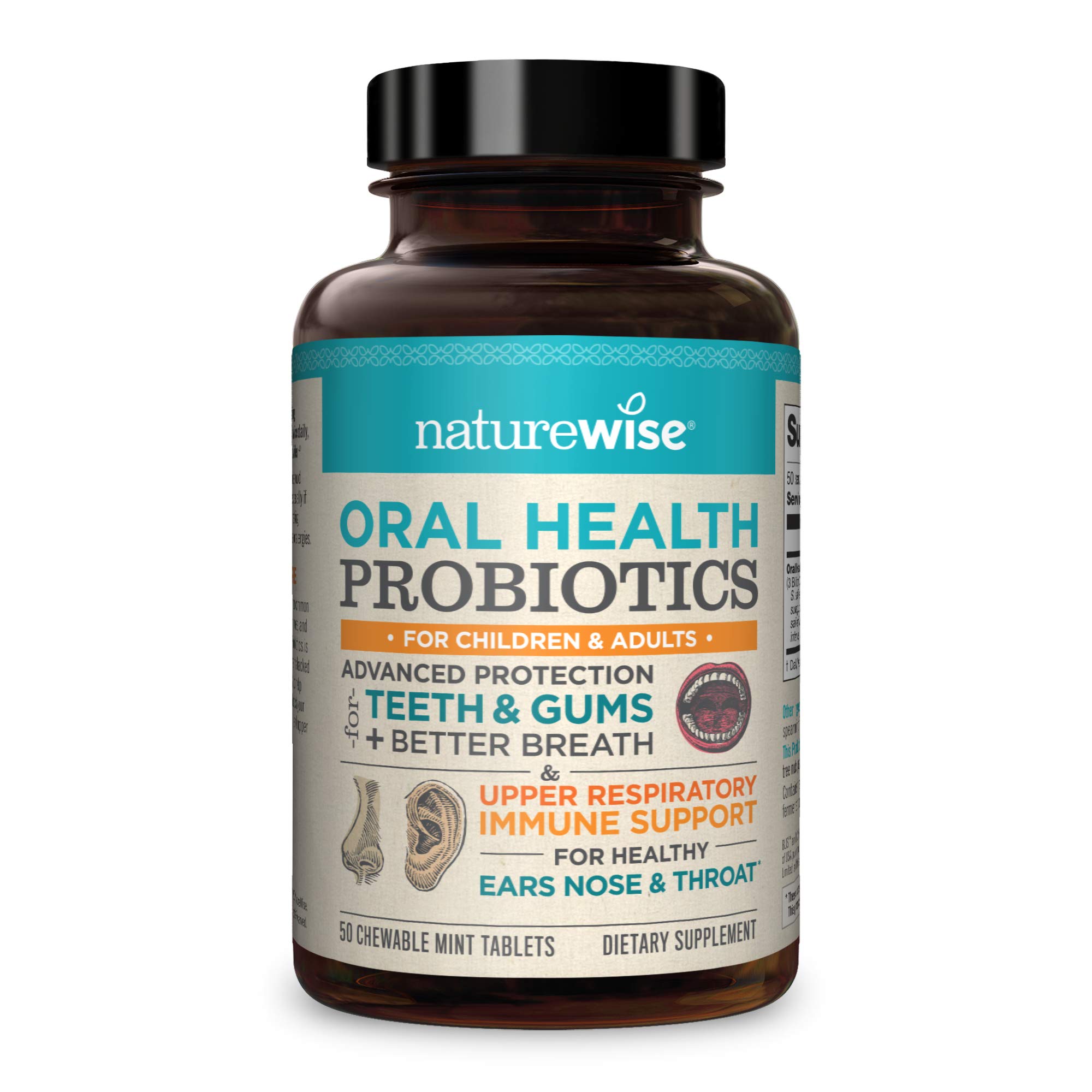
The Amazing Link Between Probiotics, Dry Mouth, and a Healthier Smile
Hey everyone! Let's talk about something that might surprise you: the connection between those tiny little beneficial bacteria called probiotics and your oral health, especially when you're dealing with that annoying dry mouth (xerostomia).
Dry mouth is more than just an uncomfortable feeling. It can actually increase your risk of cavities, gum disease, and other oral health problems. But what if I told you there's a natural way to help combat this, and it involves boosting the good bacteria in your mouth? That's where probiotics come in!
Understanding the Dry Mouth Dilemma
Before we dive into the probiotic magic, let's quickly chat about dry mouth. It happens when your salivary glands don't produce enough saliva. Saliva is crucial because it:
- Washes away food particles and bacteria.
- Neutralizes acids produced by bacteria.
- Contains antibacterial substances that fight infection.
- Helps remineralize your teeth, strengthening enamel.
When you have dry mouth, all these protective actions are reduced, leaving your mouth vulnerable to various problems. This is why it's so important to address dry mouth effectively.
How Probiotics Enter the Picture
This is where the amazing world of probiotics comes in. Probiotics are live microorganisms, mostly bacteria, that offer health benefits when consumed in adequate amounts. Think of them as the "good guys" in your gut and, importantly, in your mouth too! They work in a few key ways to help with dry mouth and overall oral health:
Restoring the Balance of Oral Microflora
Your mouth is teeming with bacteria â€" both good and bad. Dry mouth throws this balance off, allowing harmful bacteria to flourish. Probiotics help restore this balance by outcompeting the bad bacteria for space and resources. They basically create a healthier, more competitive environment in your mouth, making it less hospitable for cavity-causing bugs.
Boosting Saliva Production (Indirectly)
While probiotics don't directly stimulate saliva production, they can indirectly contribute. By improving the overall oral environment and reducing inflammation, they might help create a more favorable environment for your salivary glands to function optimally. Think of it as creating a healthier foundation for your body's natural processes to work better.
Reducing Inflammation
Dry mouth can often lead to inflammation in the gums and oral tissues. Many probiotic strains possess anti-inflammatory properties, which can help soothe irritated tissues and promote healing. This reduction in inflammation can contribute to a more comfortable and healthy mouth overall.
Strengthening the Oral Mucosa
The oral mucosa is the lining of your mouth. Dry mouth can weaken and damage this lining, making it more susceptible to infections and irritation. Some research suggests that certain probiotics can help strengthen the oral mucosa, providing a protective barrier against harmful bacteria and irritants.
Choosing the Right Probiotics for Oral Health
Not all probiotics are created equal! When looking for probiotics to support your oral health, particularly if you have dry mouth, look for products containing strains known for their benefits in the mouth. Some of the most commonly studied strains include:
- Lactobacillus reuteri
- Lactobacillus rhamnosus
- Lactobacillus salivarius
- Streptococcus salivarius K12
You can find these strains in various forms, including yogurt, probiotic capsules, and even specialized oral rinses. Always check the label to ensure the product contains live and active cultures, and consult with your dentist or doctor before starting any new supplement regimen, especially if you have underlying health conditions.
Beyond Probiotics: A Holistic Approach to Dry Mouth
While probiotics are a fantastic tool, they're not a miracle cure-all. Managing dry mouth effectively often requires a multi-pronged approach. In addition to probiotics, consider these strategies:
- Drink plenty of water: This is the simplest and most effective way to combat dryness.
- Chew sugar-free gum or candy: This stimulates saliva production.
- Use a saliva substitute: These products help lubricate your mouth.
- Avoid smoking and alcohol: These further dehydrate your mouth.
- Maintain good oral hygiene: Brush and floss regularly to remove food particles and bacteria.
- Address underlying medical conditions: Dry mouth can be a side effect of certain medications or medical conditions. Talk to your doctor if you suspect this might be the case.
The Bottom Line
Dry mouth can be a real nuisance, but it doesn't have to control your life (or your smile!). By incorporating probiotics into your oral care routine alongside other healthy habits, you can significantly improve your oral health and comfort. Remember to consult your dentist or doctor for personalized advice and to discuss any concerns you might have.
Commonly Asked Questions
Q: How long does it take to see results from using probiotics for dry mouth?
A: It varies from person to person, but you might start noticing improvements in a few weeks. Consistency is key, so keep using your chosen probiotic regularly.
Q: Can probiotics interact with any medications?
A: It's possible. Always consult your doctor or pharmacist before starting any new supplement, especially if you're on medication. They can help you identify any potential interactions.
Q: Are there any side effects associated with using oral probiotics?
A: Generally, oral probiotics are well-tolerated. However, some people may experience mild gastrointestinal side effects like bloating or gas, particularly when initially starting a probiotic supplement. These side effects are usually temporary. If you experience any concerning side effects, stop use and consult your doctor.
Q: Where can I find probiotics for oral health?
A: You can find them at health food stores, pharmacies, and online retailers. Look for products specifically formulated for oral health and containing strains known for their beneficial effects on the mouth.
Q: Can I use probiotics alongside other dry mouth treatments?
A: Absolutely! Probiotics can be a valuable addition to other strategies for managing dry mouth, such as using saliva substitutes or sugar-free gum.

0 comments:
Post a Comment
Note: Only a member of this blog may post a comment.