Friday, November 22, 2024
What You Should Know About Gum Recession and Its Treatment Options
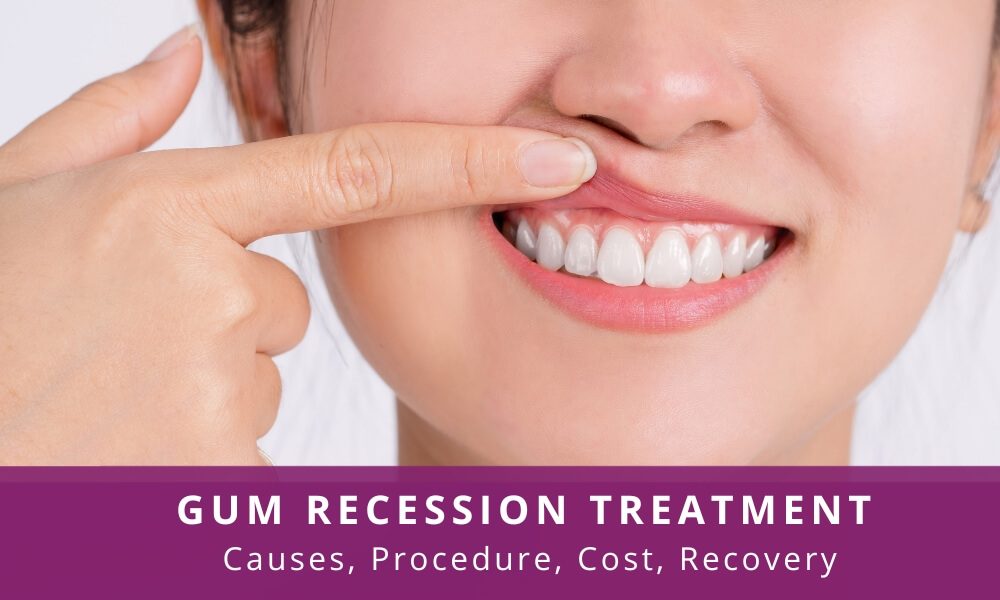
Gum Recession and Its Treatment Options: A Comprehensive Overview
Gum recession, also known as gingival recession, is a prevalent dental condition characterized by the gradual exposure of the tooth roots due to the retraction of the gum line. This process can affect one or multiple teeth, leading to aesthetic concerns, increased sensitivity to temperature and pressure, and, if left untreated, potential tooth loss. Understanding the causes, symptoms, and available treatment options is crucial for maintaining optimal oral health.
Causes of Gum Recession
The etiology of gum recession is multifaceted, often involving a combination of factors. While the exact mechanisms are not always fully understood, several key contributors have been identified.
Aggressive Brushing Techniques
Vigorous brushing with a hard-bristled toothbrush can abrade the gum tissue over time, leading to recession. The abrasive action gradually wears away the gum line, exposing more of the tooth structure.
Periodontal Disease
Periodontal disease, encompassing gingivitis and periodontitis, is a major cause of gum recession. Bacterial infection and inflammation destroy the supporting tissues of the teeth, including the periodontal ligament and alveolar bone, resulting in the retraction of the gums. This is often accompanied by other symptoms such as bleeding gums, bad breath, and loose teeth.
Genetics
Genetic predisposition plays a significant role in the susceptibility to gum recession. Individuals with a family history of the condition may be at increased risk, even in the absence of other contributing factors. This genetic component can influence the thickness and overall resilience of the gum tissue.
Bruxism (Teeth Grinding)
Chronic teeth grinding or clenching (bruxism) can exert excessive force on the teeth and gums, leading to gradual recession. This continuous pressure can damage the supporting structures and contribute to the receding gum line.
Hormonal Changes
Fluctuations in hormone levels, particularly during pregnancy and menopause, can increase the susceptibility to gum recession and other periodontal problems. Hormonal changes can influence the inflammatory response and the overall health of the gum tissues.
Tobacco Use
Smoking significantly impairs the body's ability to heal and fight infection. This makes smokers more vulnerable to periodontal disease and consequently, more prone to gum recession. Nicotine constricts blood vessels, reducing blood flow to the gums and hindering tissue repair.
Misaligned Teeth (Malocclusion)
Improperly aligned teeth can cause abnormal stresses on the gums, leading to localized recession. Overlapping or crowded teeth can create areas of pressure that damage the gum tissue over time.
Piercings
Oral piercings, especially those located close to the gum line, can irritate and traumatize the gum tissue, potentially contributing to recession. The constant friction from the jewelry can gradually wear away the gum tissue.
Symptoms of Gum Recession
The symptoms of gum recession can vary depending on the severity of the condition. Early detection is crucial for effective treatment. Common symptoms include:
- Visible lengthening of the teeth
- Increased tooth sensitivity, particularly to cold, hot, sweet, or acidic foods and beverages
- Exposed tooth roots
- Notch-like areas or V-shaped recession along the gum line
- Bleeding gums (particularly during brushing or flossing)
- Loose teeth (in advanced cases)
- Changes in the bite
Treatment Options for Gum Recession
The treatment approach for gum recession depends on the severity of the condition, the underlying cause, and the individual's overall oral health. Various techniques are available to address this problem, ranging from conservative measures to more advanced surgical procedures.
Non-Surgical Treatment
In milder cases, non-surgical treatment options may be sufficient. These often focus on improving oral hygiene and addressing any contributing factors.
- Improved Oral Hygiene: This includes meticulous brushing and flossing techniques, using a soft-bristled toothbrush and fluoride toothpaste. Regular professional cleaning by a dental hygienist is also vital.
- Scaling and Root Planing: This deep cleaning procedure removes plaque and tartar from beneath the gum line, reducing bacterial infection and inflammation. It aims to halt the progression of periodontal disease.
- Antibiotics: In cases of infection, systemic or local antibiotics may be prescribed to control bacterial growth and promote healing.
Surgical Treatment
More significant gum recession often requires surgical intervention to regenerate lost gum tissue and bone. Several surgical techniques are available:
- Gingival Grafting: This involves taking a piece of gum tissue from another area of the mouth (often the palate) and transplanting it to the area of recession. This procedure helps cover the exposed tooth roots and restore the gum line.
- Connective Tissue Graft: A variation of gingival grafting, this technique uses connective tissue from beneath the gum tissue in the palate, offering the potential for better aesthetic results and faster healing.
- Free Gingival Graft: This involves using a graft from a non-adjacent site, such as the palate, to cover the exposed root surface.
- Pedicle Graft: A flap of gum tissue adjacent to the recession area is carefully loosened and moved to cover the exposed root.
- Guided Tissue Regeneration (GTR): This technique uses a membrane to separate the gum tissue from the underlying bone, allowing the growth of new bone and connective tissue.
- Enamel Matrix Derivative (EMD) Gel: This gel, derived from enamel proteins, is used to promote the regeneration of periodontal tissues.
Prevention of Gum Recession
While some factors contributing to gum recession are beyond individual control, proactive measures can significantly reduce the risk. These include:
- Gentle Brushing Techniques: Use a soft-bristled toothbrush and brush gently with short, back-and-forth strokes. Avoid aggressive scrubbing.
- Regular Flossing: Daily flossing is crucial to remove plaque and food particles from between the teeth and beneath the gum line.
- Regular Dental Checkups and Cleanings: Professional cleanings help remove stubborn plaque and tartar, preventing periodontal disease and gum recession.
- Treating Underlying Conditions: Addressing conditions like bruxism (teeth grinding) and periodontal disease is essential to prevent further recession.
- Quitting Smoking: Smoking cessation is crucial for improving overall oral health and reducing the risk of gum recession.
- Maintaining a Healthy Diet: A balanced diet provides the nutrients necessary for healthy gum tissues.
In conclusion, gum recession is a progressive condition that necessitates timely diagnosis and appropriate treatment. While prevention plays a significant role in mitigating the risk, effective management of this condition requires a collaborative effort between the patient and their dentist. Regular dental checkups, meticulous oral hygiene, and prompt intervention can significantly improve the prognosis and maintain long-term oral health.

0 comments:
Post a Comment
Note: Only a member of this blog may post a comment.