Monday, January 27, 2025
Probiotics: A Natural Way to Keep Your Teeth and Gums Healthy
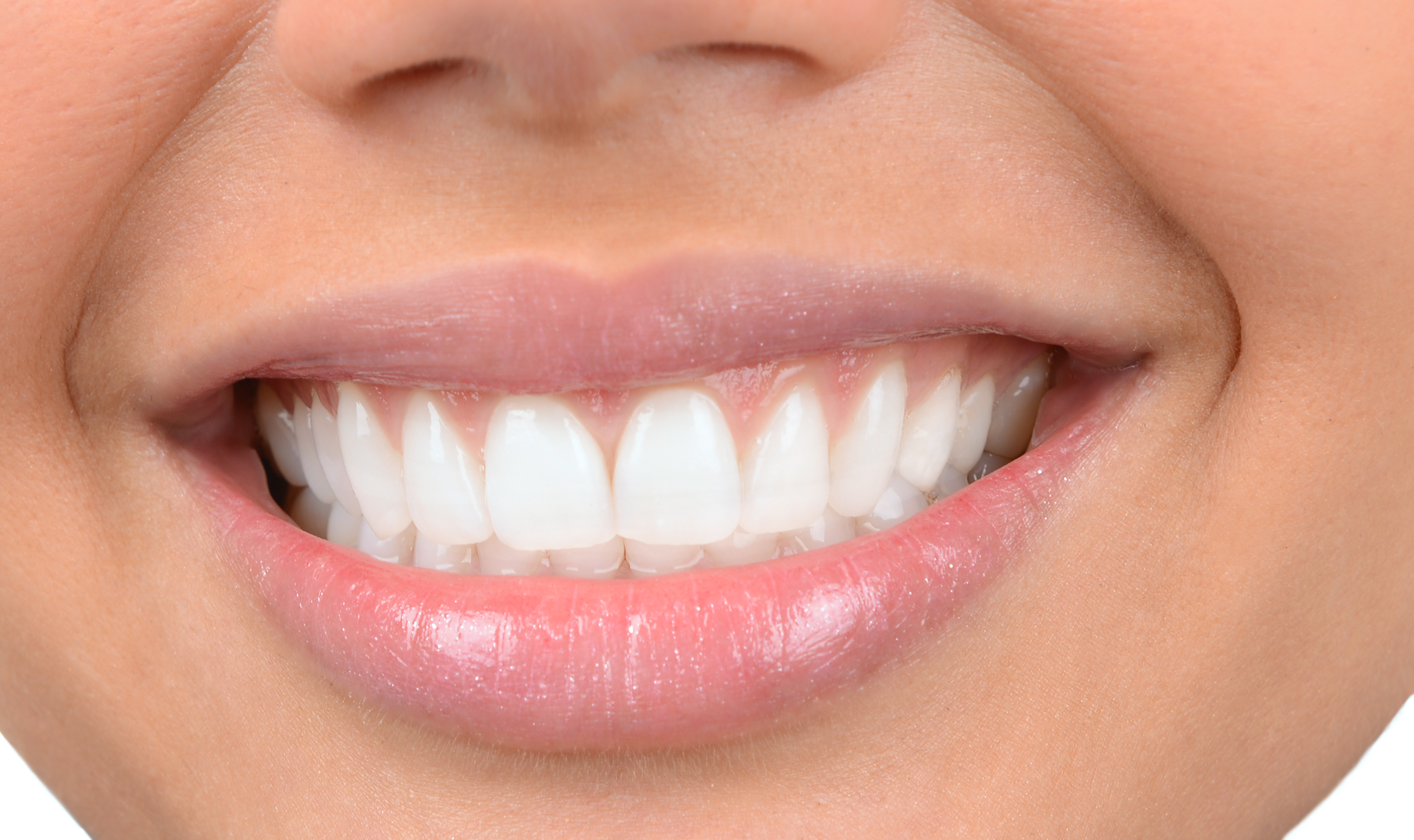
Probiotics: A Natural Way to Keep Your Teeth and Gums Healthy
Maintaining optimal oral health is crucial for overall well-being. While traditional dental hygiene practices, such as brushing and flossing, remain paramount, emerging research highlights the significant role of probiotics in promoting oral health. This article explores the burgeoning field of probiotic dentistry, examining the mechanisms by which these beneficial bacteria contribute to healthy teeth and gums, and discussing the potential applications and limitations of probiotic therapies in preventing and treating oral diseases.
Understanding the Oral Microbiome and its Dysbiosis
The human mouth harbors a complex and dynamic ecosystem known as the oral microbiome, a diverse community of microorganisms including bacteria, fungi, viruses, and archaea. This microbial community plays a crucial role in maintaining oral health. A balanced microbiome, characterized by a diverse population of beneficial bacteria, contributes to the prevention of oral diseases. However, imbalances, termed dysbiosis, can lead to the overgrowth of pathogenic bacteria, resulting in various oral pathologies.
The Role of Pathogenic Bacteria in Oral Diseases
Specific bacterial species, such as Streptococcus mutans and Porphyromonas gingivalis, are strongly implicated in the development of dental caries (cavities) and periodontal disease (gum disease), respectively. S. mutans produces lactic acid from dietary sugars, leading to enamel demineralization and the formation of cavities. P. gingivalis, a major periodontal pathogen, contributes to inflammation and tissue destruction, resulting in gingivitis and periodontitis.
Restoring Microbial Balance Through Probiotics
Probiotics, defined as live microorganisms that confer a health benefit on the host when administered in adequate amounts, offer a potential avenue for restoring microbial balance in the oral cavity. By introducing beneficial bacteria into the oral environment, probiotics can help to suppress the growth of pathogenic bacteria, modulate the immune response, and enhance the overall health of the oral microbiome.
Mechanisms of Action of Probiotics in Oral Health
The beneficial effects of probiotics on oral health are mediated through several mechanisms:
Competitive Exclusion and Inhibition of Pathogens
Probiotics compete with pathogenic bacteria for nutrients and binding sites on the tooth surface and gingival tissues. This competitive exclusion prevents the colonization and proliferation of harmful bacteria. Some probiotic strains produce antimicrobial substances, such as bacteriocins, which directly inhibit the growth of specific pathogenic bacteria.
Modulation of the Immune Response
Probiotics can modulate the host's immune response, reducing inflammation and promoting tissue repair. They interact with immune cells, such as macrophages and dendritic cells, influencing the production of cytokines and other inflammatory mediators. This immunomodulatory effect is crucial in preventing and managing periodontal diseases.
Enhancing Salivary Factors
Saliva plays a critical role in maintaining oral health. Probiotics can influence the composition and activity of saliva, enhancing its protective properties. This may involve increasing the levels of antimicrobial peptides and promoting the production of antibodies.
Improvement of Enamel Integrity
Some probiotic strains have been shown to enhance enamel remineralization, reducing the risk of caries formation. They may produce substances that promote the deposition of calcium and phosphate ions onto the tooth surface, strengthening the enamel structure.
Probiotic Strains with Oral Health Benefits
Several probiotic strains have demonstrated promising results in improving oral health. These include:
- Lactobacillus reuteri: This strain exhibits strong antimicrobial activity against several oral pathogens, including S. mutans.
- Lactobacillus salivarius: This strain has demonstrated the ability to reduce plaque accumulation and gingivitis.
- Weissella cibaria: This strain has shown potential in reducing the severity of periodontal disease.
- Streptococcus salivarius: This commensal bacterium has demonstrated anti-caries effects and immune-modulation capabilities.
It is important to note that the efficacy of different probiotic strains can vary depending on the specific strain, the dosage, and the individual's oral microbiome.
Delivery Systems for Oral Probiotics
Effective delivery of probiotics to the oral cavity is crucial for maximizing their therapeutic benefits. Various delivery systems are being investigated, including:
- Mouthwashes: Probiotic mouthwashes provide a convenient and easy-to-use method for delivering probiotics directly to the oral cavity.
- Lozenges and Tablets: These formulations allow for sustained release of probiotics in the mouth, prolonging their interaction with the oral microbiome.
- Gels and Pastes: These formulations can adhere to the tooth surface and gingival tissues, increasing the residence time of probiotics.
- Chewing Gums: Probiotic chewing gums can be a palatable and accessible way to deliver probiotics to the oral cavity.
Clinical Evidence and Future Directions
While promising preclinical and in vitro studies have demonstrated the potential benefits of probiotics in oral health, more robust clinical trials are needed to establish their efficacy and safety in human populations. Several clinical trials are currently underway, evaluating the effectiveness of different probiotic strains and delivery systems in preventing and treating various oral diseases. Future research should focus on identifying the optimal probiotic strains and delivery methods for different oral conditions, as well as exploring the interactions between probiotics and other therapeutic interventions.
Furthermore, personalized probiotic therapies, tailored to an individual's unique oral microbiome composition, may become a reality in the future. Advances in metagenomics and other "omics" technologies will allow for the development of targeted probiotic interventions, maximizing their effectiveness and minimizing potential adverse effects.
Conclusion
Probiotics offer a promising natural approach to enhancing oral health. By modulating the oral microbiome, enhancing immune responses, and inhibiting pathogenic bacteria, probiotics can contribute to the prevention and treatment of various oral diseases. While further clinical research is needed to fully elucidate their potential, the evidence to date suggests that probiotics may play a significant role in the future of oral healthcare, offering a complementary strategy to traditional dental hygiene practices for maintaining healthy teeth and gums.

0 comments:
Post a Comment
Note: Only a member of this blog may post a comment.