Monday, January 27, 2025
How Omega-3 Fatty Acids Benefit Your Oral Health
Omega-3 Fatty Acids: Your Mouth's Secret Weapon
Hey everyone! Let's talk about something super important, but often overlooked: the connection between what we eat and the health of our mouths. We all know brushing and flossing are crucial, but did you know that the foods we consume play a HUGE role in keeping our gums happy and our teeth strong? Today, we're diving deep into the world of omega-3 fatty acids and how they can be a game-changer for your oral health. Get comfy, grab a glass of water (preferably with some lemon â€" good for your teeth!), and let's get started!What are Omega-3s, Anyway?
Omega-3 fatty acids are a type of polyunsaturated fat â€" basically, a good kind of fat! They're essential, meaning our bodies can't produce them on their own, so we need to get them from our diet. There are three main types: ALA, EPA, and DHA. ALA is found in plant-based sources like flaxseed and chia seeds, while EPA and DHA are primarily found in fatty fish like salmon, mackerel, and tuna. These last two are the ones often touted for their impressive health benefits, including those related to oral health.
How Do Omega-3s Help My Mouth?
Think of omega-3s as tiny superheroes fighting for the health of your gums and teeth. They work in several amazing ways:
Reducing Inflammation
Inflammation is at the root of many oral health problems, like gingivitis (gum inflammation) and periodontitis (a more serious gum disease). Omega-3s possess powerful anti-inflammatory properties. They help reduce the body's inflammatory response, calming down irritated gums and potentially preventing the progression of gum disease. Think of it like soothing a sunburn â€" omega-3s provide that same kind of relief for inflamed gums.
Fighting Bacteria
Our mouths are home to a complex ecosystem of bacteria, some good and some bad. An overgrowth of bad bacteria can lead to plaque buildup, cavities, and gum disease. Studies suggest that omega-3s can help inhibit the growth of certain harmful bacteria in the mouth, contributing to a healthier oral environment. They don't just soothe inflammation; they actively combat some of the culprits behind oral problems.
Improving Immune Function
A strong immune system is essential for fighting off infection, and that includes infections in your mouth. Omega-3s are known to boost immune function, making your body better equipped to defend against oral bacteria and prevent infections. Think of it as adding extra troops to your body's defense force against those sneaky bacteria!
Protecting Against Dry Mouth
Dry mouth (xerostomia) can be a real pain, making you more susceptible to cavities and infections. While the exact mechanism isn't fully understood, some research suggests that omega-3s may help improve salivary flow, counteracting the effects of dry mouth and promoting a healthier oral environment.
How Can I Get More Omega-3s?
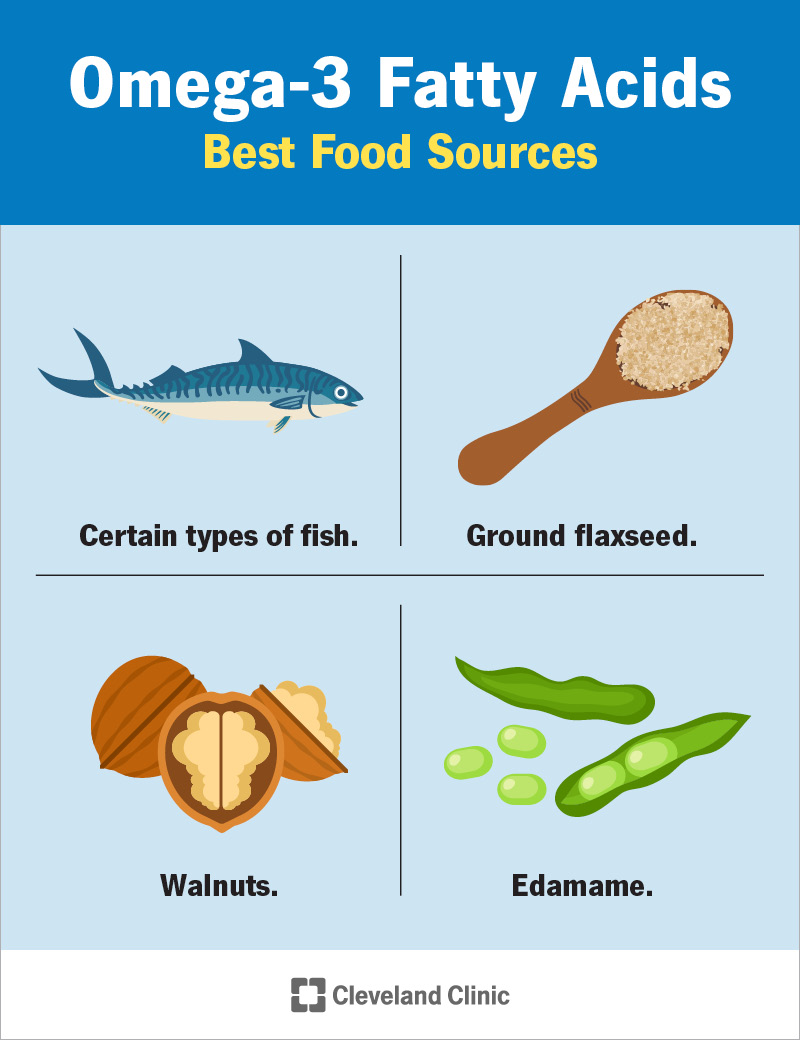
The best way to reap the benefits of omega-3s is by incorporating them into your diet! Here are some tasty and easy ways:
- Fatty fish: Salmon, mackerel, tuna, sardines â€" aim for at least two servings per week.
- Flaxseeds: Add them to your yogurt, smoothies, or salads.
- Chia seeds: Sprinkle them on your oatmeal or cereal.
- Walnuts: Enjoy them as a snack or add them to your baked goods.
- Omega-3 supplements: If you find it difficult to get enough omega-3s from your diet, talk to your doctor or dentist about supplements.
Remember, a balanced diet rich in fruits, vegetables, and whole grains is crucial for overall health, including oral health. Omega-3s are just one piece of the puzzle!
Important Note: Consult Your Doctor or Dentist
While omega-3s offer many benefits, they're not a magic bullet. It's always best to consult with your doctor or dentist before making significant changes to your diet, especially if you have any underlying health conditions or are taking medications. They can help you determine the right amount of omega-3s for your individual needs and ensure that they won't interact negatively with any other treatments you're undergoing.
Beyond Omega-3s: Maintaining Optimal Oral Health
Omega-3s are a great addition to your oral health routine, but they shouldn't replace good oral hygiene practices. Remember to:
- Brush your teeth twice a day with fluoride toothpaste.
- Floss daily to remove plaque and food particles from between your teeth.
- Visit your dentist regularly for checkups and cleanings.
- Maintain a healthy diet and lifestyle.
Frequently Asked Questions
Q: Will omega-3s cure gum disease?
A: While omega-3s can significantly reduce inflammation and help manage gum disease, they are not a cure. They work best in conjunction with professional dental care and good oral hygiene practices.
Q: Are there any side effects of taking omega-3 supplements?
A: Some people may experience side effects like nausea, diarrhea, or heartburn when taking omega-3 supplements. It's best to start with a low dose and gradually increase it as needed. Always consult your doctor before starting any new supplement.
Q: How long does it take to see results?
A: The time it takes to see improvements in your oral health can vary depending on your individual circumstances and the severity of any existing conditions. However, many people report noticing positive changes within a few weeks of incorporating omega-3s into their diet or supplement routine.
Q: Can I get too much omega-3?
A: While unlikely from dietary sources, consuming excessive amounts of omega-3 supplements can lead to side effects. It’s important to follow the recommended dosage on the supplement label and consult your doctor or dentist for personalized advice.
Q: Are all omega-3 supplements created equal?
A: No, not all omega-3 supplements are created equal. Look for supplements that are third-party tested and provide information on the concentration of EPA and DHA. Discuss your options with your doctor or a registered dietitian.
I hope this information has been helpful! Remember, a healthy mouth is a happy mouth, and incorporating omega-3s into your diet can be a significant step towards achieving optimal oral health. As always, consult your dentist or doctor with any concerns or before starting any new dietary regime. Happy brushing (and eating!)

0 comments:
Post a Comment
Note: Only a member of this blog may post a comment.