Monday, January 27, 2025
How Oral Health Supplements Help Prevent Gum Inflammation and Gingivitis
Unlocking the Secrets to Healthy Gums: How Oral Health Supplements Can Help
Hey everyone! Let's talk about something super important, but often overlooked: gum health. We all know brushing and flossing are crucial, but did you know that adding some targeted oral health supplements to your routine can seriously level up your gum game and help prevent those pesky gum inflammation and gingivitis issues? I'm diving deep into how these supplements work their magic and what you should look for.Understanding Gum Inflammation and Gingivitis
Before we jump into supplements, let's quickly cover the basics. Gum inflammation, or gingivitis, is the early stage of gum disease. It's essentially your gums' way of saying, "Hey! Something's not right here!" This "something" is usually plaque, that sticky film of bacteria that forms constantly on your teeth. If plaque isn't removed through regular brushing and flossing, it can irritate your gums, causing them to become red, swollen, and bleed easily. Left untreated, gingivitis can progress to periodontitis, a much more serious condition that can lead to tooth loss.The Role of Oral Health Supplements
Oral health supplements aren't a replacement for good oral hygiene, but they can be powerful allies in your fight for healthy gums. They work in a variety of ways, often targeting the root causes of gum inflammation:Targeting Bacteria
Many supplements contain ingredients known for their antibacterial properties. These ingredients help to disrupt the growth and activity of the bacteria that contribute to plaque formation and gum inflammation. Think of them as your gums' tiny, microscopic bodyguards!Boosting the Immune System
Your immune system plays a crucial role in fighting off infection, including the bacterial infections that cause gum disease. Some supplements, rich in antioxidants and vitamins, can help strengthen your immune response, making your body more efficient at tackling those pesky bacteria. This means your gums are better equipped to defend themselves.Reducing Inflammation
Inflammation is at the heart of gum disease. Certain supplements contain anti-inflammatory compounds that can help reduce swelling, redness, and bleeding gums. This helps to alleviate the discomfort associated with gingivitis and can even help prevent the progression to more serious gum disease.Improving Gum Tissue Health
Some supplements are formulated to promote the overall health and integrity of your gum tissue. These often include ingredients that support collagen production, which is essential for healthy, strong gums. Think of collagen as the building block for resilient and resistant gum tissue. Stronger gums are less susceptible to inflammation and damage.Key Ingredients to Look For
Now, let's talk about the "stars" of the showâ€"the specific ingredients you should look for in your oral health supplements. Remember to always consult your dentist or doctor before starting any new supplement regimen.- Vitamin C: A powerful antioxidant that supports immune function and collagen production, both crucial for healthy gums.
- Vitamin D: Emerging research suggests a link between vitamin D deficiency and periodontal disease. Supplementing may improve your body's ability to fight off infection.
- Vitamin K2: Helps regulate calcium metabolism, potentially promoting healthy bone and gum tissue.
- Coenzyme Q10 (CoQ10): A powerful antioxidant that helps reduce inflammation and protect cells from damage.
- Bioflavonoids: These compounds have potent antioxidant and anti-inflammatory properties, benefiting gum health.
- Xylitol: A natural sweetener that inhibits the growth of harmful bacteria in the mouth, reducing plaque formation.
- Probiotics: Beneficial bacteria that can help balance the oral microbiome, reducing the levels of harmful bacteria associated with gum disease.
Choosing the Right Supplement: Things to Consider
The market is flooded with oral health supplements, so knowing what to look for is essential. Here are some tips:- Look for reputable brands: Choose supplements from established companies with a history of quality and transparency.
- Check the ingredient list: Ensure the supplement contains the ingredients you're looking for in effective dosages.
- Read reviews: See what other users have to say about their experience with the supplement.
- Talk to your dentist or doctor: Get their professional opinion on whether a particular supplement is right for you, especially if you have any underlying health conditions.
Beyond Supplements: A Holistic Approach to Gum Health
Remember, supplements are just one piece of the puzzle. Maintaining optimal gum health requires a holistic approach:- Regular brushing and flossing: The cornerstone of good oral hygiene. Aim for twice daily brushing and flossing.
- Healthy diet: Nourishing your body from the inside out is vital for overall health, including gum health.
- Regular dental checkups: Preventative care is key to catching and treating gum problems early.
- Stress management: Chronic stress can negatively impact your immune system, making you more susceptible to gum disease.
Commonly Asked Questions
Q: Will supplements completely cure gum disease? A: No, supplements are not a cure for gum disease. They are best used as a preventative measure and to support existing treatment plans. If you have existing gum disease, you need to see a dentist for professional treatment. Q: How long does it take to see results from oral health supplements? A: It varies depending on the individual and the supplement. You might see some improvements in gum health within a few weeks, but for more significant changes, it may take several months of consistent use. Q: Are there any side effects associated with oral health supplements? A: Most supplements are generally safe, but some individuals may experience mild side effects like upset stomach or allergic reactions. Always start with a low dose and consult your doctor if you experience any problems. Q: Can I take oral health supplements if I'm pregnant or breastfeeding? A: It's best to consult your doctor before taking any supplements during pregnancy or breastfeeding. Some ingredients may not be suitable during these periods. Q: How much should I spend on oral health supplements? A: Prices vary widely depending on the brand and ingredients. Look for high-quality products at a price you can comfortably afford. Don't necessarily assume that the most expensive option is the best. Remember, healthy gums are a sign of overall well-being! By combining good oral hygiene practices with the right oral health supplements, you can give your gums the support they need to stay healthy and happy. Always consult with your dentist or doctor before starting any new supplement regimen. They can help you determine the best course of action based on your individual needs and health history.
How to Treat Gum Infection and Keep Your Smile Healthy

How to Treat Gum Infection and Keep Your Smile Healthy
Hey there! Let's talk about something nobody really *wants* to talk about, but that's super important: gum disease, or gingivitis. It's way more common than you think, and left untreated, it can lead to some serious problems. But the good news is, with the right approach, you can totally beat it and keep your pearly whites sparkling for years to come.Understanding Gum Disease: What's Going On In There?
Basically, gum disease is an infection of the gums caused by a buildup of plaque â€" that sticky film of bacteria that constantly forms on your teeth. If you don't remove plaque regularly through brushing and flossing, it hardens into tartar (calculus), which your toothbrush can't reach. This tartar irritates your gums, leading to inflammation, redness, swelling, and sometimes even bleeding.
Think of it like this: Your gums are the foundation of your teeth. If the foundation is weak and infected, your whole structure (your smile!) is at risk. Ignoring gum disease can lead to more serious problems like periodontitis, where the infection spreads to the bone and tissues supporting your teeth. That can eventually lead to tooth loss â€" yikes!
The Stages of Gum Disease
Gum disease progresses in stages. Early stages are often reversible, but more advanced stages need professional intervention.
- Gingivitis: This is the initial stage, characterized by red, swollen, and bleeding gums. It's often painless but a clear sign that plaque is causing inflammation.
- Periodontitis: This is a more severe stage where the infection has progressed beyond the gums and started damaging the bone and tissues supporting your teeth. Symptoms can include persistent bad breath, loose teeth, and gum recession (gums pulling away from the teeth).
- Advanced Periodontitis: This is the most severe stage, potentially leading to significant tooth loss and other systemic health issues.
Tackling Gum Infection: Treatment and Prevention
The good news is that gum disease is often preventable and treatable, especially in its early stages. Here's the breakdown:
At-Home Care: Your First Line of Defense
The most crucial part of preventing and treating gum disease is good oral hygiene at home. This means:
- Brushing: Brush your teeth twice a day for at least two minutes each time, using a fluoride toothpaste. Make sure to reach all surfaces of your teeth, including the gum line.
- Flossing: Floss at least once a day to remove plaque and food particles from between your teeth and along the gum line. This is where your toothbrush can't reach!
- Mouthwash: A therapeutic mouthwash, especially one recommended by your dentist, can help kill bacteria and reduce inflammation.
- Diet: A healthy diet low in sugar and processed foods is crucial. These contribute to bacterial growth.
Professional Dental Care: When to See the Dentist
Even with the best at-home care, regular dental checkups are essential. Your dentist can:
- Detect gum disease early: They can spot signs of gum disease before you even notice them.
- Professional cleaning: They'll remove tartar buildup that you can't remove yourself. This is crucial for preventing and treating gingivitis.
- Provide specific treatment: Depending on the severity of your gum disease, your dentist may recommend scaling and root planing (deep cleaning), antibiotics, or even surgery in more advanced cases.
Beyond the Basics: Additional Tips for Gum Health
Here are a few extra things you can do to boost your gum health:
- Quit smoking: Smoking significantly increases your risk of gum disease and slows down healing. It also reduces blood flow to the gums, making them more vulnerable to infection.
- Manage stress: Stress can weaken your immune system, making you more susceptible to infections, including gum disease.
- Choose the right toothbrush: Opt for a soft-bristled toothbrush to avoid damaging your gums.
- Consider an electric toothbrush: These can often do a more thorough job of cleaning your teeth than manual brushes.
- Stay hydrated: Drinking plenty of water helps wash away food particles and bacteria.
Living with Gum Disease: Long-Term Management
If you've been diagnosed with gum disease, ongoing care is key. This often involves regular dental checkups and cleanings, along with meticulous at-home oral hygiene. Your dentist might also recommend specific treatments and strategies tailored to your situation. The good news is that with consistent effort, you can manage gum disease and prevent further damage.
Remember, taking care of your gums isn’t just about having a pretty smile; it's about protecting your overall health. Gum disease has been linked to other serious conditions, including heart disease and diabetes. So, prioritizing your gum health is a smart move for your entire well-being.
Frequently Asked Questions
Here are some commonly asked questions about gum disease:
Q: Does gum disease hurt?
A: In the early stages (gingivitis), gum disease often doesn't hurt. You might notice bleeding gums when you brush or floss, or your gums might be red and swollen. However, in more advanced stages (periodontitis), it can become painful, with potential toothaches and sensitivity to hot and cold.
Q: Can gum disease be reversed?
A: In the early stages (gingivitis), gum disease is often completely reversible with good oral hygiene and professional cleaning. However, once it progresses to periodontitis, the damage becomes more permanent, though further progression can often be halted and managed effectively.
Q: How often should I see a dentist?
A: Most dentists recommend visiting for checkups and cleanings every six months, or more often if needed.
Q: What are the long-term consequences of untreated gum disease?
A: Untreated gum disease can lead to tooth loss, bone loss, and other systemic health problems like heart disease and diabetes.
Q: What are the signs of gum disease?
A: Signs include red, swollen, or bleeding gums, persistent bad breath, loose teeth, gum recession, and pus around the teeth. If you notice any of these, see your dentist immediately.
Remember, prevention is key! By following these tips and maintaining a consistent oral hygiene routine, you can keep your gums healthy and your smile bright. Don't hesitate to ask your dentist any questions you may have. They're your best resource for maintaining a healthy mouth!
Using Probiotics for Gum Inflammation Relief and Better Oral Hygiene

Harnessing the Power of Probiotics for Gum Health
Gum inflammation, or gingivitis, affects millions, often leading to more serious conditions like periodontitis. While traditional methods like brushing and flossing are crucial, emerging research highlights the potential of probiotics to significantly enhance oral hygiene and combat gum inflammation. This article delves into the fascinating world of probiotics and their role in promoting healthier gums and a brighter smile.
Understanding the Oral Microbiome and its Impact on Gum Health
Your mouth is home to a complex ecosystem of bacteria, viruses, fungi, and other microorganisms â€" collectively known as the oral microbiome. A balanced microbiome is key to healthy gums. However, an imbalance, often triggered by poor oral hygiene or other factors, can lead to an overgrowth of harmful bacteria. These harmful bacteria produce inflammatory compounds that irritate the gums, causing redness, swelling, bleeding, and ultimately, gingivitis. Probiotics, essentially beneficial bacteria, can help restore this balance, tipping the scales in favor of healthy oral flora.
How Probiotics Fight Gum Inflammation
Probiotics work through several mechanisms to combat gum inflammation. They directly compete with harmful bacteria for space and nutrients, preventing their overgrowth. This competition for resources weakens the harmful bacteria's ability to colonize the gums and produce inflammatory agents. Furthermore, certain probiotics produce antimicrobial substances, directly killing or inhibiting the growth of harmful bacteria. Some studies also suggest that probiotics may modulate the immune response, reducing inflammation and promoting gum tissue healing.
Specific Probiotic Strains for Oral Health
Not all probiotics are created equal. Research suggests certain strains are particularly effective for oral health. These include:
- Lactobacillus reuteri: This strain has demonstrated promising results in reducing gingival inflammation and improving periodontal parameters.
- Lactobacillus salivarius: Studies show this probiotic can inhibit the growth of Porphyromonas gingivalis, a key bacteria implicated in gum disease.
- Weissella cibaria: This strain exhibits antimicrobial activity against several periodontal pathogens.
It's crucial to note that the effectiveness of a probiotic strain can vary depending on individual factors. Consulting with a dentist or healthcare professional before incorporating probiotics into your oral hygiene routine is advisable.
Incorporating Probiotics into Your Oral Hygiene Routine
Probiotics for oral health come in various forms, including probiotic mouthwashes, chewing gums, and even toothpaste. These products often contain specific strains known for their beneficial effects on the oral microbiome. However, it’s important to remember that probiotics are a supplement to â€" not a replacement for â€" good oral hygiene practices. Continue to brush and floss regularly, and schedule regular dental checkups. Using probiotics in conjunction with traditional methods creates a powerful synergistic approach to optimal gum health.
The Future of Probiotics in Oral Care
The field of probiotic oral care is constantly evolving. Researchers continue to explore new strains and delivery methods, aiming to enhance the efficacy and convenience of probiotic therapies. The future likely holds more targeted and personalized probiotic approaches, tailored to individual oral microbiome profiles for maximum impact. While more research is needed, the current evidence strongly suggests that probiotics hold significant promise for improving gum health and preventing periodontal diseases.
Probiotics: A Natural Way to Keep Your Teeth and Gums Healthy
Probiotics: A Natural Way to Keep Your Teeth and Gums Healthy
Maintaining optimal oral health is crucial for overall well-being. While traditional dental hygiene practices, such as brushing and flossing, remain paramount, emerging research highlights the significant role of probiotics in promoting oral health. This article explores the burgeoning field of probiotic dentistry, examining the mechanisms by which these beneficial bacteria contribute to healthy teeth and gums, and discussing the potential applications and limitations of probiotic therapies in preventing and treating oral diseases.
Understanding the Oral Microbiome and its Dysbiosis
The human mouth harbors a complex and dynamic ecosystem known as the oral microbiome, a diverse community of microorganisms including bacteria, fungi, viruses, and archaea. This microbial community plays a crucial role in maintaining oral health. A balanced microbiome, characterized by a diverse population of beneficial bacteria, contributes to the prevention of oral diseases. However, imbalances, termed dysbiosis, can lead to the overgrowth of pathogenic bacteria, resulting in various oral pathologies.
The Role of Pathogenic Bacteria in Oral Diseases
Specific bacterial species, such as Streptococcus mutans and Porphyromonas gingivalis, are strongly implicated in the development of dental caries (cavities) and periodontal disease (gum disease), respectively. S. mutans produces lactic acid from dietary sugars, leading to enamel demineralization and the formation of cavities. P. gingivalis, a major periodontal pathogen, contributes to inflammation and tissue destruction, resulting in gingivitis and periodontitis.
Restoring Microbial Balance Through Probiotics
Probiotics, defined as live microorganisms that confer a health benefit on the host when administered in adequate amounts, offer a potential avenue for restoring microbial balance in the oral cavity. By introducing beneficial bacteria into the oral environment, probiotics can help to suppress the growth of pathogenic bacteria, modulate the immune response, and enhance the overall health of the oral microbiome.
Mechanisms of Action of Probiotics in Oral Health
The beneficial effects of probiotics on oral health are mediated through several mechanisms:
Competitive Exclusion and Inhibition of Pathogens
Probiotics compete with pathogenic bacteria for nutrients and binding sites on the tooth surface and gingival tissues. This competitive exclusion prevents the colonization and proliferation of harmful bacteria. Some probiotic strains produce antimicrobial substances, such as bacteriocins, which directly inhibit the growth of specific pathogenic bacteria.
Modulation of the Immune Response
Probiotics can modulate the host's immune response, reducing inflammation and promoting tissue repair. They interact with immune cells, such as macrophages and dendritic cells, influencing the production of cytokines and other inflammatory mediators. This immunomodulatory effect is crucial in preventing and managing periodontal diseases.
Enhancing Salivary Factors
Saliva plays a critical role in maintaining oral health. Probiotics can influence the composition and activity of saliva, enhancing its protective properties. This may involve increasing the levels of antimicrobial peptides and promoting the production of antibodies.
Improvement of Enamel Integrity
Some probiotic strains have been shown to enhance enamel remineralization, reducing the risk of caries formation. They may produce substances that promote the deposition of calcium and phosphate ions onto the tooth surface, strengthening the enamel structure.
Probiotic Strains with Oral Health Benefits
Several probiotic strains have demonstrated promising results in improving oral health. These include:
- Lactobacillus reuteri: This strain exhibits strong antimicrobial activity against several oral pathogens, including S. mutans.
- Lactobacillus salivarius: This strain has demonstrated the ability to reduce plaque accumulation and gingivitis.
- Weissella cibaria: This strain has shown potential in reducing the severity of periodontal disease.
- Streptococcus salivarius: This commensal bacterium has demonstrated anti-caries effects and immune-modulation capabilities.
It is important to note that the efficacy of different probiotic strains can vary depending on the specific strain, the dosage, and the individual's oral microbiome.
Delivery Systems for Oral Probiotics
Effective delivery of probiotics to the oral cavity is crucial for maximizing their therapeutic benefits. Various delivery systems are being investigated, including:
- Mouthwashes: Probiotic mouthwashes provide a convenient and easy-to-use method for delivering probiotics directly to the oral cavity.
- Lozenges and Tablets: These formulations allow for sustained release of probiotics in the mouth, prolonging their interaction with the oral microbiome.
- Gels and Pastes: These formulations can adhere to the tooth surface and gingival tissues, increasing the residence time of probiotics.
- Chewing Gums: Probiotic chewing gums can be a palatable and accessible way to deliver probiotics to the oral cavity.
Clinical Evidence and Future Directions
While promising preclinical and in vitro studies have demonstrated the potential benefits of probiotics in oral health, more robust clinical trials are needed to establish their efficacy and safety in human populations. Several clinical trials are currently underway, evaluating the effectiveness of different probiotic strains and delivery systems in preventing and treating various oral diseases. Future research should focus on identifying the optimal probiotic strains and delivery methods for different oral conditions, as well as exploring the interactions between probiotics and other therapeutic interventions.
Furthermore, personalized probiotic therapies, tailored to an individual's unique oral microbiome composition, may become a reality in the future. Advances in metagenomics and other "omics" technologies will allow for the development of targeted probiotic interventions, maximizing their effectiveness and minimizing potential adverse effects.
Conclusion
Probiotics offer a promising natural approach to enhancing oral health. By modulating the oral microbiome, enhancing immune responses, and inhibiting pathogenic bacteria, probiotics can contribute to the prevention and treatment of various oral diseases. While further clinical research is needed to fully elucidate their potential, the evidence to date suggests that probiotics may play a significant role in the future of oral healthcare, offering a complementary strategy to traditional dental hygiene practices for maintaining healthy teeth and gums.
Sunday, November 24, 2024
How to Relieve Gum Pain and Sensitivity with Warm Saltwater Rinses
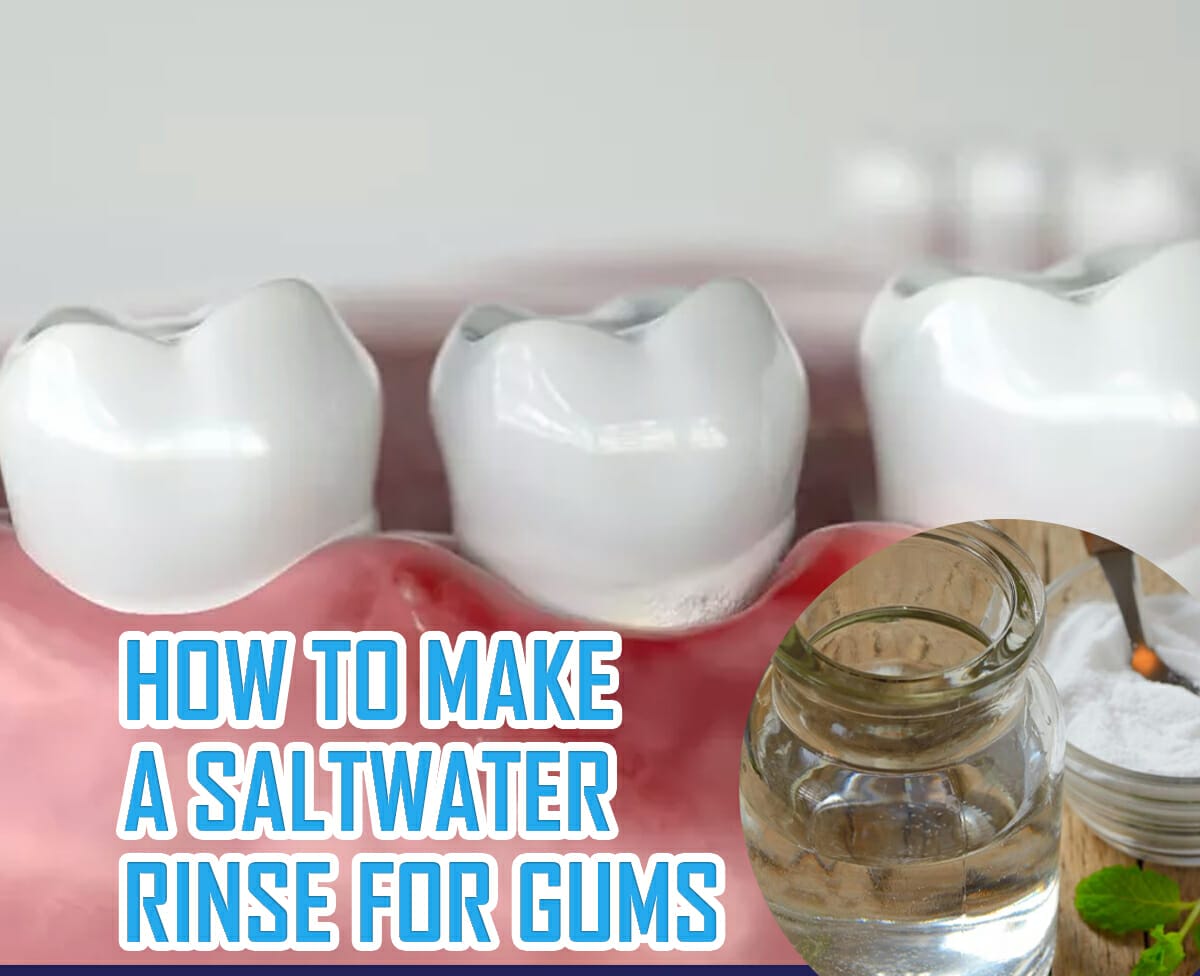
Soothe Those Sore Gums: The Magic of Warm Saltwater Rinses
Okay, let's talk about gum pain. That throbbing, aching feeling? Ugh, nobody wants it. Whether it's from gingivitis, a minor irritation, or something more serious, sensitive gums can really put a damper on your day (and your appetite!). But before you reach for the over-the-counter pain relievers, let's explore a simple, natural, and often surprisingly effective remedy: the humble warm saltwater rinse.
I know what you're thinking: "Saltwater? Really?" Hear me out! This isn't just some old wives' tale. Warm saltwater rinses have been used for centuries to soothe irritated gums and provide temporary relief from pain. It's a gentle yet powerful way to tackle the problem at its source.
Why Does Saltwater Work?
The magic lies in the salt's properties. Saltwater acts as a natural antiseptic, meaning it helps kill off harmful bacteria that can contribute to gum inflammation and infection. Think of it as a tiny, natural army fighting off the bad guys in your mouth. This is especially helpful if you've got gingivitis (inflammation of the gums), a common early sign of gum disease.
Beyond its antibacterial powers, saltwater also helps to:
- Reduce inflammation: The salt helps to draw out excess fluid from the inflamed gum tissue, reducing swelling and discomfort.
- Rinse away food particles and debris: Food stuck between your teeth can irritate your gums. Saltwater helps flush this away, preventing further irritation.
- Promote healing: The gentle cleansing action of the saltwater can help create a cleaner environment for your gums to heal.
And the warmth? It's not just for comfort. Warm water helps to increase blood flow to the affected area, promoting healing and reducing pain. It's like giving your gums a warm hug!
How to Make and Use a Warm Saltwater Rinse
Making a saltwater rinse is incredibly easy. Seriously, you probably already have everything you need in your kitchen!
What You'll Need:
- A cup of warm water (not hot!) â€" aim for comfortably warm, like the temperature of a baby's bath.
- ½ to ¾ teaspoon of salt (non-iodized is best, as iodized salt can sometimes sting sensitive gums).
- A clean cup or container
Instructions:
- Dissolve the salt in the warm water. Stir until it's completely dissolved. You want a solution that’s not gritty.
- Take a mouthful of the saltwater rinse.
- Swish it around your mouth for at least 30 seconds to a minute, making sure to reach all areas of your mouth, including between your teeth and along your gum line.
- Spit the saltwater into the sink. Do not swallow it!
- Repeat steps 2-4 two to three times a day, or as needed for relief.
Remember to be gentle. If you're experiencing significant pain, you might want to rinse less vigorously to avoid further irritating your gums.
When to Use Warm Saltwater Rinses
Warm saltwater rinses are a great first-line defense against many common gum issues, including:
- Gingivitis: As mentioned earlier, saltwater's antibacterial properties can help fight the bacteria that cause gum inflammation.
- Minor gum irritation: If you’ve accidentally bitten your gum or have some minor irritation from braces or other dental appliances, a saltwater rinse can help soothe the area.
- After dental procedures: Your dentist might recommend a saltwater rinse to help keep the area clean and promote healing after procedures like extractions or surgery.
- Mouth sores: While it won’t cure canker sores or other mouth sores, a saltwater rinse can help keep them clean and reduce discomfort.
Important Considerations
While warm saltwater rinses are generally safe and effective for temporary relief, it's important to remember a few things:
- It’s not a cure-all: Saltwater rinses provide temporary relief from pain and inflammation. They don't treat the underlying cause of gum problems. If your gum pain persists or worsens, or if you notice bleeding gums, swelling, or pus, see your dentist immediately. This could be a sign of a more serious issue like periodontitis (gum disease).
- Don't overdo it: While rinsing several times a day can be beneficial, excessively rinsing can dry out your mouth and potentially irritate your gums further. Find a balance that works for you.
- Consult your dentist: Before using saltwater rinses, especially if you have any existing medical conditions or are taking medication, it's always a good idea to check with your dentist. They can advise you on the best course of action for your specific situation.
- Proper oral hygiene is key: Saltwater rinses are a helpful supplementary treatment, but they're not a replacement for good oral hygiene. Continue to brush and floss regularly to maintain healthy gums and teeth.
Commonly Asked Questions
Let's address some common questions about using warm saltwater rinses for gum pain:
Q: Can I use table salt?
A: Yes, you can use table salt, but non-iodized salt is generally preferred as iodized salt can sometimes sting sensitive gums.
Q: How long should I continue using saltwater rinses?
A: Continue using saltwater rinses until your gum pain subsides. However, if the pain persists for more than a few days or worsens, consult your dentist.
Q: Can I use hot water?
A: No, avoid using hot water as it can further irritate your gums. Warm water is best.
Q: Are there any side effects?
A: Side effects are rare but can include temporary dryness of the mouth if used excessively. If you experience any unusual side effects, stop using the rinse and consult your dentist.
Q: Can I use saltwater rinses with other treatments?
A: Yes, you can often use saltwater rinses alongside other treatments your dentist recommends, such as medicated mouthwashes or antibiotic gels. However, always ask your dentist to ensure there are no interactions.
Remember, while warm saltwater rinses can be a great way to soothe your gums and provide temporary relief, they are not a substitute for professional dental care. If you're experiencing persistent or severe gum pain, always consult your dentist for a proper diagnosis and treatment plan.
Top Probiotics for Bad Breath Prevention and Freshening Your Mouth
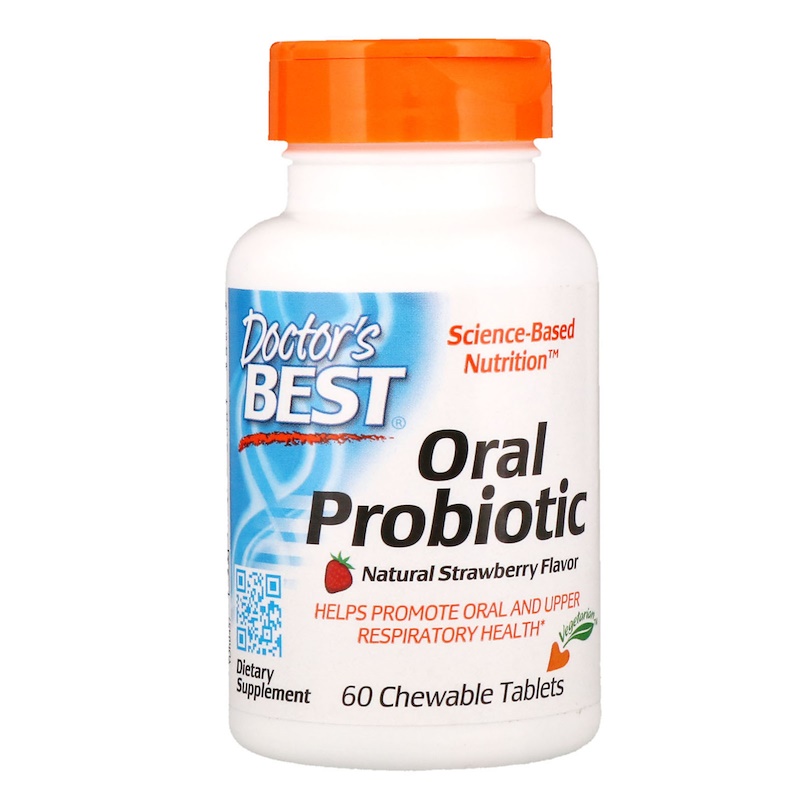
Banish Bad Breath: The Probiotic Powerhouse for a Fresher You
Hey there! Let's talk about something nobody really *loves* discussing: bad breath, or halitosis. It's embarrassing, right? But before you reach for that minty mouthwash (which, let's be honest, only masks the problem temporarily), let's explore a more natural, long-term solution: probiotics!Yes, those tiny beneficial bacteria you hear so much about for gut health can actually work wonders for your oral hygiene too. Think of it as a friendly army fighting off the bad guys in your mouth â€" the bacteria that cause that unpleasant odor.
Understanding the Root of Bad Breath
Before we dive into the probiotic heroes, let's quickly understand what causes bad breath. It's not just about what you ate for lunch (although that plays a part!). A significant contributor is the bacteria living in your mouth. These bacteria break down food particles and produce volatile sulfur compounds (VSCs), which are the culprits behind that foul smell.
Other factors contributing to bad breath include:
- Poor oral hygiene (not brushing and flossing regularly).
- Dry mouth (xerostomia).
- Certain medical conditions.
- Smoking.
- Diet (foods like garlic and onions).
While addressing these factors is crucial, incorporating probiotics can significantly boost your efforts and contribute to a healthier, fresher mouth.
Top Probiotic Players for a Breath-Refresher
Not all probiotics are created equal when it comes to tackling bad breath. Some strains are particularly effective at combating the odor-causing bacteria. Here are some of the top contenders:
1. *Lactobacillus* species
These are workhorses in the probiotic world. Several *Lactobacillus* strains have shown promise in reducing bad breath. They achieve this by competing with the bad bacteria for space and nutrients, thus reducing their population and the VSCs they produce. Look for supplements containing strains like *Lactobacillus reuteri*, *Lactobacillus rhamnosus*, and *Lactobacillus salivarius*. You might even find some specifically formulated for oral health!
2. *Streptococcus salivarius* K12
This is a star player in the oral probiotic game. Studies suggest that *S. salivarius* K12 can effectively reduce the number of volatile sulfur compounds (VSCs) responsible for bad breath. It works by inhibiting the growth of bad bacteria and even producing substances that neutralize bad breath odors. You’ll often find this strain in specific oral probiotic products.
3. *Weissella cibaria*
This probiotic is a relatively newer addition to the oral health scene, but it's gaining attention for its potential to improve oral health and reduce bad breath. It works similarly to other beneficial bacteria by outcompeting the harmful bacteria and helping to maintain a healthy balance in the oral microbiome.
Choosing the Right Probiotic Supplement
Navigating the world of probiotic supplements can be overwhelming! Here's what to look for when choosing a probiotic to combat bad breath:
- Specific strains: Look for supplements listing the specific strains mentioned above (Lactobacillus reuteri, Lactobacillus rhamnosus, Lactobacillus salivarius, Streptococcus salivarius K12, Weissella cibaria). Don't just settle for a general "multi-strain" blend without knowing what's inside.
- CFU count: CFU stands for colony-forming units, representing the number of live bacteria in the supplement. A higher CFU count generally means a more potent product. However, the optimal CFU count for oral probiotics varies, so read product labels and research individual studies for specific recommendations.
- Enteric coating: An enteric coating helps protect the probiotics from stomach acid, ensuring they reach your intestines alive. While this is primarily important for gut health, some oral probiotics may benefit from enteric coating to ensure delivery to the mouth via swallowing.
- Third-party testing: Look for supplements that have been tested by a reputable third-party lab to verify the purity and potency of the product.
- Reputation and reviews: Check online reviews and ratings to get a sense of the product's effectiveness and customer satisfaction.
Beyond Probiotics: A Holistic Approach
Probiotics are a powerful tool, but they’re not a magic bullet. To truly conquer bad breath, you need a multi-pronged approach:
- Brush and floss religiously: Twice a day, minimum. This removes food particles and plaque, preventing bacterial build-up.
- Scrape your tongue: A significant amount of bacteria resides on your tongue. Use a tongue scraper to remove them.
- Stay hydrated: Drink plenty of water throughout the day. Dry mouth is a breeding ground for bacteria.
- Consider a fluoride mouthwash: This can further reduce bacterial growth.
- Eat a healthy diet: Limit sugar and processed foods, which feed bad bacteria.
- See your dentist regularly: Regular check-ups and professional cleanings are crucial for maintaining oral health.
Commonly Asked Questions
Q: How long does it take to see results from oral probiotics?
A: It varies from person to person, but you might notice a difference in a few weeks. Consistency is key.
Q: Can I get oral probiotics from food?
A: While some foods contain probiotics, the strains and concentrations aren't always consistent or sufficient for targeted oral health benefits. Supplements provide a more reliable and controlled way to introduce beneficial bacteria to your mouth.
Q: Are there any side effects of taking oral probiotics?
A: Generally, oral probiotics are safe. However, some people might experience mild side effects such as gas or bloating, especially when starting a new supplement. If you experience any concerning side effects, discontinue use and consult your doctor.
Q: Can probiotics cure all types of bad breath?
A: No, probiotics are most effective for bad breath caused by bacterial imbalances. If your bad breath persists despite good oral hygiene and probiotic use, consult your dentist or doctor to rule out underlying medical conditions.
Q: Can I take oral probiotics alongside other medications?
A: It's always best to consult your doctor or pharmacist before starting any new supplement, especially if you're on other medications. There's a chance of interactions, although it's generally uncommon with oral probiotics.
Remember, a fresh breath is a sign of overall good health! By combining the power of probiotics with good oral hygiene practices, you can achieve a confident, fresh-smelling smile.
How to Treat Gum Sensitivity with Diet and Nutrition

Kiss Gum Sensitivity Goodbye: A Nutritional Approach
Hey there! So, you're dealing with sensitive gums? That stinging, throbbing feeling when you brush or eat something cold? Believe me, I get it. It's not fun. But the good news is, you don't have to just suffer in silence. Your diet plays a surprisingly big role in gum health, and making some smart changes can really make a difference. Let’s dive into how you can tackle that sensitivity with the power of food!Understanding Gum Sensitivity
Before we jump into the yummy stuff (food!), let's quickly chat about what causes sensitive gums in the first place. Often, it's linked to gum disease (gingivitis or periodontitis), where inflammation and receding gums expose the sensitive root surfaces of your teeth. Other culprits include aggressive brushing, teeth grinding, certain dental procedures, and even some medications. But no matter the cause, proper nutrition can help soothe those irritated gums and support your overall oral health.The Power of Diet: Foods that Fight Gum Sensitivity
Think of your diet as a support system for your gums. Just like any other part of your body, they need the right nutrients to thrive. Here’s where the fun begins â€" let’s talk about the foods that can be your gum's best friends:Vitamin C: The Inflammation Fighter
Vitamin C is a superstar when it comes to gum health. It’s a potent antioxidant, meaning it helps fight off those pesky free radicals that contribute to inflammation. Inflammation is often the root (pun intended!) of gum sensitivity. So load up on citrus fruits (oranges, lemons, grapefruits), berries, kiwi, and bell peppers â€" all excellent sources of this vital vitamin. A deficiency in Vitamin C can actually lead to scurvy, which significantly impacts gum health causing bleeding and even tooth loss.
Vitamin K: The Blood Clotting Buddy
Bleeding gums? Vitamin K is your solution. It plays a crucial role in blood clotting, so getting enough can help minimize bleeding during brushing or flossing (which, by the way, you should be doing!). Leafy green vegetables like spinach, kale, and collard greens are packed with Vitamin K. You can also find it in broccoli, Brussels sprouts, and even some cheeses.
Calcium: The Bone Builder (and Gum Protector)
We all know calcium is crucial for strong bones, but did you know it's equally important for healthy gums? Calcium helps keep your gums strong and resilient, offering some protection against inflammation and sensitivity. Dairy products (milk, yogurt, cheese) are fantastic sources. You can also get calcium from leafy greens, fortified plant milks, and some types of fish.
Vitamin D: The Absorption Assistant
While not directly acting on gums, Vitamin D helps your body absorb calcium more efficiently. This means that the calcium you consume will be better utilized for building strong, healthy gums and teeth. Get your dose of Vitamin D through sunlight exposure (in moderation!), fatty fish (salmon, tuna), egg yolks, and fortified foods.
Fiber: The Plaque Remover
Fiber isn’t just great for your digestive system; it's fantastic for your oral health too! Fiber-rich foods help to naturally scrub your teeth and gums as you chew, helping to remove plaque and food particles that can contribute to inflammation. Think whole grains, fruits, vegetables, and legumes.
Omega-3 Fatty Acids: The Inflammation Tamers
Omega-3 fatty acids have anti-inflammatory properties that can help reduce gum swelling and sensitivity. Find them in fatty fish like salmon, mackerel, and sardines, as well as flaxseeds, chia seeds, and walnuts.
Foods to Avoid or Limit
Just as certain foods are your gums' allies, others can be their enemies. Here are some food groups to be mindful of if you're battling gum sensitivity:Sugary Drinks and Snacks
Sugar is a major contributor to plaque buildup, which leads to inflammation and gum disease. Minimize your intake of sugary sodas, juices, candies, and pastries.
Acidic Foods and Drinks
Highly acidic foods and drinks (like citrus fruits in excess, tomatoes, and carbonated beverages) can erode tooth enamel, making your teeth and gums more vulnerable to sensitivity. Enjoy these treats in moderation, and rinse your mouth with water afterward.
Hard Foods
While crunchy veggies are good for you, extremely hard foods can damage your gums and teeth, potentially exacerbating sensitivity. Try to avoid ice, hard candies, and nuts if you have sensitive gums.
Beyond Diet: Other Important Tips
Remember that diet is just one piece of the puzzle. Here are some other essential tips for managing gum sensitivity:Frequently Asked Questions
Will changing my diet completely cure my gum sensitivity?
While a healthy diet can significantly improve gum health and reduce sensitivity, it's not a guaranteed cure for all cases. Severe gum disease may require professional treatment, such as scaling and root planing. A balanced diet works best in conjunction with good oral hygiene and regular dental visits.
How long will it take to see results?
Everyone is different, but you might start to notice improvements within a few weeks of making dietary and lifestyle changes. Consistency is key!
What if I still have sensitivity after making these changes?
Don't hesitate to schedule an appointment with your dentist. They can properly diagnose the cause of your sensitivity and recommend the most effective treatment plan.
Can I eat any citrus fruits at all?
Yes! The key is moderation. While citrus fruits are rich in Vitamin C, their acidity can cause sensitivity. Enjoy them as part of a balanced diet, but rinse your mouth with water afterward.
Remember, taking care of your gums is an ongoing process, not a quick fix. By combining a nutritious diet with good oral hygiene and regular dental visits, you can significantly reduce gum sensitivity and enjoy a healthier, happier smile! Good luck, and happy eating!