Sunday, February 2, 2025
How Probiotics Help Alleviate Tooth Sensitivity and Improve Oral Comfort
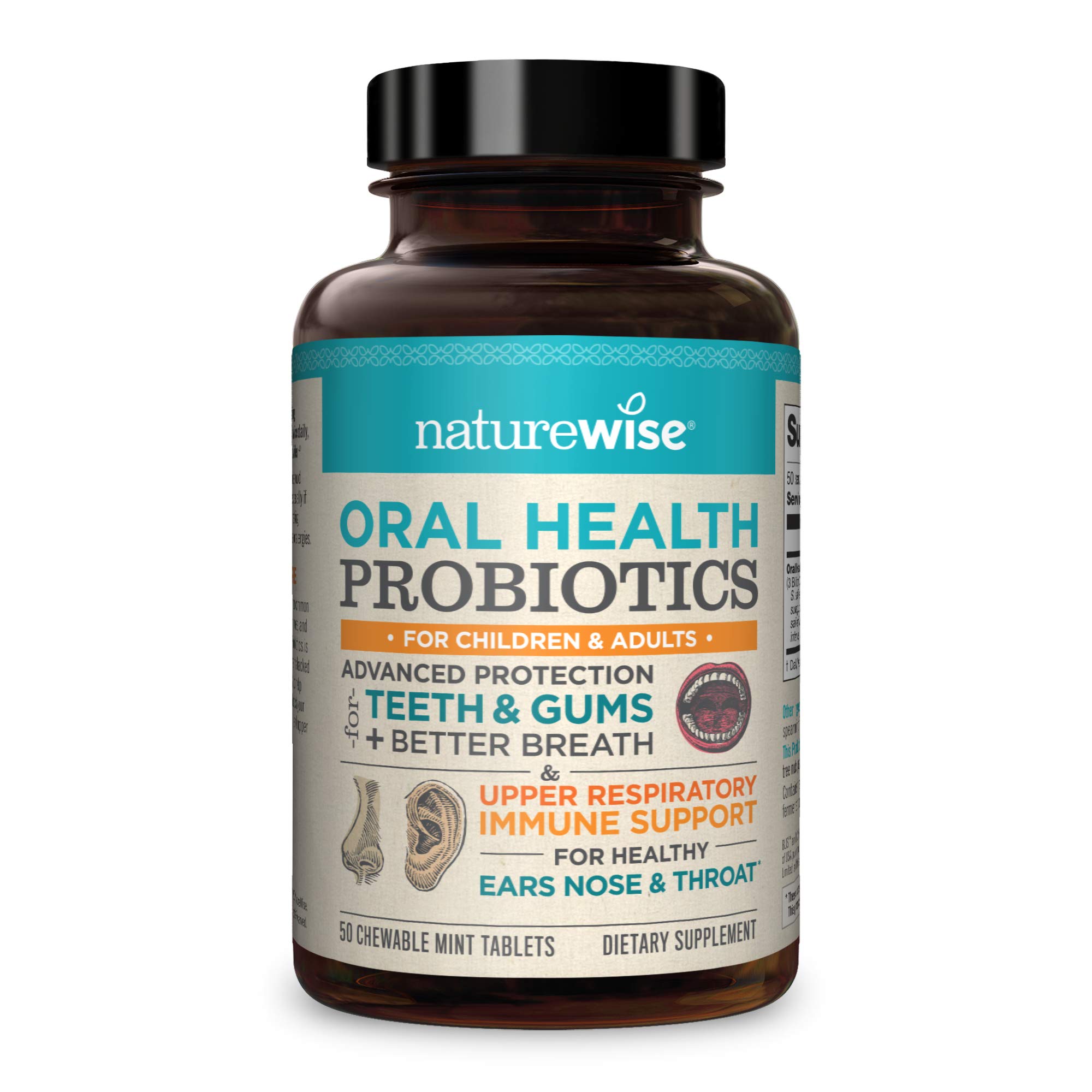
Probiotics: Your Secret Weapon for a Happy, Healthy Mouth
Tooth sensitivity – that sharp, shooting pain when you bite into something cold, hot, sweet, or acidic – plagues millions. It significantly impacts quality of life, often forcing dietary restrictions and limiting enjoyment of everyday pleasures. While traditional methods like desensitizing toothpaste offer some relief, a growing body of research points to a surprising ally in the fight against sensitivity: probiotics. These beneficial bacteria, already celebrated for their gut health benefits, are increasingly recognized for their powerful role in promoting oral health and alleviating discomfort.
Understanding the Link Between Oral Microbiome and Sensitivity
Your mouth teems with a complex ecosystem of bacteria, collectively known as the oral microbiome. A balanced microbiome is crucial for oral health. When this balance is disrupted – a condition known as dysbiosis – harmful bacteria can proliferate, leading to various problems including gingivitis, periodontitis, and even tooth sensitivity. Harmful bacteria produce acids that erode tooth enamel, exposing the dentin layer beneath. This dentin contains microscopic tubules that lead directly to the nerves in your teeth, resulting in that characteristic sensitivity.
How Probiotics Restore Balance
Probiotics work by re-establishing a healthy balance within the oral microbiome. They achieve this in several ways:
- Competing with harmful bacteria for resources: Probiotics essentially outcompete the bad bacteria, limiting their ability to grow and produce harmful acids.
- Producing antimicrobial substances: Some probiotics produce substances that directly inhibit the growth of harmful bacteria, further reducing their impact.
- Strengthening the immune response: Probiotics stimulate the body's natural defenses, helping to fight infection and inflammation that contribute to tooth sensitivity.
- Promoting saliva production: Saliva plays a crucial role in neutralizing acids and washing away food particles, contributing to a healthier oral environment.
Evidence Supporting Probiotic Use for Tooth Sensitivity
While research is ongoing, several studies suggest a positive correlation between probiotic use and reduced tooth sensitivity. For instance, studies have shown that certain probiotic strains, when incorporated into mouthwashes or taken as supplements, can effectively reduce gingivitis and plaque buildup—both major contributors to enamel erosion and subsequent sensitivity. These improvements in overall oral health translate to a noticeable reduction in sensitivity for many individuals.
Incorporating Probiotics into Your Oral Care Routine
There are several ways to harness the power of probiotics for better oral health:
- Probiotic mouthwashes: Look for mouthwashes specifically formulated with beneficial probiotic strains. These mouthwashes offer a convenient way to introduce probiotics directly into the oral cavity.
- Probiotic supplements: While not directly applied to the mouth, some studies suggest that systemic probiotic intake can influence the oral microbiome positively. However, always consult your dentist or doctor before starting any new supplement regimen.
- Probiotic-rich foods: Incorporating foods rich in probiotics, such as yogurt (especially those containing live and active cultures), kefir, and sauerkraut into your diet can contribute to a healthier gut and potentially a healthier mouth.
Important Note: While probiotics show promise in improving oral health and reducing sensitivity, they are not a miracle cure. Maintaining a comprehensive oral hygiene routine, including regular brushing, flossing, and professional dental cleanings, remains crucial. Probiotics should be considered a complementary approach to enhance your overall oral wellness.

0 comments:
Post a Comment
Note: Only a member of this blog may post a comment.