Sunday, February 2, 2025
The Top Nutrients Your Oral Microbiome Needs for Health
The Top Nutrients Your Oral Microbiome Needs for Health
The oral microbiome, a complex ecosystem of microorganisms residing within the oral cavity, plays a pivotal role in maintaining overall oral and systemic health. A balanced and thriving oral microbiome contributes to effective immune function, preventing infections, and protecting against the development of various oral diseases, including caries (tooth decay), periodontal disease (gum disease), and halitosis (bad breath). However, the composition and functionality of this microbiome are significantly influenced by the nutrients it receives. A deficiency in essential nutrients can disrupt the delicate equilibrium, leading to dysbiosis—an imbalance in microbial populations—and a subsequent increase in the risk of oral diseases. This article will delve into the critical nutrients required for a healthy oral microbiome.
The Importance of a Balanced Oral Microbiome
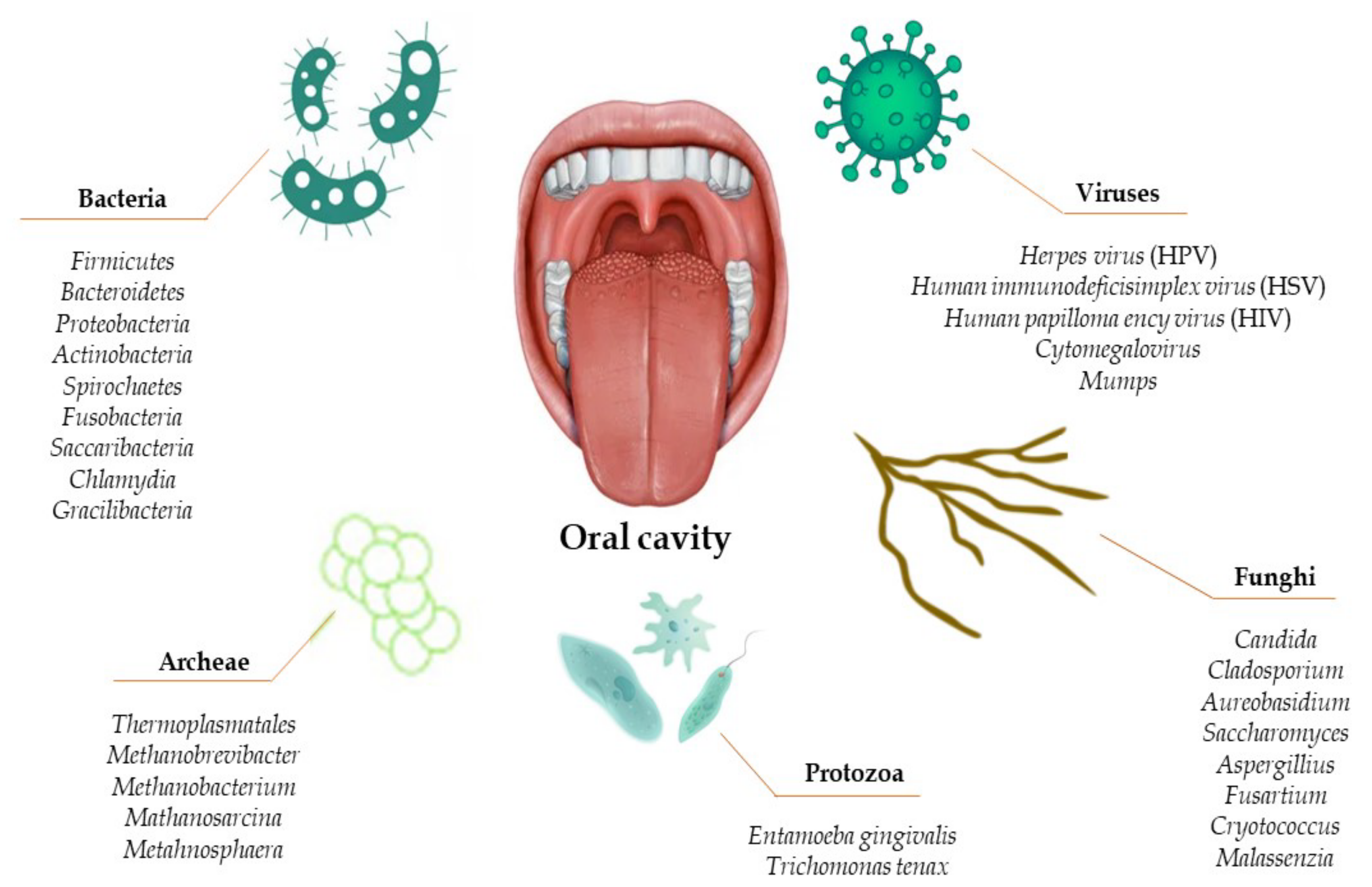
The oral cavity is home to hundreds of bacterial species, as well as archaea, fungi, and viruses. These microorganisms interact dynamically with each other and with the host's tissues, forming a complex community. A healthy oral microbiome is characterized by a diverse range of species, with a prevalence of commensal (beneficial) bacteria that prevent the overgrowth of pathogenic (disease-causing) bacteria. These commensal bacteria contribute to various beneficial functions, including:
- Protection against pathogens: Commensal bacteria compete with pathogens for nutrients and attachment sites, preventing their colonization and proliferation.
- Immune system modulation: They help educate and train the immune system, promoting tolerance to harmless bacteria while maintaining responsiveness against pathogens.
- Metabolic functions: Certain bacteria participate in metabolic processes, such as nutrient metabolism and vitamin synthesis.
- Maintenance of oral tissue integrity: They contribute to the overall health and integrity of the oral mucosa and gingival tissues.
Dysbiosis, characterized by an imbalance in the microbial community, can lead to a shift towards pathogenic bacteria, increasing the susceptibility to various oral diseases. This shift is often triggered by several factors, including poor oral hygiene, a diet lacking essential nutrients, and systemic conditions.
Essential Nutrients for a Thriving Oral Microbiome
The health and balance of the oral microbiome heavily rely on the availability of specific nutrients. These nutrients are crucial for microbial growth, metabolic activity, and the maintenance of a diverse microbial community. The following nutrients are particularly important:
1. Vitamins
Several vitamins play crucial roles in maintaining a healthy oral microbiome. Vitamin B complex, including B1 (thiamine), B2 (riboflavin), B3 (niacin), B6 (pyridoxine), B9 (folate), and B12 (cobalamin), are essential for bacterial metabolism and the synthesis of various enzymes crucial for microbial function. Vitamin K is required for blood coagulation and wound healing, crucial for preventing bleeding and promoting tissue repair in the oral cavity. Vitamin D, while not directly involved in bacterial metabolism, has an indirect role in immune function, influencing the host's response to oral pathogens.
2. Minerals
Minerals are equally vital for the oral microbiome. Calcium and phosphorus are essential components of tooth enamel and dentin, contributing to dental structure and strength. Iron is a key element in many enzymes crucial for bacterial metabolism, oxygen transport, and overall cellular function. Zinc plays a critical role in immune function and wound healing, supporting the body's defense against oral infections. Magnesium, another essential mineral, is involved in numerous metabolic processes, contributing to the overall health and function of the oral microbiome.
3. Polyphenols
Beyond vitamins and minerals, dietary polyphenols from fruits, vegetables, and tea exhibit significant prebiotic effects on the oral microbiome. Polyphenols are bioactive compounds with potent antioxidant properties. They can selectively stimulate the growth of beneficial bacteria while inhibiting the growth of harmful bacteria. This selective modulation of microbial composition can help maintain a balanced and healthy oral microbiome. Different polyphenols offer different benefits; some might increase the concentration of beneficial bacteria, while others may decrease the levels of pathogens involved in gum disease or cavities.
4. Fiber
Dietary fiber, although not a nutrient in the strictest sense, is critical for maintaining gut health and indirectly impacts oral health. Fiber is primarily fermented by bacteria in the gut, producing short-chain fatty acids (SCFAs), such as butyrate, acetate, and propionate. While the exact mechanisms are still being explored, some evidence suggests SCFAs may exert beneficial effects on the oral microbiome, although more research is needed in this area. The relationship between gut and oral health is increasingly recognized, highlighting the importance of a balanced diet supporting both ecosystems.
Dietary Strategies to Support a Healthy Oral Microbiome
To foster a healthy and balanced oral microbiome, dietary strategies must focus on providing a diverse array of the aforementioned nutrients. This involves consuming a balanced diet rich in fruits, vegetables, whole grains, and lean proteins. Specific recommendations include:
- Increase consumption of fruits and vegetables rich in vitamins and polyphenols: Berries, leafy greens, and citrus fruits are excellent sources of vitamins and polyphenols beneficial for the oral microbiome.
- Include dairy products or fortified foods for calcium and vitamin D: These nutrients are essential for maintaining strong tooth enamel and supporting immune function.
- Choose whole grains over refined grains: Whole grains provide more fiber and nutrients than refined grains.
- Incorporate lean protein sources: Lean proteins provide essential amino acids for various metabolic processes.
- Limit sugary drinks and processed foods: These contribute to the overgrowth of harmful bacteria and increase the risk of dental caries.
- Stay adequately hydrated: Drinking plenty of water helps to rinse away food debris and bacteria, contributing to better oral hygiene.
Conclusion
The oral microbiome is a complex and dynamic ecosystem crucial for overall oral and systemic health. Providing the necessary nutrients through a well-balanced diet plays a crucial role in maintaining the equilibrium of this ecosystem. By ensuring adequate intake of vitamins, minerals, polyphenols, and fiber, we can support a thriving oral microbiome, reducing the risk of various oral diseases and contributing to improved overall health. Further research is needed to fully elucidate the intricate interactions between nutrition, the oral microbiome, and oral health, but the existing evidence strongly supports the importance of dietary interventions in promoting a healthy oral environment.

0 comments:
Post a Comment
Note: Only a member of this blog may post a comment.