Sunday, February 2, 2025
The Benefits of Xylitol and Probiotics for Gum Protection
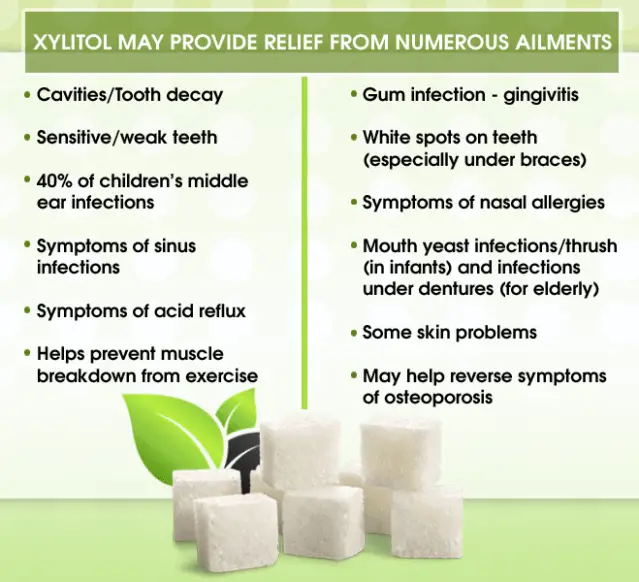
The Synergistic Benefits of Xylitol and Probiotics for Gum Protection
Maintaining optimal oral health is paramount for overall well-being. While traditional dental hygiene practices, such as brushing and flossing, remain crucial, emerging research highlights the significant contributions of specific dietary supplements and therapeutic agents in enhancing gum health and preventing periodontal disease. This article explores the synergistic benefits of xylitol and probiotics in promoting gum protection, examining their individual mechanisms of action and their combined efficacy in combating oral pathogens and strengthening the oral microbiome.
Understanding the Etiology of Gum Disease
Gum disease, or periodontal disease, encompasses a range of inflammatory conditions affecting the gums and supporting structures of the teeth. The primary etiological factor is the accumulation of bacterial biofilm, commonly known as plaque, on the tooth surfaces. This biofilm comprises a complex community of microorganisms, including gram-positive and gram-negative bacteria, which produce various virulence factors contributing to the inflammatory process.
The initial stage, gingivitis, is characterized by inflammation and bleeding gums, often reversible with improved oral hygiene. However, if left untreated, gingivitis can progress to periodontitis, a more severe form of gum disease leading to bone loss, tooth mobility, and ultimately, tooth loss. The progression of periodontitis is associated with the host's immune response to bacterial lipopolysaccharides (LPS) and other inflammatory mediators produced by the pathogenic bacteria within the biofilm.
Xylitol: A Natural Sugar Substitute with Anti-cariogenic Properties
Xylitol, a five-carbon sugar alcohol naturally found in various fruits and vegetables, has garnered significant attention for its potential in preventing dental caries and improving gum health. Unlike sucrose and other fermentable carbohydrates, xylitol is poorly metabolized by oral bacteria responsible for plaque formation and acid production.
Mechanism of Action of Xylitol
The anti-cariogenic properties of xylitol are multifactorial:
- Inhibition of bacterial growth: Xylitol inhibits the growth and metabolism of Streptococcus mutans, a key cariogenic bacterium, by interfering with its adhesion to tooth surfaces and inhibiting its ability to produce lactic acid.
- Reduced plaque formation: By preventing bacterial adherence and metabolism, xylitol contributes to reduced plaque accumulation, thereby minimizing the risk of gingivitis and periodontitis.
- Stimulation of saliva production: Xylitol can increase saliva production, which plays a critical role in neutralizing acids, clearing debris, and remineralizing tooth enamel. Increased saliva flow helps wash away harmful bacteria and maintain a healthy oral environment.
- Enhanced remineralization: Studies suggest that xylitol can promote remineralization of early carious lesions, helping to repair enamel damage.
Probiotics: Modulating the Oral Microbiome for Gum Health
Probiotics are live microorganisms, primarily bacteria and yeasts, that confer health benefits when administered in adequate amounts. Emerging research emphasizes their potential role in modulating the oral microbiome, promoting a balanced ecosystem, and preventing periodontal diseases.
Mechanism of Action of Probiotics
The beneficial effects of probiotics in oral health are attributed to several mechanisms:
- Competition for nutrients and adhesion sites: Probiotic strains compete with pathogenic bacteria for nutrients and binding sites on tooth surfaces, thereby reducing their colonization and growth.
- Production of antimicrobial substances: Certain probiotic strains produce bacteriocins and other antimicrobial compounds that inhibit the growth of pathogenic bacteria, reducing biofilm formation and inflammation.
- Immune modulation: Probiotics can modulate the host immune response by enhancing the activity of immune cells and reducing the production of pro-inflammatory cytokines, thereby mitigating the inflammatory response associated with periodontal disease.
- Improvement of gingival health: Studies have shown that probiotic supplementation can lead to improvements in gingival inflammation, bleeding on probing, and periodontal pocket depth.
Synergistic Effects of Xylitol and Probiotics
The combined use of xylitol and probiotics offers a potentially synergistic approach to gum protection. While xylitol directly inhibits the growth and activity of cariogenic bacteria, probiotics contribute to restoring the balance of the oral microbiome, promoting the growth of beneficial bacteria, and suppressing the pathogenic ones. This combined action strengthens the overall defense against periodontal pathogens.
The synergistic effect is particularly relevant in preventing the establishment and growth of pathogenic bacteria. By reducing the initial bacterial load through xylitol's inhibitory action, probiotics find a more favorable environment to colonize and exert their beneficial effects. This creates a more resilient oral environment, less susceptible to periodontal infections. Additionally, the improved salivary flow stimulated by xylitol facilitates the dissemination of probiotics throughout the oral cavity, enhancing their efficacy.
Clinical Evidence and Future Directions
While a significant body of evidence supports the individual benefits of xylitol and probiotics in oral health, further research is needed to fully elucidate their synergistic effects. Many studies have demonstrated the individual efficacy of xylitol and probiotics in improving various aspects of oral health, however, more rigorous clinical trials are required to definitively establish the optimal combinations, dosages, and durations of treatment for achieving maximum synergistic effects in preventing and managing periodontal disease.
Future research should focus on identifying specific probiotic strains with optimal efficacy in combination with xylitol. Studies should also explore the long-term effects of combined xylitol and probiotic interventions on the oral microbiome and the prevention of periodontal disease progression. Personalized approaches, considering individual oral microbiome profiles and risk factors for periodontal disease, could further optimize the efficacy of these interventions.
In conclusion, both xylitol and probiotics hold significant promise for improving gum health. Their individual mechanisms of action, along with the potential for synergistic effects when used in combination, suggest a promising approach to preventing and managing periodontal disease. While further research is necessary to fully elucidate the optimal strategies for their combined use, existing evidence strongly supports their incorporation into comprehensive oral hygiene regimens for enhanced gum protection and improved overall oral health.

0 comments:
Post a Comment
Note: Only a member of this blog may post a comment.