Sunday, February 2, 2025
The Benefits of Xylitol and Probiotics for Gum Protection
The Synergistic Benefits of Xylitol and Probiotics for Gum Protection
Maintaining optimal oral health is paramount for overall well-being. While traditional dental hygiene practices, such as brushing and flossing, remain crucial, emerging research highlights the significant contributions of specific dietary supplements and therapeutic agents in enhancing gum health and preventing periodontal disease. This article explores the synergistic benefits of xylitol and probiotics in promoting gum protection, examining their individual mechanisms of action and their combined efficacy in combating oral pathogens and strengthening the oral microbiome.
Understanding the Etiology of Gum Disease
Gum disease, or periodontal disease, encompasses a range of inflammatory conditions affecting the gums and supporting structures of the teeth. The primary etiological factor is the accumulation of bacterial biofilm, commonly known as plaque, on the tooth surfaces. This biofilm comprises a complex community of microorganisms, including gram-positive and gram-negative bacteria, which produce various virulence factors contributing to the inflammatory process.
The initial stage, gingivitis, is characterized by inflammation and bleeding gums, often reversible with improved oral hygiene. However, if left untreated, gingivitis can progress to periodontitis, a more severe form of gum disease leading to bone loss, tooth mobility, and ultimately, tooth loss. The progression of periodontitis is associated with the host's immune response to bacterial lipopolysaccharides (LPS) and other inflammatory mediators produced by the pathogenic bacteria within the biofilm.
Xylitol: A Natural Sugar Substitute with Anti-cariogenic Properties
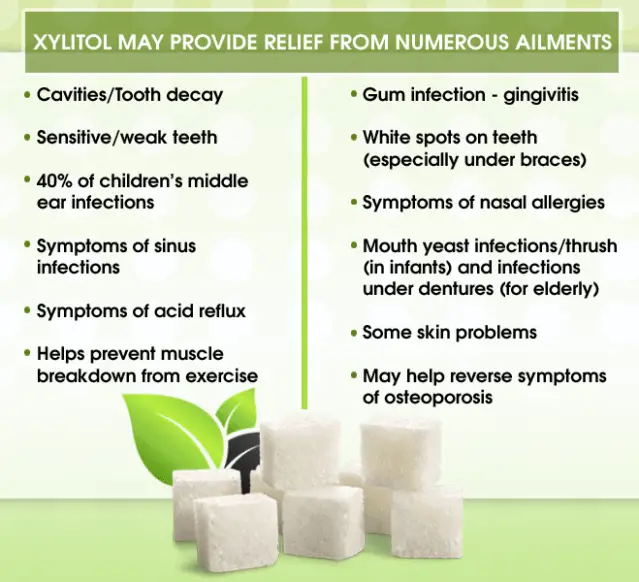
Xylitol, a five-carbon sugar alcohol naturally found in various fruits and vegetables, has garnered significant attention for its potential in preventing dental caries and improving gum health. Unlike sucrose and other fermentable carbohydrates, xylitol is poorly metabolized by oral bacteria responsible for plaque formation and acid production.
Mechanism of Action of Xylitol
The anti-cariogenic properties of xylitol are multifactorial:
- Inhibition of bacterial growth: Xylitol inhibits the growth and metabolism of Streptococcus mutans, a key cariogenic bacterium, by interfering with its adhesion to tooth surfaces and inhibiting its ability to produce lactic acid.
- Reduced plaque formation: By preventing bacterial adherence and metabolism, xylitol contributes to reduced plaque accumulation, thereby minimizing the risk of gingivitis and periodontitis.
- Stimulation of saliva production: Xylitol can increase saliva production, which plays a critical role in neutralizing acids, clearing debris, and remineralizing tooth enamel. Increased saliva flow helps wash away harmful bacteria and maintain a healthy oral environment.
- Enhanced remineralization: Studies suggest that xylitol can promote remineralization of early carious lesions, helping to repair enamel damage.
Probiotics: Modulating the Oral Microbiome for Gum Health
Probiotics are live microorganisms, primarily bacteria and yeasts, that confer health benefits when administered in adequate amounts. Emerging research emphasizes their potential role in modulating the oral microbiome, promoting a balanced ecosystem, and preventing periodontal diseases.
Mechanism of Action of Probiotics
The beneficial effects of probiotics in oral health are attributed to several mechanisms:
- Competition for nutrients and adhesion sites: Probiotic strains compete with pathogenic bacteria for nutrients and binding sites on tooth surfaces, thereby reducing their colonization and growth.
- Production of antimicrobial substances: Certain probiotic strains produce bacteriocins and other antimicrobial compounds that inhibit the growth of pathogenic bacteria, reducing biofilm formation and inflammation.
- Immune modulation: Probiotics can modulate the host immune response by enhancing the activity of immune cells and reducing the production of pro-inflammatory cytokines, thereby mitigating the inflammatory response associated with periodontal disease.
- Improvement of gingival health: Studies have shown that probiotic supplementation can lead to improvements in gingival inflammation, bleeding on probing, and periodontal pocket depth.
Synergistic Effects of Xylitol and Probiotics
The combined use of xylitol and probiotics offers a potentially synergistic approach to gum protection. While xylitol directly inhibits the growth and activity of cariogenic bacteria, probiotics contribute to restoring the balance of the oral microbiome, promoting the growth of beneficial bacteria, and suppressing the pathogenic ones. This combined action strengthens the overall defense against periodontal pathogens.
The synergistic effect is particularly relevant in preventing the establishment and growth of pathogenic bacteria. By reducing the initial bacterial load through xylitol's inhibitory action, probiotics find a more favorable environment to colonize and exert their beneficial effects. This creates a more resilient oral environment, less susceptible to periodontal infections. Additionally, the improved salivary flow stimulated by xylitol facilitates the dissemination of probiotics throughout the oral cavity, enhancing their efficacy.
Clinical Evidence and Future Directions
While a significant body of evidence supports the individual benefits of xylitol and probiotics in oral health, further research is needed to fully elucidate their synergistic effects. Many studies have demonstrated the individual efficacy of xylitol and probiotics in improving various aspects of oral health, however, more rigorous clinical trials are required to definitively establish the optimal combinations, dosages, and durations of treatment for achieving maximum synergistic effects in preventing and managing periodontal disease.
Future research should focus on identifying specific probiotic strains with optimal efficacy in combination with xylitol. Studies should also explore the long-term effects of combined xylitol and probiotic interventions on the oral microbiome and the prevention of periodontal disease progression. Personalized approaches, considering individual oral microbiome profiles and risk factors for periodontal disease, could further optimize the efficacy of these interventions.
In conclusion, both xylitol and probiotics hold significant promise for improving gum health. Their individual mechanisms of action, along with the potential for synergistic effects when used in combination, suggest a promising approach to preventing and managing periodontal disease. While further research is necessary to fully elucidate the optimal strategies for their combined use, existing evidence strongly supports their incorporation into comprehensive oral hygiene regimens for enhanced gum protection and improved overall oral health.

How Probiotics Help Alleviate Tooth Sensitivity and Improve Oral Comfort
Probiotics: Your Secret Weapon for a Happy, Healthy Mouth
Tooth sensitivity – that sharp, shooting pain when you bite into something cold, hot, sweet, or acidic – plagues millions. It significantly impacts quality of life, often forcing dietary restrictions and limiting enjoyment of everyday pleasures. While traditional methods like desensitizing toothpaste offer some relief, a growing body of research points to a surprising ally in the fight against sensitivity: probiotics. These beneficial bacteria, already celebrated for their gut health benefits, are increasingly recognized for their powerful role in promoting oral health and alleviating discomfort.
Understanding the Link Between Oral Microbiome and Sensitivity
Your mouth teems with a complex ecosystem of bacteria, collectively known as the oral microbiome. A balanced microbiome is crucial for oral health. When this balance is disrupted – a condition known as dysbiosis – harmful bacteria can proliferate, leading to various problems including gingivitis, periodontitis, and even tooth sensitivity. Harmful bacteria produce acids that erode tooth enamel, exposing the dentin layer beneath. This dentin contains microscopic tubules that lead directly to the nerves in your teeth, resulting in that characteristic sensitivity.
How Probiotics Restore Balance
Probiotics work by re-establishing a healthy balance within the oral microbiome. They achieve this in several ways:
- Competing with harmful bacteria for resources: Probiotics essentially outcompete the bad bacteria, limiting their ability to grow and produce harmful acids.
- Producing antimicrobial substances: Some probiotics produce substances that directly inhibit the growth of harmful bacteria, further reducing their impact.
- Strengthening the immune response: Probiotics stimulate the body's natural defenses, helping to fight infection and inflammation that contribute to tooth sensitivity.
- Promoting saliva production: Saliva plays a crucial role in neutralizing acids and washing away food particles, contributing to a healthier oral environment.
Evidence Supporting Probiotic Use for Tooth Sensitivity
While research is ongoing, several studies suggest a positive correlation between probiotic use and reduced tooth sensitivity. For instance, studies have shown that certain probiotic strains, when incorporated into mouthwashes or taken as supplements, can effectively reduce gingivitis and plaque buildup—both major contributors to enamel erosion and subsequent sensitivity. These improvements in overall oral health translate to a noticeable reduction in sensitivity for many individuals.
Incorporating Probiotics into Your Oral Care Routine
There are several ways to harness the power of probiotics for better oral health:
- Probiotic mouthwashes: Look for mouthwashes specifically formulated with beneficial probiotic strains. These mouthwashes offer a convenient way to introduce probiotics directly into the oral cavity.
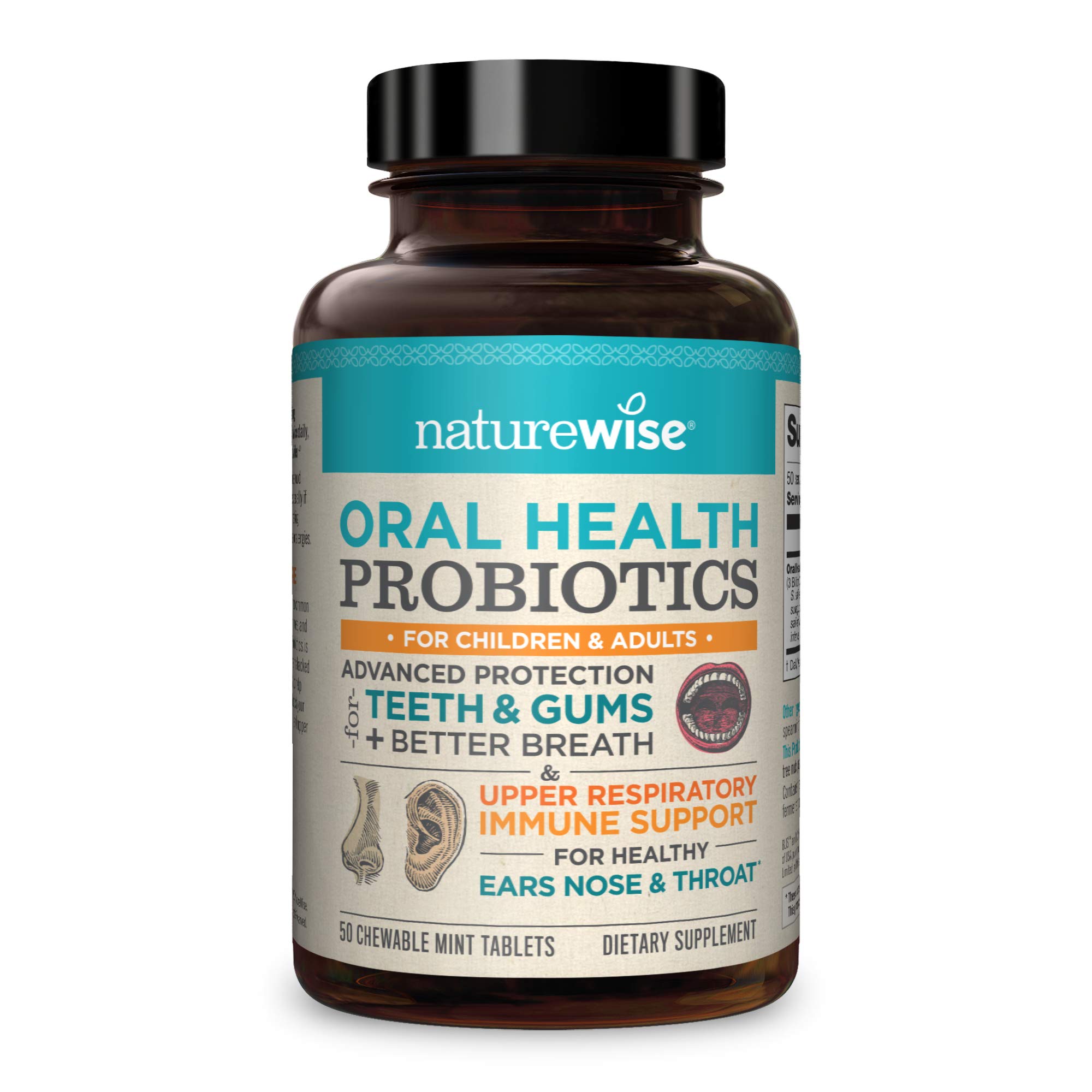
- Probiotic supplements: While not directly applied to the mouth, some studies suggest that systemic probiotic intake can influence the oral microbiome positively. However, always consult your dentist or doctor before starting any new supplement regimen.
- Probiotic-rich foods: Incorporating foods rich in probiotics, such as yogurt (especially those containing live and active cultures), kefir, and sauerkraut into your diet can contribute to a healthier gut and potentially a healthier mouth.
Important Note: While probiotics show promise in improving oral health and reducing sensitivity, they are not a miracle cure. Maintaining a comprehensive oral hygiene routine, including regular brushing, flossing, and professional dental cleanings, remains crucial. Probiotics should be considered a complementary approach to enhance your overall oral wellness.
How to Strengthen Gums Naturally and Avoid Gum Recession Issues

Strengthen Your Gums Naturally and Combat Recession
Gum recession, the gradual pulling back of gum tissue from the teeth, is a common dental problem that can lead to sensitivity, tooth loss, and other oral health issues. While professional dental care is crucial, you can significantly bolster your gum health and actively prevent recession through natural methods. This article explores simple yet effective strategies to fortify your gums and maintain a radiant smile.
Understanding Gum Recession and its Causes
Before diving into solutions, let's understand why gums recede. Aggressive brushing, using a hard-bristled toothbrush, is a major culprit. The abrasive action wears away the gum tissue over time. Similarly, gum disease (periodontal disease), an infection affecting the gums and supporting bone, plays a significant role. Bacteria build-up inflames the gums, leading to inflammation and ultimately, recession. Genetics also influence susceptibility, with some individuals naturally more prone to gum recession than others. Finally, poor oral hygiene practices, such as infrequent flossing and neglecting regular dental checkups, exacerbate the risk.
Natural Ways to Strengthen Your Gums
Fortunately, numerous natural methods can actively improve your gum health and potentially reverse mild recession. These strategies focus on enhancing gum tissue strength, reducing inflammation, and promoting overall oral wellness.
Dietary Adjustments for Gum Health
Your diet significantly impacts gum health. Consume foods rich in Vitamin C, a powerful antioxidant that strengthens connective tissue and boosts the immune system. Citrus fruits, strawberries, and bell peppers are excellent sources. Include foods high in Vitamin K2, which aids in calcium absorption and strengthens bone density, supporting gum tissue integrity. Leafy greens like kale and spinach are rich in Vitamin K2. Increase your intake of calcium for stronger teeth and gums. Dairy products, almonds, and leafy greens are good sources. Finally, ensure adequate intake of Vitamin D, which also plays a crucial role in bone health and may indirectly support gum tissue. Fatty fish, egg yolks, and fortified foods provide vitamin D.
Effective Oral Hygiene Techniques
Proper brushing and flossing are fundamental. Use a soft-bristled toothbrush and gentle, circular motions. Avoid aggressive scrubbing. Floss daily to remove plaque and food particles from between your teeth, preventing bacterial build-up. Use an antiseptic mouthwash as directed by your dentist, to help combat bacteria and reduce inflammation. Consider oil pulling with coconut oil for its antibacterial and anti-inflammatory properties. Remember, consistency is key; diligent oral hygiene is your first line of defense against gum recession.
Natural Remedies and Herbal Solutions
Certain natural remedies show promise in promoting gum health. Aloe vera, known for its soothing and anti-inflammatory properties, can be applied directly to the gums to reduce inflammation. Green tea, rich in antioxidants, helps combat bacteria and inflammation. Rinsing with green tea can be beneficial. Saltwater rinses can temporarily alleviate discomfort and reduce inflammation by drawing out bacteria and debris. Always consult your dentist before using any natural remedies, especially if you have pre-existing conditions.
Maintaining Long-Term Gum Health
Sustaining healthy gums requires a holistic approach. Regular dental checkups are crucial. Your dentist can identify potential problems early on and provide professional cleanings to remove plaque and tartar buildup. Quit smoking, as smoking significantly increases the risk of gum disease and recession. Manage stress effectively, as chronic stress can negatively impact your immune system and increase inflammation. By combining these natural strategies with professional dental care, you can proactively protect your gums and enjoy a healthy, confident smile for years to come.
Monday, January 27, 2025
How Probiotics Work for Healthier Teeth and Gums Naturally

Harnessing the Power of Probiotics for a Healthier Smile
For centuries, we've understood the importance of a balanced diet for overall health. Now, the spotlight is shining on the crucial role of our gut microbiome, and increasingly, research reveals a fascinating connection between these microscopic inhabitants and the health of our mouths. Probiotics, those beneficial bacteria, are emerging as powerful allies in the fight for healthier teeth and gums. This article explores how these tiny organisms contribute to a naturally brighter and healthier smile.
Understanding the Oral Microbiome and Its Imbalance
Your mouth teems with a diverse community of bacteria â€" a complex ecosystem known as the oral microbiome. A healthy balance between beneficial and harmful bacteria is essential for maintaining oral health. However, various factors can disrupt this delicate equilibrium, leading to an overgrowth of harmful bacteria. These factors include poor oral hygiene, a diet high in sugary foods and processed carbohydrates, smoking, and certain medical conditions. When harmful bacteria dominate, they produce acids that erode tooth enamel, leading to cavities, and irritate gums, increasing the risk of gingivitis and periodontitis (gum disease).
How Probiotics Combat Oral Bacteria
Probiotics work in several ways to improve oral health. They don't simply eliminate all bacteria; instead, they help restore the balance within the oral microbiome. This is achieved through several mechanisms:
1. Competition for Resources and Space:
Beneficial probiotic bacteria compete with harmful bacteria for nutrients and attachment sites on the teeth and gums. By successfully outcompeting harmful strains, probiotics effectively limit their growth and colonization.
2. Production of Antimicrobial Substances:
Many probiotic strains produce substances that directly inhibit the growth of harmful oral bacteria. These antimicrobial compounds can disrupt bacterial cell walls, preventing their replication and survival. This natural defense mechanism helps maintain a healthy balance within the oral ecosystem.
3. Modulation of the Immune Response:
Probiotics interact with the immune system, strengthening its ability to fight off infections. They help regulate the inflammatory response, crucial in preventing and managing gum disease. This immune modulation helps to reduce the severity of gum inflammation and maintain healthy gums.
Incorporating Probiotics into Your Oral Health Routine
While more research is needed to fully understand the specific benefits of different probiotic strains for oral health, several strategies can help you harness their power:
- Incorporate probiotic-rich foods into your diet: Foods like yogurt (containing live and active cultures), kefir, and sauerkraut can contribute beneficial bacteria to your gut and potentially your mouth.
- Consider probiotic supplements: Many probiotic supplements are available, often containing specific strains shown to be beneficial for gut health. While not all have been directly tested for oral health benefits, the overall gut health impact may indirectly improve oral health. Always consult your doctor or dentist before starting any new supplement.
- Maintain excellent oral hygiene: Probiotics are not a replacement for good oral hygiene practices. Continue to brush and floss regularly and visit your dentist for regular check-ups and cleanings.
Disclaimer: While probiotics offer promising potential for improving oral health, they are not a cure-all. Always consult with your dentist or healthcare provider before making significant changes to your diet or supplement regimen, especially if you have existing oral health problems or are taking other medications.
How to Heal Sensitive Gums with Essential Oils

Soothe Your Sensitive Gums Naturally: An Essential Oil Guide
Sensitive gums, characterized by bleeding, pain, and inflammation, can significantly impact your oral health and overall well-being. While professional dental care is crucial, essential oils offer a natural and complementary approach to soothe irritated gums and promote healing. This guide explores the benefits of specific essential oils and provides detailed instructions for safe and effective use. Remember, always consult your dentist before incorporating essential oils into your oral health routine, especially if you have existing conditions or are taking medications.
Understanding Sensitive Gums
Sensitive gums often stem from gum disease (gingivitis or periodontitis), poor oral hygiene, aggressive brushing, or even certain medical conditions. The inflammation causes the gums to become tender, bleed easily, and potentially recede, exposing the tooth roots and making them more vulnerable to decay. Addressing the underlying cause is paramount, but essential oils can offer targeted relief from the symptoms and support the healing process. Proper brushing and flossing techniques, combined with regular dental checkups, remain essential for long-term gum health.
Essential Oils for Sensitive Gums
Several essential oils possess anti-inflammatory, antibacterial, and analgesic properties that can benefit sensitive gums. However, it's crucial to use them correctly and dilute them properly to prevent irritation. Never apply undiluted essential oils directly to your gums.
Tea Tree Oil
Known for its potent antibacterial and antifungal properties, tea tree oil effectively combats the bacteria contributing to gum inflammation. It helps reduce swelling and promotes healing. To use, dilute 1-2 drops of tea tree oil in 1 tablespoon of a carrier oil like coconut or jojoba oil. Gently massage this mixture onto your gums once or twice daily after brushing.
Clove Oil
Clove oil boasts strong analgesic and antiseptic qualities, providing effective pain relief and fighting infection. Its active compound, eugenol, numbs the affected area, offering immediate comfort from gum sensitivity. Dilute 1 drop of clove oil with 2 tablespoons of a carrier oil and apply it cautiously to the affected areas once daily. Use clove oil sparingly due to its potent properties.
Myrrh Oil
Myrrh oil exhibits impressive anti-inflammatory and antimicrobial effects. It contributes to gum tissue regeneration and reduces bleeding. Mix 1 drop of myrrh oil with 1 tablespoon of a carrier oil and gently massage it into your gums twice a day. Myrrh's astringent properties help to tighten gum tissues.
Safe and Effective Application Techniques
Applying essential oils to your gums requires a careful and considered approach. Always follow these guidelines:
- Dilute properly: Never apply undiluted essential oils. Always use a carrier oil (coconut, jojoba, or olive oil) to dilute the essential oil.
- Perform a patch test: Before applying to your gums, test a small amount of the diluted mixture on a less sensitive area of skin to check for any allergic reactions.
- Gentle application: Use a clean fingertip or cotton swab to gently massage the diluted mixture onto your gums.
- Frequency: Apply the mixture once or twice daily after brushing and flossing.
- Monitor for reactions: If you experience any irritation, discontinue use and consult your dentist or healthcare provider.
Remember, essential oils are a complementary therapy, not a replacement for professional dental care. Consistent oral hygiene practices, regular dental checkups, and addressing underlying dental issues are critical for maintaining healthy gums. By combining these natural remedies with professional guidance, you can effectively address your sensitive gums and promote long-term oral health.
How Omega-3 Fatty Acids Benefit Your Oral Health
Omega-3 Fatty Acids: Your Mouth's Secret Weapon
Hey everyone! Let's talk about something super important, but often overlooked: the connection between what we eat and the health of our mouths. We all know brushing and flossing are crucial, but did you know that the foods we consume play a HUGE role in keeping our gums happy and our teeth strong? Today, we're diving deep into the world of omega-3 fatty acids and how they can be a game-changer for your oral health. Get comfy, grab a glass of water (preferably with some lemon â€" good for your teeth!), and let's get started!What are Omega-3s, Anyway?
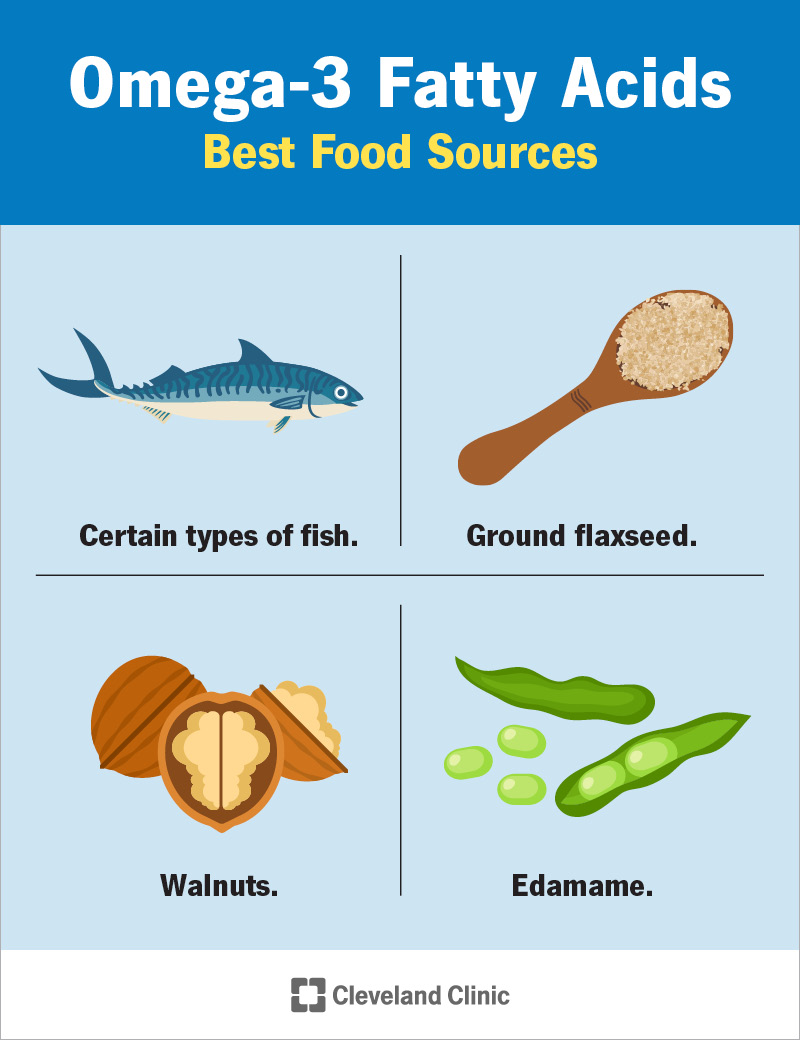
Omega-3 fatty acids are a type of polyunsaturated fat â€" basically, a good kind of fat! They're essential, meaning our bodies can't produce them on their own, so we need to get them from our diet. There are three main types: ALA, EPA, and DHA. ALA is found in plant-based sources like flaxseed and chia seeds, while EPA and DHA are primarily found in fatty fish like salmon, mackerel, and tuna. These last two are the ones often touted for their impressive health benefits, including those related to oral health.
How Do Omega-3s Help My Mouth?
Think of omega-3s as tiny superheroes fighting for the health of your gums and teeth. They work in several amazing ways:
Reducing Inflammation
Inflammation is at the root of many oral health problems, like gingivitis (gum inflammation) and periodontitis (a more serious gum disease). Omega-3s possess powerful anti-inflammatory properties. They help reduce the body's inflammatory response, calming down irritated gums and potentially preventing the progression of gum disease. Think of it like soothing a sunburn â€" omega-3s provide that same kind of relief for inflamed gums.
Fighting Bacteria
Our mouths are home to a complex ecosystem of bacteria, some good and some bad. An overgrowth of bad bacteria can lead to plaque buildup, cavities, and gum disease. Studies suggest that omega-3s can help inhibit the growth of certain harmful bacteria in the mouth, contributing to a healthier oral environment. They don't just soothe inflammation; they actively combat some of the culprits behind oral problems.
Improving Immune Function
A strong immune system is essential for fighting off infection, and that includes infections in your mouth. Omega-3s are known to boost immune function, making your body better equipped to defend against oral bacteria and prevent infections. Think of it as adding extra troops to your body's defense force against those sneaky bacteria!
Protecting Against Dry Mouth
Dry mouth (xerostomia) can be a real pain, making you more susceptible to cavities and infections. While the exact mechanism isn't fully understood, some research suggests that omega-3s may help improve salivary flow, counteracting the effects of dry mouth and promoting a healthier oral environment.
How Can I Get More Omega-3s?
The best way to reap the benefits of omega-3s is by incorporating them into your diet! Here are some tasty and easy ways:
- Fatty fish: Salmon, mackerel, tuna, sardines â€" aim for at least two servings per week.
- Flaxseeds: Add them to your yogurt, smoothies, or salads.
- Chia seeds: Sprinkle them on your oatmeal or cereal.
- Walnuts: Enjoy them as a snack or add them to your baked goods.
- Omega-3 supplements: If you find it difficult to get enough omega-3s from your diet, talk to your doctor or dentist about supplements.
Remember, a balanced diet rich in fruits, vegetables, and whole grains is crucial for overall health, including oral health. Omega-3s are just one piece of the puzzle!
Important Note: Consult Your Doctor or Dentist
While omega-3s offer many benefits, they're not a magic bullet. It's always best to consult with your doctor or dentist before making significant changes to your diet, especially if you have any underlying health conditions or are taking medications. They can help you determine the right amount of omega-3s for your individual needs and ensure that they won't interact negatively with any other treatments you're undergoing.
Beyond Omega-3s: Maintaining Optimal Oral Health
Omega-3s are a great addition to your oral health routine, but they shouldn't replace good oral hygiene practices. Remember to:
- Brush your teeth twice a day with fluoride toothpaste.
- Floss daily to remove plaque and food particles from between your teeth.
- Visit your dentist regularly for checkups and cleanings.
- Maintain a healthy diet and lifestyle.
Frequently Asked Questions
Q: Will omega-3s cure gum disease?
A: While omega-3s can significantly reduce inflammation and help manage gum disease, they are not a cure. They work best in conjunction with professional dental care and good oral hygiene practices.
Q: Are there any side effects of taking omega-3 supplements?
A: Some people may experience side effects like nausea, diarrhea, or heartburn when taking omega-3 supplements. It's best to start with a low dose and gradually increase it as needed. Always consult your doctor before starting any new supplement.
Q: How long does it take to see results?
A: The time it takes to see improvements in your oral health can vary depending on your individual circumstances and the severity of any existing conditions. However, many people report noticing positive changes within a few weeks of incorporating omega-3s into their diet or supplement routine.
Q: Can I get too much omega-3?
A: While unlikely from dietary sources, consuming excessive amounts of omega-3 supplements can lead to side effects. It’s important to follow the recommended dosage on the supplement label and consult your doctor or dentist for personalized advice.
Q: Are all omega-3 supplements created equal?
A: No, not all omega-3 supplements are created equal. Look for supplements that are third-party tested and provide information on the concentration of EPA and DHA. Discuss your options with your doctor or a registered dietitian.
I hope this information has been helpful! Remember, a healthy mouth is a happy mouth, and incorporating omega-3s into your diet can be a significant step towards achieving optimal oral health. As always, consult your dentist or doctor with any concerns or before starting any new dietary regime. Happy brushing (and eating!)
Home Remedies to Stop Gums from Bleeding Naturally and Safely

Home Remedies to Stop Gums from Bleeding Naturally and Safely
Bleeding gums, medically termed gingival bleeding, are a common oral health concern often indicative of underlying gum disease (gingivitis or periodontitis). While professional dental care is crucial for addressing the root cause, several home remedies can offer temporary relief and contribute to improved oral hygiene, thus supporting the treatment plan recommended by your dentist.
It is vital to remember that these home remedies are supplementary and should not replace regular dental check-ups and professional cleaning. Persistent or severe gum bleeding warrants immediate consultation with a dentist to rule out serious conditions.
Understanding the Causes of Bleeding Gums
Before exploring home remedies, understanding the underlying causes of bleeding gums is paramount. The most frequent culprit is gingivitis, an inflammatory condition caused by bacterial plaque buildup along the gum line. This plaque irritates the gums, leading to inflammation, swelling, and ultimately, bleeding. Poor oral hygiene practices, such as infrequent brushing and flossing, are major contributors. Other factors include:
- Aggressive brushing: Brushing too hard can damage gum tissues, causing bleeding.
- Hormonal changes: Fluctuations in hormone levels, particularly during pregnancy and puberty, can increase gum sensitivity and bleeding.
- Vitamin C deficiency: Vitamin C plays a crucial role in collagen production, essential for healthy gums. Deficiency can weaken gum tissues.
- Certain medications: Some medications, such as blood thinners, can increase the risk of bleeding gums.
- Smoking: Smoking restricts blood flow to the gums, hindering healing and increasing susceptibility to infection.
- Underlying medical conditions: Certain medical conditions, such as diabetes and leukemia, can affect gum health and increase bleeding.
Effective Home Remedies for Bleeding Gums
Several readily available home remedies can help alleviate bleeding gums and promote gum health. However, consistent application and good oral hygiene are key to their effectiveness.
Saltwater Rinse
A simple saltwater rinse is a highly effective and readily available remedy. Salt possesses antiseptic properties that help reduce inflammation and kill bacteria. Dissolving 1/2 to 3/4 teaspoon of salt in a glass of warm water provides a soothing and effective rinse. Gently swish the solution around your mouth for at least 30 seconds, then spit it out. Repeat this several times a day, especially after brushing and flossing.
Hydrogen Peroxide Rinse
Hydrogen peroxide, a mild antiseptic, can help kill bacteria and reduce inflammation. Dilute 3% hydrogen peroxide with an equal amount of water. Gently rinse your mouth with this solution for about 30 seconds, then thoroughly rinse with plain water. Do not swallow the solution. Use this remedy sparingly, as frequent use can damage gum tissues. Consult your dentist before using hydrogen peroxide if you have any concerns.
Aloe Vera Gel
Aloe vera, known for its soothing and anti-inflammatory properties, can provide relief from bleeding gums. Apply a small amount of pure aloe vera gel directly to the affected gums. Gently massage the gel into the gums for a few minutes, then rinse your mouth with water. Aloe vera can also be used as a mouthwash; however, always choose a high-quality product that does not contain additional additives.
Clove Oil
Clove oil possesses potent antibacterial and analgesic properties. Its main component, eugenol, acts as a natural anesthetic and reduces pain and inflammation. Dilute a few drops of clove oil in a tablespoon of olive oil or coconut oil. Apply this mixture directly to the bleeding gums using a cotton swab. Be cautious, as undiluted clove oil can irritate sensitive gums.
Tea Tree Oil
Tea tree oil, another natural antiseptic, exhibits strong antibacterial and anti-inflammatory effects. Similar to clove oil, it should be diluted before application. Mix a few drops of tea tree oil with a carrier oil, such as coconut or olive oil. Apply this mixture to the affected area using a cotton swab. However, note that tea tree oil should be used cautiously and only in diluted form, as it can be irritating to some individuals. Always perform a patch test on a small area of skin before applying it to your gums.
Improve Your Diet
A balanced diet rich in vitamins and minerals is crucial for maintaining healthy gums. Vitamin C plays a key role in collagen production, essential for gum tissue strength. Foods rich in vitamin C include citrus fruits, berries, and leafy green vegetables. Vitamin K is crucial for blood clotting, and foods like broccoli, spinach, and kale are excellent sources. A diet that includes these nutrients helps reduce bleeding and promotes healing.
Importance of Oral Hygiene
Maintaining meticulous oral hygiene is paramount in preventing and managing bleeding gums. This includes:
- Brushing: Brush your teeth twice daily for at least two minutes each time, using a soft-bristled toothbrush. Use gentle, circular motions to avoid damaging your gums.
- Flossing: Floss daily to remove plaque and food particles from between your teeth and along the gum line. Use gentle movements to avoid injuring your gums.
- Mouthwash: Use a therapeutic mouthwash as recommended by your dentist. Some mouthwashes contain antiseptic ingredients that help control bacteria and reduce inflammation.
- Regular Dental Checkups: Schedule regular dental checkups and professional cleanings to remove plaque and tartar buildup that your toothbrush and floss can't reach.
When to See a Dentist
While home remedies can offer temporary relief, persistent or severe gum bleeding requires professional attention. Consult your dentist immediately if you experience:
- Bleeding gums that persist despite good oral hygiene practices.
- Swollen, red, or tender gums.
- Receding gums.
- Loose teeth.
- Persistent bad breath.
- Pus formation around the gums.
Early diagnosis and treatment of gum disease are essential to prevent complications, such as tooth loss and other systemic health issues. Your dentist can determine the underlying cause of your bleeding gums and recommend the appropriate treatment plan.