Friday, November 22, 2024
How Probiotics for Older Adults Help Prevent Gum Disease and Tooth Decay

Probiotics: A Powerful Ally in Oral Health for Seniors
As we age, maintaining optimal oral health becomes increasingly crucial, yet the challenges mount. The risk of gum disease (periodontal disease) and tooth decay significantly increases with age, often due to a weakening immune system and changes in saliva composition. Fortunately, emerging research highlights the potential of probiotics â€" beneficial bacteria â€" as a powerful weapon in the fight against these common oral health issues for older adults. This article explores how these microscopic allies work to protect the delicate balance of the oral microbiome and contribute to better overall dental well-being in senior years.
Understanding the Oral Microbiome and Age-Related Changes
Our mouths are teeming with a complex ecosystem of bacteria, fungi, and viruses â€" the oral microbiome. A healthy balance within this ecosystem is crucial for preventing disease. However, aging brings about several shifts that disrupt this delicate equilibrium. Saliva production often decreases with age, leading to a drier mouth (xerostomia). This dry environment is less hospitable to beneficial bacteria and allows harmful bacteria to thrive, increasing the risk of infections like gingivitis and periodontitis (gum disease). Furthermore, age-related changes in the immune system can impair the body's ability to effectively fight off these harmful bacteria, further compounding the problem. The weakened defenses leave seniors more vulnerable to developing and experiencing more severe oral infections.
How Probiotics Enhance Oral Health in Seniors
Probiotics, when ingested or applied topically, can help restore a healthy balance to the oral microbiome. They achieve this in several ways:
Competing with Harmful Bacteria
Probiotic bacteria effectively compete with disease-causing bacteria for resources and space within the mouth. By occupying these crucial sites, they prevent pathogenic bacteria from colonizing and causing harm. This competitive exclusion is a key mechanism by which probiotics contribute to preventing gum disease and tooth decay.
Boosting the Immune System
Certain probiotic strains stimulate the immune system, enhancing its ability to recognize and eliminate harmful bacteria. This is particularly beneficial for older adults whose immune systems may be weakened. A stronger immune response directly contributes to better protection against infections and reduces the severity of gum disease.
Producing Antimicrobial Substances
Some probiotic bacteria produce substances with antimicrobial properties, directly inhibiting the growth of harmful bacteria. These substances create a hostile environment for pathogenic bacteria, further contributing to a healthy oral microbiome. These naturally occurring antimicrobials can assist in reducing the inflammatory processes that contribute to gum disease.
Types of Probiotics and their Application
Various probiotic strains have shown promise in improving oral health. Some of the most commonly studied include Lactobacillus and Bifidobacterium species. These can be consumed through probiotic-rich foods like yogurt or taken as supplements. Furthermore, topical application of probiotics through mouthwashes or gels is being explored as a targeted delivery method. It's crucial to consult a dentist or healthcare professional before starting any probiotic regimen, especially for individuals with underlying health conditions.
Beyond Probiotics: A Holistic Approach to Oral Health
While probiotics offer a promising avenue for improving oral health in seniors, they are most effective when integrated into a comprehensive oral hygiene routine. This includes:
- Regular brushing and flossing
- Regular dental checkups and cleanings
- A balanced diet
- Maintaining adequate hydration
By combining the benefits of probiotics with these essential practices, older adults can significantly improve their chances of maintaining healthy gums and teeth, thus contributing to overall well-being and quality of life.

How White Gums Affect Your Oral Health and How to Treat Them

White Gums: Understanding the Causes, Effects, and Treatments
The appearance of your gums is a crucial indicator of your overall oral health. While healthy gums typically display a pale pink hue, the presence of white patches or discoloration can signal a range of underlying issues. White gums, also known as leukoplakia, can manifest in various forms and severities, each demanding a different approach to diagnosis and treatment. This comprehensive overview explores the potential causes, associated risks, and available treatment options for white gums, emphasizing the importance of prompt professional dental care.
Causes of White Gums
The appearance of white gums is rarely a standalone condition but rather a symptom of an underlying oral health problem. Identifying the root cause is paramount for effective treatment. Several factors can contribute to the development of white gums:
Oral Hygiene Practices
Poor oral hygiene is a significant contributor to various gum diseases, including those that may present with white patches. Inadequate brushing and flossing allow plaque buildup, leading to gingivitis and ultimately periodontitis. Gingivitis, an early stage of gum disease, may manifest as inflamed, red, and swollen gums, which, if left untreated, can progress to a more severe condition marked by white patches and gum recession.
Medical Conditions
Certain systemic conditions can influence gum health and contribute to the development of white patches. These include:
- Diabetes: Poorly controlled diabetes can impair the body's immune response, making individuals more susceptible to infections, including gum infections that may present with white discoloration.
- Leukemia: This type of blood cancer can cause gum inflammation and the appearance of white patches due to an abnormal buildup of white blood cells in the gum tissue.
- Lichen Planus: An autoimmune disorder affecting the skin and mucous membranes, lichen planus can manifest as white lace-like patches on the gums, potentially causing discomfort and bleeding.
- Lupus: This autoimmune disease can affect various parts of the body, including the mouth, leading to gum inflammation and white patches.
- Fungal Infections (Candidiasis): Candidiasis, caused by the overgrowth of Candida albicans yeast, can manifest as creamy white patches on the gums, tongue, and other areas of the mouth.
Medications
Certain medications, particularly those with immunosuppressive properties, can increase the risk of oral infections and contribute to white patches on the gums. Additionally, some medications can cause xerostomia (dry mouth), which reduces saliva's protective function and creates an environment conducive to fungal growth and gum disease.
Tobacco Use
Smoking and chewing tobacco are strongly linked to a wide range of oral health issues, including gum disease and leukoplakia. The irritants in tobacco products can damage the gums, causing inflammation and discoloration. Leukoplakia, characterized by white patches that may be precancerous, is significantly more prevalent among tobacco users.
Nutritional Deficiencies
While less common, deficiencies in certain vitamins and minerals can impact gum health. Specifically, deficiencies in vitamin C and B vitamins can weaken the immune system and impair gum tissue regeneration, potentially leading to inflammation and white patches.
Impact of White Gums on Oral Health
The presence of white gums signifies compromised oral health, the extent of which depends on the underlying cause. Ignoring white patches can have significant consequences:
Gum Disease Progression
White patches on the gums are often an indicator of advanced gingivitis or periodontitis. If left untreated, these conditions can lead to significant bone loss, tooth loss, and potential systemic health complications. The inflammation associated with gum disease can also increase the risk of cardiovascular disease and other systemic illnesses.
Oral Cancer Risk
In some cases, white patches on the gums can be a sign of leukoplakia, a condition characterized by thickened white patches on the mucous membranes. While not all cases of leukoplakia are cancerous, some can develop into oral cancer. Regular dental checkups and prompt attention to any suspicious white patches are essential for early detection and treatment.
Pain and Discomfort
Depending on the underlying cause, white gums can cause a range of symptoms, including pain, discomfort, bleeding, and difficulty chewing. These symptoms can significantly impact an individual's quality of life.
Treatment Options for White Gums
The treatment for white gums depends entirely on the underlying cause. A thorough dental examination is crucial to establish a proper diagnosis and develop a tailored treatment plan. Possible treatments include:
Improved Oral Hygiene
For cases resulting from poor oral hygiene, improved brushing and flossing techniques, along with regular professional cleaning, are often sufficient to address the issue. The dentist may provide guidance on proper brushing and flossing techniques, recommend specific dental products, and schedule regular professional cleanings to remove plaque and tartar buildup.
Medication
Depending on the underlying cause, medication may be necessary. This could include antifungal medications for candidiasis, antibiotics for bacterial infections, or corticosteroids for autoimmune disorders. The dentist or physician will prescribe the appropriate medication based on the specific diagnosis.
Surgical Interventions
In cases of severe gum disease, surgical interventions may be required to address bone loss and restore gum health. These procedures can include scaling and root planing (deep cleaning), gum grafting, or other more advanced periodontal treatments.
Lifestyle Modifications
For individuals with contributing factors such as tobacco use, diabetes, or nutritional deficiencies, lifestyle modifications are crucial for effective treatment and long-term oral health. This might include quitting tobacco, managing diabetes effectively, and adopting a balanced diet.
Prevention of White Gums
Maintaining optimal oral hygiene is the most effective preventative measure. This includes:
- Brushing teeth twice daily with fluoride toothpaste.
- Flossing daily to remove plaque and food particles from between teeth.
- Using an antimicrobial mouthwash as directed by your dentist.
- Regular dental checkups and professional cleanings.
- Maintaining a healthy diet.
- Quitting tobacco use.
- Managing underlying medical conditions effectively.
In conclusion, the appearance of white gums should never be ignored. It's a crucial signal requiring prompt professional evaluation. A thorough diagnosis by a dentist or physician is essential to determine the underlying cause and develop an appropriate treatment plan. Early intervention is key to preventing serious complications and preserving oral health.
How to Use Xylitol and Probiotics for Healthier Gums

Unlocking Healthier Gums: The Xylitol and Probiotic Power Duo
Hey there! So you're looking for ways to boost your gum health, huh? You've probably heard whispers about xylitol and probiotics â€" and you're right to be intrigued! These two powerhouses, when used correctly, can be a real game-changer for your oral hygiene. Let's dive in and explore how they can work together to give you a healthier, happier smile.Understanding the Gum Health Equation
Before we get into the nitty-gritty of xylitol and probiotics, let's quickly chat about what contributes to healthy gums. Essentially, it all boils down to keeping the bad bacteria at bay and promoting the good ones. Bad bacteria thrive on sugar, producing acids that attack your teeth and gums, leading to gingivitis (gum inflammation) and potentially periodontitis (a more serious gum disease).The Role of Bacteria in Gum Health
Your mouth is a bustling metropolis of bacteria â€" both good and bad. A balanced ecosystem is key. Good bacteria help maintain a healthy oral environment, while bad bacteria, like Porphyromonas gingivalis, are the culprits behind gum disease. Think of it like this: you want a thriving neighborhood, not a bacterial warzone in your mouth!Xylitol: The Sugar Substitute with a Secret Weapon
Xylitol is a natural sweetener found in many fruits and vegetables, but the type used in oral care products is typically produced synthetically. What makes xylitol special? It's a sugar alcohol that bad bacteria can't metabolize. That means they can't use it to produce the harmful acids that damage your gums and teeth.How Xylitol Fights Gum Disease
Here’s how xylitol works its magic:- Reduces bacterial growth: By preventing the bad bacteria from using it as food, xylitol effectively starves them.
- Increases saliva production: Saliva is your mouth's natural cleaning agent. Xylitol stimulates saliva production, washing away food particles and bacteria.
- Inhibits bacterial adhesion: It makes it harder for bacteria to stick to your teeth and gums, reducing the formation of plaque.
Using Xylitol Effectively for Gum Health
You can find xylitol in various forms:- Chewing gum: This is a popular way to incorporate xylitol into your routine. Look for gums that contain at least 0.4 grams of xylitol per piece.
- Mouthwash: Xylitol mouthwashes can provide a refreshing rinse and help to kill bad bacteria.
- Pastilles/mints: These are a convenient option for those who want a quick xylitol boost between meals.
Probiotics: The Good Guys of Your Gut (and Mouth!)
Probiotics are live microorganisms, primarily bacteria, that offer health benefits when consumed. While they're primarily known for their gut health benefits, they are increasingly recognized for their role in improving oral health. Specific strains of probiotics can help to restore the balance of bacteria in your mouth, reducing inflammation and protecting against gum disease.How Probiotics Support Gum Health
Probiotics work in several ways to improve gum health:- Combat harmful bacteria: Certain probiotic strains produce substances that inhibit the growth of pathogenic bacteria, thus reducing inflammation.
- Strengthen the immune response: Probiotics can help to modulate the immune system, making it more effective at fighting off infection.
- Reduce inflammation: By restoring the balance of the oral microbiome, probiotics can lessen the inflammation associated with gum disease.
Incorporating Probiotics into Your Oral Health Routine
You can get probiotics through several methods:- Probiotic yogurt: Choose yogurts with live and active cultures, such as Lactobacillus and Bifidobacterium strains.
- Probiotic supplements: Many oral health supplements contain specific probiotic strains beneficial for gums.
- Probiotic mouthwashes: Though still less common than xylitol mouthwashes, probiotic mouthwashes are starting to appear on the market.
The Synergistic Effect: Xylitol and Probiotics Together
The real magic happens when you combine xylitol and probiotics. Xylitol helps to create a less hospitable environment for bad bacteria, while probiotics actively replenish the good bacteria population. This combined approach creates a powerful one-two punch against gum disease, fostering a healthier, more balanced oral microbiome. Think of it as a two-pronged attack â€" one starving the bad guys, the other reinforcing the good guys!Important Considerations
While xylitol and probiotics are generally safe, it's important to keep a few things in mind:- Consult your dentist: Before making significant changes to your oral hygiene routine, it's always a good idea to talk to your dentist. They can assess your specific needs and offer personalized advice.
- Start slowly: Introduce xylitol and probiotics gradually to see how your body reacts. Some individuals may experience mild digestive upset from xylitol, while others may have allergic reactions to certain probiotic strains.
- Don’t replace good oral hygiene: Xylitol and probiotics are supplementary to, not replacements for, regular brushing, flossing, and dental checkups. These remain the cornerstones of good oral health.
Frequently Asked Questions
Is xylitol safe for pets?
No, xylitol is extremely toxic to dogs and some other pets. Even small amounts can cause a dangerous drop in blood sugar, leading to liver failure. Keep xylitol products out of reach of your furry friends.
How much xylitol should I consume daily?
There's no single magic number. Aim for several servings of xylitol-containing products throughout the day, totaling up to around 10-15 grams or more, but always read the label and follow manufacturer's instructions, particularly if using supplements. Listen to your body â€" too much can cause digestive issues.
Are there any side effects of using probiotics?
Some people may experience mild side effects such as gas or bloating when starting probiotic supplements. If you have a weakened immune system, you should consult your doctor before taking probiotics.
Can xylitol and probiotics cure gum disease?
While xylitol and probiotics can significantly improve gum health and help prevent gum disease, they are not a cure. For existing gum disease, professional dental treatment is essential.
How long does it take to see results from using xylitol and probiotics?
You may start noticing improvements in your gum health within a few weeks of consistent use, but it can take several months to see significant changes. Be patient and consistent with your routine.
Remember, maintaining good oral hygiene is a journey, not a sprint. By incorporating xylitol and probiotics into your routine, along with regular brushing and flossing, you'll be well on your way to a healthier, happier smile!
Fresh Breath and Healthy Gums: The Benefits of Dental Probiotics

Fresh Breath and Healthy Gums: The Benefits of Dental Probiotics
For years, we've focused on fighting bacteria to maintain oral health. Brushing, flossing, and professional cleanings all target the removal of harmful microorganisms. However, a new wave of oral care is emerging, emphasizing the power of beneficial bacteria: dental probiotics. These tiny organisms, when strategically introduced into your mouth, can significantly improve your gum health, freshen your breath, and contribute to a more balanced oral microbiome. This article explores the exciting benefits and considerations of incorporating dental probiotics into your oral hygiene routine.
Understanding the Oral Microbiome
Your mouth teems with a complex ecosystem of bacteria, both good and bad. This collection of microorganisms is known as the oral microbiome. A healthy balance is crucial. When harmful bacteria dominate, they produce acids that erode tooth enamel, leading to cavities. They also contribute to inflammation, causing gum disease (gingivitis and periodontitis). Dental probiotics work by strategically introducing beneficial bacteria that compete with these harmful species for resources and space, thus restoring a healthy equilibrium.
The Key Benefits of Dental Probiotics
Improved Gum Health
Gum disease affects millions, often stemming from an overgrowth of harmful bacteria. Dental probiotics help combat this by:
- Reducing inflammation: They produce compounds that actively fight inflammation, a key driver of gum disease.
- Boosting the immune response: They strengthen your gums' natural defenses against harmful bacteria.
- Improving tissue repair: Certain probiotic strains promote the healing of gum tissues damaged by inflammation.
Fresher Breath
Bad breath, or halitosis, often originates from the volatile sulfur compounds (VSCs) produced by anaerobic bacteria in the mouth. Dental probiotics can tackle this problem by:
- Outcompeting odor-causing bacteria: Beneficial bacteria directly compete with and reduce the population of VSC-producing bacteria.
- Neutralizing VSCs: Some probiotic strains produce substances that neutralize or absorb these foul-smelling compounds.
- Promoting a healthier environment: A balanced microbiome contributes to an overall healthier mouth, minimizing the conditions that favor bad breath.
Enhanced Oral Hygiene
Dental probiotics aren't a replacement for traditional oral hygiene practices like brushing and flossing; rather, they act as a powerful complement. They work synergistically with these methods to provide a more comprehensive approach to oral care. By establishing a more balanced oral microbiome, probiotics can help maintain the gains made through regular brushing and flossing, preventing the recurrence of harmful bacteria.
Choosing and Using Dental Probiotics
Dental probiotics come in various forms, including lozenges, sprays, and pastes. It's essential to choose products that contain strains scientifically proven to be effective for oral health. Look for products listing specific probiotic strains and their concentration. Consult your dentist before introducing dental probiotics, especially if you have any underlying health conditions or are taking medications. They can offer personalized recommendations and monitor your progress.
While dental probiotics offer significant promise for improving oral health, remember that they are not a magic bullet. Maintaining a consistent oral hygiene routine, including regular brushing, flossing, and dental checkups, remains paramount for optimal oral health. Dental probiotics represent a valuable addition to your oral care arsenal, helping you achieve a healthier, happier smile.
How to Soothe Gum Infection from Sensitive Teeth with Natural Remedies
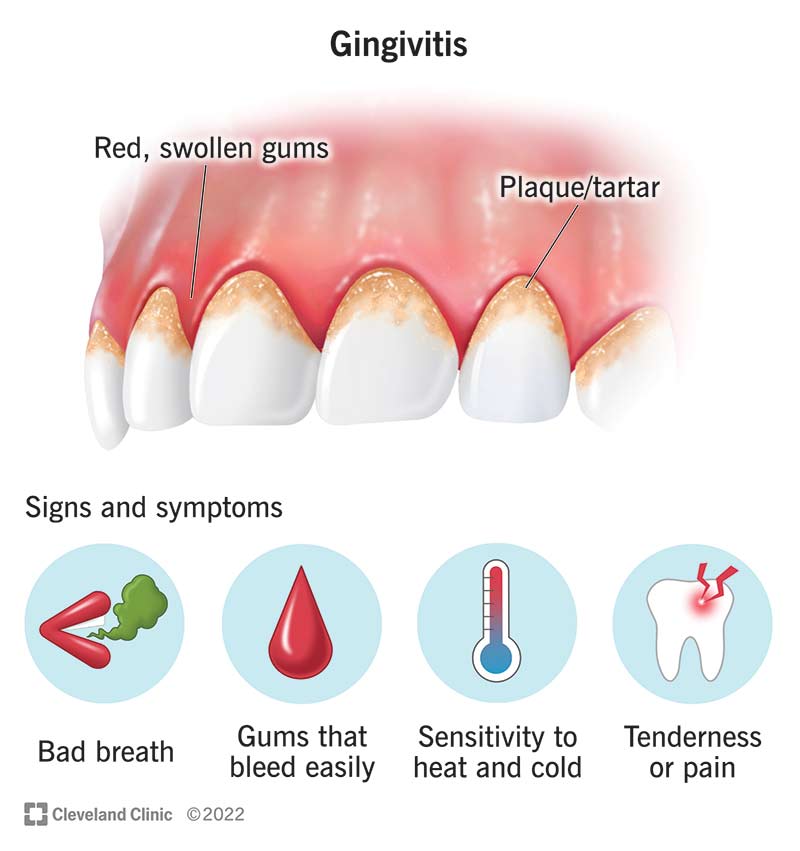
Soothe Your Gum Infection and Sensitive Teeth Naturally
A gum infection, or gingivitis, coupled with sensitive teeth, can be incredibly uncomfortable. The throbbing pain, bleeding gums, and increased sensitivity to hot and cold foods and drinks make even simple tasks challenging. While professional dental care is crucial for managing gum disease, several natural remedies can offer soothing relief and support your healing process. Remember, these remedies are complementary and should not replace a visit to your dentist. Let's explore some effective and gentle ways to ease your discomfort.
Understanding the Problem: Gum Infection and Sensitivity
Sensitive teeth often accompany gum infections. Bacteria build up along the gum line, causing inflammation and infection. This inflammation can irritate the nerve endings in your teeth, making them hypersensitive to temperature changes, pressure, and even air. The underlying cause is usually poor oral hygiene, leading to plaque buildup that hardens into tartar. Tartar irritates the gums, triggering inflammation and potentially receding gums, exposing the dentin (the layer beneath the enamel) which is more sensitive. Addressing both the infection and sensitivity is key for complete relief.
Natural Remedies for Relief
Saltwater Rinse: A Simple, Effective Solution
A saltwater rinse is a time-tested remedy for soothing inflamed gums. The salt's antibacterial properties help fight infection, while the water gently cleanses the area. To prepare a saltwater rinse, dissolve ½ to ¾ teaspoon of salt in a glass of warm water. Swish the solution gently around your mouth for about 30-60 seconds, then spit it out. Repeat this several times a day, particularly after meals. Avoid vigorously swishing, as this can irritate your gums further.
Hydrogen Peroxide Rinse: A Powerful Antiseptic
Hydrogen peroxide possesses powerful antiseptic properties that can effectively combat gum infection. However, it’s crucial to use a diluted solution. Mix equal parts of 3% hydrogen peroxide and water. Gently swish this mixture in your mouth for 30 seconds, then thoroughly rinse with plain water. Never swallow the solution. Use this rinse only once or twice a day, as excessive use can damage your oral tissues. Consult your dentist before using hydrogen peroxide, especially if you have any underlying health conditions.
Aloe Vera: Nature's Soothing Agent
Known for its anti-inflammatory and healing properties, aloe vera gel can provide soothing relief from gum inflammation and pain. Apply a small amount of pure aloe vera gel directly to your affected gums. Gently massage it in, ensuring contact with the inflamed areas. Allow the gel to sit for a few minutes before rinsing your mouth with water. You can find aloe vera gel in most health food stores or pharmacies.
Clove Oil: A Natural Analgesic and Antiseptic
Clove oil has long been used for its analgesic and antiseptic properties. It contains eugenol, a potent compound that effectively numbs pain and fights bacteria. Dilute a drop or two of clove oil with a tablespoon of olive or coconut oil (this is crucial to avoid burning your gums). Apply a small amount of this mixture directly to the infected area using a cotton swab. Use sparingly, as clove oil can be quite potent.
Lifestyle Changes for Long-Term Oral Health
While these natural remedies offer immediate relief, maintaining good oral hygiene is vital for preventing future infections and sensitivity. Consider these important steps:
- Brush your teeth twice a day with a soft-bristled toothbrush.
- Floss daily to remove plaque and food particles from between your teeth.
- Use a fluoride toothpaste to strengthen your enamel and protect against sensitivity.
- Maintain a balanced diet low in sugary and acidic foods and drinks.
- Quit smoking, as smoking significantly increases your risk of gum disease.
- Visit your dentist for regular check-ups and professional cleanings.
Remember, while natural remedies can provide significant relief, they are not a substitute for professional dental care. If your gum infection persists or worsens, or if you experience severe pain or swelling, consult your dentist immediately. Early intervention is crucial in preventing serious complications.
The Role of Probiotics in Promoting Healthy Gums for Older Adults

The Role of Probiotics in Promoting Healthy Gums for Older Adults
Periodontal disease, encompassing gingivitis and periodontitis, poses a significant threat to the oral health and overall well-being of older adults. Characterized by inflammation and progressive destruction of the supporting structures of the teeth, periodontal disease is prevalent among this population, often exacerbated by age-related physiological changes and concomitant health conditions. While conventional treatments such as scaling and root planing remain cornerstones of periodontal management, increasing research suggests a promising adjuvant therapy: probiotics. This article explores the potential benefits of probiotic supplementation in promoting healthy gums and mitigating periodontal disease in older adults, examining the underlying mechanisms, existing evidence, and future directions of this burgeoning field.
The Prevalence and Impact of Periodontal Disease in Older Adults
Periodontal disease is not merely an aesthetic concern; it is a chronic inflammatory condition linked to systemic diseases, including cardiovascular disease, diabetes, respiratory infections, and even certain cancers. The prevalence of periodontal disease increases with age, with a significant proportion of older adults exhibiting moderate to severe forms of the disease. This higher prevalence is attributable to several factors:
Age-Related Physiological Changes
The aging process itself contributes to increased susceptibility to periodontal disease. Reduced saliva production (xerostomia) leads to a less effective oral cleansing mechanism, creating an environment conducive to bacterial proliferation. Decreased immune function with age compromises the body's ability to effectively combat periodontal pathogens. Furthermore, age-related changes in gingival tissue can increase vulnerability to inflammation and infection.
Comorbidities and Medications
Older adults often manage multiple comorbidities, including diabetes, cardiovascular disease, and autoimmune disorders. These conditions can directly or indirectly influence periodontal health. For example, poorly controlled diabetes compromises immune function and increases susceptibility to infections, including periodontal disease. Moreover, certain medications, such as immunosuppressants and those with anticholinergic effects, can further impair oral health and contribute to the development or worsening of periodontal disease.
Reduced Access to Dental Care
Access to regular dental care can be challenging for older adults due to financial constraints, mobility limitations, or lack of transportation. Delayed or inadequate treatment can lead to the progression of periodontal disease to more severe stages, necessitating more extensive and potentially costly interventions.
The Mechanism of Action: How Probiotics Benefit Gum Health
Probiotics, defined as live microorganisms that confer a health benefit on the host when administered in adequate amounts, have emerged as a potential therapeutic strategy for various conditions, including periodontal disease. Their beneficial effects are mediated through several mechanisms:
Competitive Exclusion
Probiotic bacteria compete with periodontal pathogens for adhesion sites on the tooth surface and gingival epithelium, thereby preventing the colonization and growth of harmful bacteria. This competitive exclusion reduces the bacterial load and minimizes the production of virulence factors that contribute to periodontal inflammation.
Production of Antimicrobial Substances
Many probiotic strains produce antimicrobial substances, such as bacteriocins and organic acids, which inhibit the growth of periodontal pathogens. These substances can directly kill or suppress the growth of harmful bacteria, contributing to a healthier oral microbiome.
Modulation of the Immune Response
Probiotics can modulate the host immune response by influencing the balance of pro- and anti-inflammatory cytokines. They can downregulate pro-inflammatory responses, reducing inflammation and tissue destruction associated with periodontal disease. Furthermore, probiotics can enhance the activity of immune cells involved in combating periodontal pathogens.
Improvement of Salivary Composition
Some studies suggest that probiotics can improve the composition and function of saliva, enhancing its protective role in maintaining oral health. Improved salivary flow and a more balanced salivary microbiome contribute to a less hospitable environment for periodontal pathogens.
Evidence Supporting the Use of Probiotics in Older Adults
While research on the efficacy of probiotics in periodontal disease is ongoing, a growing body of evidence supports their potential benefits, particularly in older adults. Several studies have demonstrated a reduction in periodontal pathogens, gingival inflammation, and bleeding on probing after probiotic intervention. However, the findings have been inconsistent across studies, highlighting the need for larger, well-designed clinical trials.
Factors contributing to the inconsistent findings include variations in probiotic strains used, differences in study designs and methodologies, and the diversity of periodontal disease severity among participants. Furthermore, the optimal dosage, duration of treatment, and delivery methods of probiotics for periodontal disease management require further investigation.
Challenges and Future Directions
Despite the promising potential, several challenges remain in translating the use of probiotics into routine clinical practice for the management of periodontal disease in older adults:
Conclusion
Probiotics hold considerable promise as an adjuvant therapy for the management of periodontal disease in older adults. Their ability to modulate the oral microbiome, reduce inflammation, and enhance immune function makes them an attractive option for improving periodontal health in this vulnerable population. However, further research is essential to address the existing challenges and to develop evidence-based guidelines for the clinical use of probiotics in this context. Larger, well-designed clinical trials are needed to confirm the efficacy and safety of specific probiotic strains in older adults with varying degrees of periodontal disease severity. The integration of probiotics into comprehensive periodontal management strategies may contribute significantly to improving oral health and overall well-being among older adults.
How to Improve Gum Health Naturally: 10 Easy and Safe Solutions

How to Improve Gum Health Naturally: 10 Easy and Safe Solutions
Hey everyone! Let's talk about something super important â€" your gums! Healthy gums are crucial for a healthy mouth, and honestly, a healthy body overall. We often focus on our teeth, but neglecting our gums can lead to serious problems down the line. So, let's dive into some easy, natural ways to give your gums the TLC they deserve. No fancy products or expensive treatments needed â€" just some simple lifestyle changes and habits.1. Master the Art of Brushing and Flossing
Okay, this might sound obvious, but it's the foundation of good gum health. We're not just talking about a quick swipe; we're talking about a mindful, thorough cleaning.The Brushing Breakdown:
Aim for at least two minutes, twice a day, using a soft-bristled toothbrush. Gentle, circular motions are key â€" avoid aggressive scrubbing that can irritate your gums. Don't forget to brush your tongue too! Bacteria love to hang out there, contributing to bad breath and gum inflammation.
Flossing â€" Your Gum's Best Friend:
Flossing is just as important as brushing! It removes plaque and food particles from between your teeth where your toothbrush can't reach. Use gentle, curving motions, and don't be afraid to get a little floss underneath the gumline (gently!). If you're new to flossing, it might feel a little awkward at first, but you'll get the hang of it.
2. The Power of Oil Pulling
This ancient Ayurvedic technique involves swishing oil around in your mouth for a few minutes. Many believe it helps to draw out bacteria and toxins, promoting healthier gums.How to Oil Pull:
Simply swish about a tablespoon of coconut oil (or sesame oil) in your mouth for 15-20 minutes. Then, spit it out into the trash (don't spit it in the sink, as it can clog your pipes!). Rinse your mouth with water and brush your teeth.
Important Note: While many people find oil pulling beneficial, there isn't extensive scientific evidence to support all its claims. It's a good supplementary practice, but it shouldn't replace regular brushing and flossing.
3. Embrace the Goodness of Vitamin C
Vitamin C is a powerful antioxidant that plays a vital role in collagen production. Collagen is essential for healthy gums, as it helps to keep them strong and resilient.Boosting your Vitamin C:
Include plenty of citrus fruits, berries, peppers, and leafy greens in your diet. If you're concerned about your Vitamin C intake, talk to your doctor about supplementation.
4. Hydration is Key
Staying well-hydrated is crucial for overall health, including gum health. Water helps to wash away food particles and bacteria, reducing the risk of plaque buildup and gum inflammation.Drink Up!:
Aim for at least eight glasses of water a day. Carry a reusable water bottle to help you stay on track.
5. Nutrient-Rich Diet: Fuel Your Gums
Just like the rest of your body, your gums need the right nutrients to thrive. A balanced diet rich in fruits, vegetables, and whole grains provides the essential vitamins and minerals your gums need.Focus on these nutrients:
6. Manage Stress Levels
Stress can wreak havoc on your overall health, including your gum health. Chronic stress can weaken your immune system, making you more susceptible to gum disease.Stress-busting strategies:
7. Quit Smoking (or Don't Start!)
Smoking is a major risk factor for gum disease. It reduces blood flow to the gums, making them more vulnerable to infection and inflammation.Seek Support if Needed:
If you smoke and want to quit, talk to your doctor or seek support from a smoking cessation program. It's one of the best things you can do for your overall health.
8. Regular Dental Checkups
Regular visits to your dentist are essential for maintaining good gum health. Your dentist can detect early signs of gum disease and provide professional cleaning and treatment.Schedule those appointments:
Aim for at least two checkups a year.
9. Consider a Gum Massage Gently massaging your gums can improve blood circulation and promote healing. How to massage your gums:
Use your fingertip to gently massage your gums in circular motions. Be gentle! You shouldn't feel any pain.
10. Aloe Vera for Soothing Irritated Gums
Aloe vera has anti-inflammatory and soothing properties that can help to alleviate gum irritation.Using Aloe Vera:
You can apply aloe vera gel directly to your gums a couple of times a day. Look for pure aloe vera gel without added ingredients.
Commonly Asked Questions
Q: My gums bleed when I brush. Is this normal?
A: No, bleeding gums are usually a sign of gum inflammation (gingivitis). It's important to see your dentist to get it checked out.
Q: What are the signs of gum disease?
A: Signs of gum disease include bleeding gums, red or swollen gums, persistent bad breath, receding gums, and loose teeth.
Q: Can I prevent gum disease?
A: Absolutely! By following the tips outlined above â€" maintaining good oral hygiene, eating a healthy diet, managing stress, and getting regular dental checkups â€" you can significantly reduce your risk of gum disease.
Q: How long does it take to see improvements in gum health?
A: You might start to notice improvements within a few weeks of adopting better oral hygiene habits, but it's a long-term commitment. Consistency is key!
Remember, maintaining good gum health is a journey, not a destination. By incorporating these simple, natural solutions into your daily routine, you can enjoy a healthier, happier smile for years to come! If you have any concerns about your gum health, always consult your dentist or doctor. They are the best resource for personalized advice and treatment.