Monday, February 3, 2025
The Benefits of Probiotic Supplements for Overall Oral Health

Unlocking a Healthier Smile: The Benefits of Probiotic Supplements for Oral Health
For centuries, people have sought ways to improve their oral health, moving beyond basic brushing and flossing. Now, a new player is stepping into the spotlight: probiotic supplements. These supplements, containing live microorganisms, offer a promising approach to bolstering your natural defenses against harmful bacteria in your mouth, leading to a healthier, happier smile. This article delves into the exciting potential of probiotics for improving overall oral health, exploring how these tiny organisms can significantly impact your well-being.
The Oral Microbiome: A Delicate Balance
Your mouth isn't just a space for chewing and talking; it's a complex ecosystem teeming with bacteria. This collection of microorganisms, known as the oral microbiome, plays a crucial role in maintaining oral health. A balanced microbiome boasts beneficial bacteria that outcompete harmful strains, preventing the development of dental problems. However, disruptions to this delicate balance, caused by factors like poor diet, stress, or illness, can allow harmful bacteria to thrive, leading to problems like gingivitis, periodontitis, and even bad breath.
How Probiotics Tip the Scales in Your Favor
Probiotic supplements introduce beneficial bacteria directly into your system, helping to restore balance within the oral microbiome. These "good" bacteria compete with harmful bacteria for resources and space, effectively limiting their growth and preventing the damage they cause. This competition isn't just about space; certain probiotic strains produce substances that directly inhibit the growth of harmful bacteria, further strengthening your mouth's natural defenses.
Specific Probiotic Strains and Their Oral Health Benefits
While research is ongoing, several probiotic strains have shown promise in improving oral health. Lactobacillus and Bifidobacterium strains, commonly found in yogurt and other fermented foods, are among the most widely studied. These strains demonstrate the ability to reduce inflammation, inhibit the growth of Streptococcus mutans (a key culprit in cavities), and improve overall gum health. Further research continues to identify other beneficial strains and pinpoint their specific mechanisms of action.
Beyond Cavity Prevention: The Broader Impacts of Oral Probiotics
The benefits of oral probiotics extend beyond simply preventing cavities. Studies suggest a potential link between oral health and overall systemic health. Poor oral health has been associated with an increased risk of various health conditions, including cardiovascular disease and diabetes. By improving oral health through probiotics, we may indirectly contribute to a reduction in the risk of these systemic diseases. This connection underscores the importance of a holistic approach to health, recognizing the interconnectedness of various bodily systems.
Supporting a Healthy Mouth, Naturally
Incorporating probiotic supplements into your routine can be a valuable addition to your existing oral hygiene practices. Remember, probiotics are not a replacement for regular brushing, flossing, and dental checkups; rather, they act as a powerful complement. They provide an extra layer of defense, helping to maintain the balance of your oral microbiome and promoting a healthier, more resilient mouth. Before starting any new supplement regimen, consult your dentist or healthcare provider to ensure it's appropriate for your individual needs.
Choosing the Right Probiotic Supplement
The market for probiotic supplements is vast, so choosing the right one can feel overwhelming. Look for supplements that:
- Specify the strains included, ideally with documented research supporting their efficacy for oral health.
- List the colony-forming units (CFUs) per dose, indicating the number of live bacteria present.
- Are manufactured by a reputable company with quality control measures in place.
By making informed choices and incorporating probiotics into a comprehensive oral care routine, you can actively contribute to a healthier, brighter smile for years to come.

Best Probiotics for Improving Gum Health and Preventing Infections

Best Probiotics for Improving Gum Health and Preventing Infections
Gum disease, or periodontal disease, affects millions worldwide, ranging from mild gingivitis to severe periodontitis. Traditional treatments often focus on professional cleaning and antibiotics. However, a growing body of research highlights the significant role of probiotics in improving gum health and preventing infections. These beneficial bacteria, when consumed in sufficient quantities, can help restore the balance of the oral microbiome, combating harmful bacteria and reducing inflammation.
Understanding the Oral Microbiome and its Role in Gum Health
Your mouth is home to a complex ecosystem of bacteria, viruses, and fungi – your oral microbiome. A healthy balance between beneficial and harmful microbes is crucial for maintaining gum health. When this balance is disrupted, for example, by poor oral hygiene or a weakened immune system, harmful bacteria like Porphyromonas gingivalis can proliferate. These bacteria produce toxins that inflame the gums, leading to gingivitis and, if left untreated, periodontitis, which can cause tooth loss. Probiotics work by bolstering the beneficial bacteria in your mouth, creating a less hospitable environment for these harmful pathogens.
Specific Probiotic Strains for Gum Health
While research is ongoing, several probiotic strains have shown promise in improving gum health. It's important to note that not all probiotics are created equal; effectiveness depends on the specific strain, dosage, and formulation. Always consult with your dentist or doctor before starting any new probiotic regimen, particularly if you have underlying health conditions.
Lactobacillus strains
Several Lactobacillus strains, including Lactobacillus rhamnosus and Lactobacillus casei, have demonstrated anti-inflammatory effects and the ability to inhibit the growth of periodontal pathogens in laboratory studies and some clinical trials. These strains may help reduce inflammation and improve the overall oral environment.
Streptococcus strains
Certain Streptococcus strains, particularly Streptococcus salivarius K12, have been investigated for their potential to improve oral health. Studies suggest that these strains can help maintain a balanced oral microbiome and prevent the overgrowth of harmful bacteria. They achieve this by competing for resources and producing antimicrobial substances.
Bifidobacterium strains
Bifidobacterium strains are often found in commercially available probiotics. While more research is needed to specifically pinpoint their role in gum health, their general contribution to gut health and immune function may indirectly benefit oral health by strengthening the body's overall defense mechanisms against infections.
Beyond Probiotics: A Holistic Approach to Gum Health
While probiotics offer a promising avenue for enhancing gum health, they are not a standalone solution. Maintaining excellent oral hygiene remains paramount. This includes brushing twice daily with fluoride toothpaste, flossing regularly, and visiting your dentist for professional cleanings and checkups. A healthy diet, rich in fruits, vegetables, and whole grains, also supports overall health and can contribute to a robust immune system that fights off infections, including those affecting the gums.
In conclusion, probiotics, when used strategically and in conjunction with a comprehensive oral hygiene routine and healthy lifestyle, represent a significant addition to the armamentarium against gum disease. However, individual responses can vary, and consulting with your dentist or doctor before incorporating probiotics into your routine is crucial for personalized guidance and to rule out any potential interactions with existing medications or health conditions.
Sunday, February 2, 2025
The Top Nutrients Your Oral Microbiome Needs for Health
The Top Nutrients Your Oral Microbiome Needs for Health
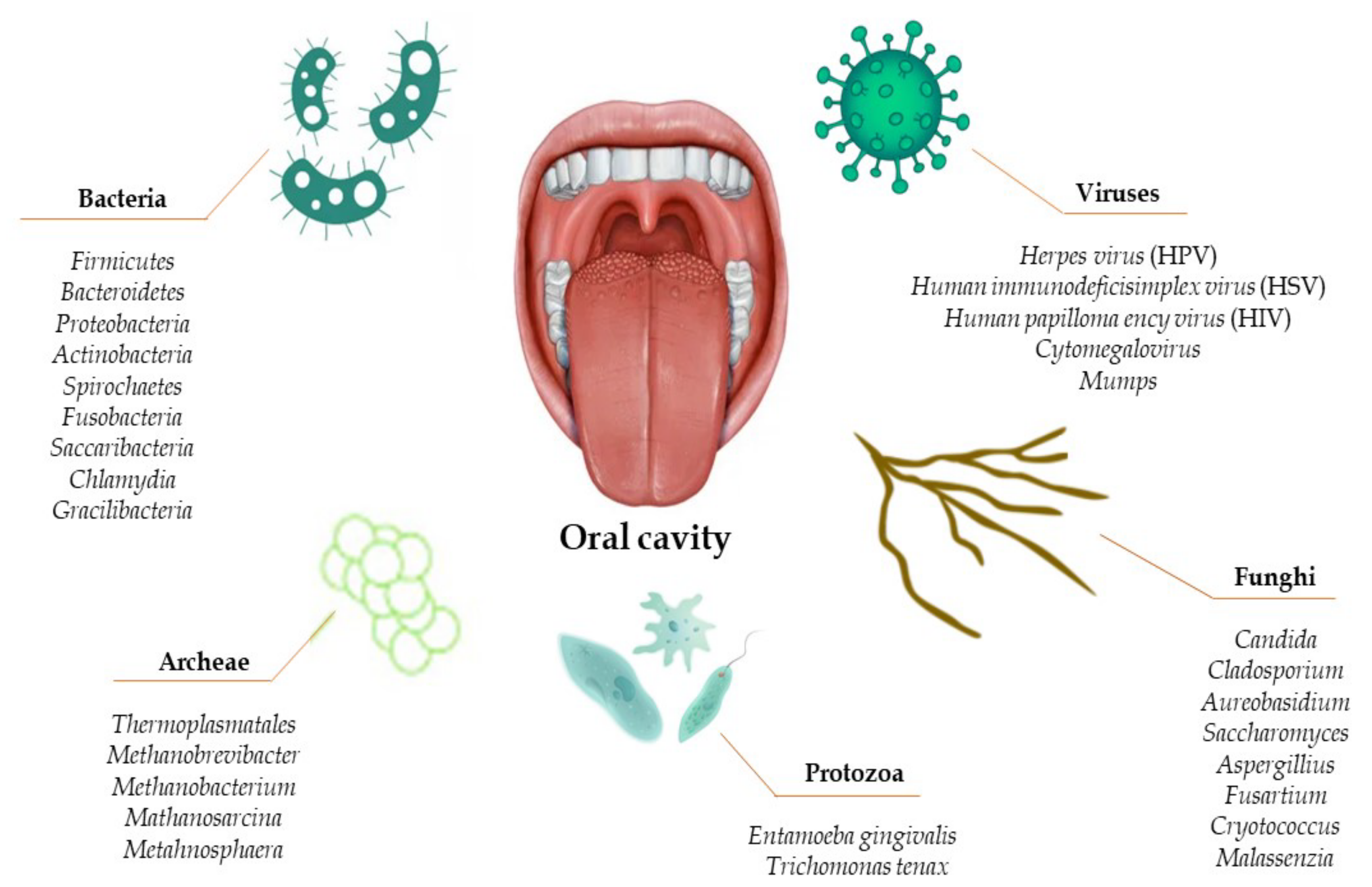
The oral microbiome, a complex ecosystem of microorganisms residing within the oral cavity, plays a pivotal role in maintaining overall oral and systemic health. A balanced and thriving oral microbiome contributes to effective immune function, preventing infections, and protecting against the development of various oral diseases, including caries (tooth decay), periodontal disease (gum disease), and halitosis (bad breath). However, the composition and functionality of this microbiome are significantly influenced by the nutrients it receives. A deficiency in essential nutrients can disrupt the delicate equilibrium, leading to dysbiosis—an imbalance in microbial populations—and a subsequent increase in the risk of oral diseases. This article will delve into the critical nutrients required for a healthy oral microbiome.
The Importance of a Balanced Oral Microbiome
The oral cavity is home to hundreds of bacterial species, as well as archaea, fungi, and viruses. These microorganisms interact dynamically with each other and with the host's tissues, forming a complex community. A healthy oral microbiome is characterized by a diverse range of species, with a prevalence of commensal (beneficial) bacteria that prevent the overgrowth of pathogenic (disease-causing) bacteria. These commensal bacteria contribute to various beneficial functions, including:
- Protection against pathogens: Commensal bacteria compete with pathogens for nutrients and attachment sites, preventing their colonization and proliferation.
- Immune system modulation: They help educate and train the immune system, promoting tolerance to harmless bacteria while maintaining responsiveness against pathogens.
- Metabolic functions: Certain bacteria participate in metabolic processes, such as nutrient metabolism and vitamin synthesis.
- Maintenance of oral tissue integrity: They contribute to the overall health and integrity of the oral mucosa and gingival tissues.
Dysbiosis, characterized by an imbalance in the microbial community, can lead to a shift towards pathogenic bacteria, increasing the susceptibility to various oral diseases. This shift is often triggered by several factors, including poor oral hygiene, a diet lacking essential nutrients, and systemic conditions.
Essential Nutrients for a Thriving Oral Microbiome
The health and balance of the oral microbiome heavily rely on the availability of specific nutrients. These nutrients are crucial for microbial growth, metabolic activity, and the maintenance of a diverse microbial community. The following nutrients are particularly important:
1. Vitamins
Several vitamins play crucial roles in maintaining a healthy oral microbiome. Vitamin B complex, including B1 (thiamine), B2 (riboflavin), B3 (niacin), B6 (pyridoxine), B9 (folate), and B12 (cobalamin), are essential for bacterial metabolism and the synthesis of various enzymes crucial for microbial function. Vitamin K is required for blood coagulation and wound healing, crucial for preventing bleeding and promoting tissue repair in the oral cavity. Vitamin D, while not directly involved in bacterial metabolism, has an indirect role in immune function, influencing the host's response to oral pathogens.
2. Minerals
Minerals are equally vital for the oral microbiome. Calcium and phosphorus are essential components of tooth enamel and dentin, contributing to dental structure and strength. Iron is a key element in many enzymes crucial for bacterial metabolism, oxygen transport, and overall cellular function. Zinc plays a critical role in immune function and wound healing, supporting the body's defense against oral infections. Magnesium, another essential mineral, is involved in numerous metabolic processes, contributing to the overall health and function of the oral microbiome.
3. Polyphenols
Beyond vitamins and minerals, dietary polyphenols from fruits, vegetables, and tea exhibit significant prebiotic effects on the oral microbiome. Polyphenols are bioactive compounds with potent antioxidant properties. They can selectively stimulate the growth of beneficial bacteria while inhibiting the growth of harmful bacteria. This selective modulation of microbial composition can help maintain a balanced and healthy oral microbiome. Different polyphenols offer different benefits; some might increase the concentration of beneficial bacteria, while others may decrease the levels of pathogens involved in gum disease or cavities.
4. Fiber
Dietary fiber, although not a nutrient in the strictest sense, is critical for maintaining gut health and indirectly impacts oral health. Fiber is primarily fermented by bacteria in the gut, producing short-chain fatty acids (SCFAs), such as butyrate, acetate, and propionate. While the exact mechanisms are still being explored, some evidence suggests SCFAs may exert beneficial effects on the oral microbiome, although more research is needed in this area. The relationship between gut and oral health is increasingly recognized, highlighting the importance of a balanced diet supporting both ecosystems.
Dietary Strategies to Support a Healthy Oral Microbiome
To foster a healthy and balanced oral microbiome, dietary strategies must focus on providing a diverse array of the aforementioned nutrients. This involves consuming a balanced diet rich in fruits, vegetables, whole grains, and lean proteins. Specific recommendations include:
- Increase consumption of fruits and vegetables rich in vitamins and polyphenols: Berries, leafy greens, and citrus fruits are excellent sources of vitamins and polyphenols beneficial for the oral microbiome.
- Include dairy products or fortified foods for calcium and vitamin D: These nutrients are essential for maintaining strong tooth enamel and supporting immune function.
- Choose whole grains over refined grains: Whole grains provide more fiber and nutrients than refined grains.
- Incorporate lean protein sources: Lean proteins provide essential amino acids for various metabolic processes.
- Limit sugary drinks and processed foods: These contribute to the overgrowth of harmful bacteria and increase the risk of dental caries.
- Stay adequately hydrated: Drinking plenty of water helps to rinse away food debris and bacteria, contributing to better oral hygiene.
Conclusion
The oral microbiome is a complex and dynamic ecosystem crucial for overall oral and systemic health. Providing the necessary nutrients through a well-balanced diet plays a crucial role in maintaining the equilibrium of this ecosystem. By ensuring adequate intake of vitamins, minerals, polyphenols, and fiber, we can support a thriving oral microbiome, reducing the risk of various oral diseases and contributing to improved overall health. Further research is needed to fully elucidate the intricate interactions between nutrition, the oral microbiome, and oral health, but the existing evidence strongly supports the importance of dietary interventions in promoting a healthy oral environment.
Why Probiotics Are Essential for Healthy Teeth and Gums

The Essential Role of Probiotics in Maintaining Oral Health
Maintaining optimal oral health is crucial for overall well-being. While diligent brushing and flossing are cornerstones of a robust oral hygiene regimen, emerging research increasingly highlights the significant contribution of probiotics to the preservation of healthy teeth and gums. This article will explore the multifaceted mechanisms through which probiotics exert their beneficial effects on the oral microbiome, ultimately contributing to the prevention and treatment of various oral diseases.
Understanding the Oral Microbiome and its Dysbiosis
The human mouth harbors a complex and dynamic ecosystem of microorganisms, collectively known as the oral microbiome. This intricate community comprises bacteria, archaea, fungi, viruses, and protozoa, interacting in a delicate balance. A healthy oral microbiome is characterized by a diverse range of microbial species, with a predominance of commensal bacteria that contribute to maintaining oral homeostasis. These beneficial microbes perform vital functions, including:
- Protecting against the colonization of pathogenic bacteria.
- Producing antimicrobial substances that inhibit the growth of harmful microorganisms.
- Stimulating the host immune system to maintain oral tissue integrity.
- Facilitating nutrient metabolism and the production of essential vitamins.
However, disruptions to this delicate balance, termed dysbiosis, can lead to a cascade of negative consequences. Dysbiosis is often characterized by a shift in microbial composition, with an overgrowth of pathogenic or opportunistic bacteria. Factors contributing to oral dysbiosis include poor oral hygiene, dietary habits, systemic diseases, and the use of certain medications. This imbalance can manifest in a variety of oral diseases, including:
- Dental caries (tooth decay)
- Gingivitis (gum inflammation)
- Periodontitis (severe gum disease)
- Oral thrush (candidiasis)
The Mechanisms of Probiotic Action in Oral Health
Probiotics, defined as live microorganisms that confer a health benefit on the host when administered in adequate amounts, offer a promising approach to modulating the oral microbiome and preventing or treating oral diseases. Their beneficial effects are mediated through several key mechanisms:
Competitive Exclusion and Inhibition of Pathogens
Probiotic bacteria effectively compete with pathogenic bacteria for binding sites on the tooth surface and mucosal lining. By occupying these sites, probiotics prevent the colonization and subsequent proliferation of harmful microorganisms. This competitive exclusion is a crucial mechanism by which probiotics prevent the establishment of dental plaque and the development of caries.
Production of Antimicrobial Substances
Many probiotic strains produce antimicrobial substances, such as bacteriocins, hydrogen peroxide, and organic acids, that inhibit the growth of pathogenic bacteria. These substances target specific pathogenic species, effectively reducing their numbers and preventing their harmful effects on oral tissues. For instance, certain strains of Lactobacillus and Streptococcus species produce lactic acid, which lowers the pH in the oral cavity, creating an environment unfavorable to acidogenic bacteria responsible for tooth decay.
Modulation of the Immune Response
Probiotics can interact with the host immune system, influencing both the innate and adaptive immune responses. They stimulate the production of antimicrobial peptides and cytokines, enhancing the body's natural defense mechanisms against invading pathogens. Furthermore, probiotics can modulate the inflammatory response, reducing the severity of gum inflammation associated with gingivitis and periodontitis. This immunomodulatory effect contributes to the maintenance of tissue integrity and the prevention of disease progression.
Enhancement of Saliva Composition
Saliva plays a critical role in maintaining oral health by acting as a natural buffering agent, washing away food debris, and providing antimicrobial factors. Certain probiotics can enhance the composition and function of saliva, improving its protective effects. For example, some probiotic strains increase the production of salivary immunoglobulin A (IgA), an antibody that plays a vital role in mucosal immunity.
Specific Probiotic Strains and their Oral Health Benefits
While research is ongoing to identify the most effective probiotic strains for oral health, several species have demonstrated promising results:
- Lactobacillus reuteri: This strain exhibits potent antimicrobial activity against various oral pathogens and has shown efficacy in reducing plaque formation and gingivitis.
- Lactobacillus rhamnosus: Studies suggest that this probiotic can help reduce the severity of periodontal disease by modulating the inflammatory response.
- Streptococcus salivarius K12: This strain produces bacteriocins that inhibit the growth of Streptococcus mutans, a key bacterium responsible for dental caries.
- Weissella cibaria: This strain demonstrates potential in reducing the incidence of oral candidiasis.
It's important to note that the efficacy of different probiotic strains can vary depending on factors such as the specific strain, dosage, delivery method, and individual host characteristics.
Probiotic Delivery Methods and Considerations
Probiotics for oral health can be administered through various methods, including:
- Oral lozenges or tablets: These provide a convenient and targeted delivery method, ensuring that the probiotics reach the oral cavity directly.
- Mouthwashes: Probiotic mouthwashes offer a readily accessible way to supplement oral hygiene practices.
- Gels or pastes: Topical application of probiotic gels or pastes can promote localized effects on the gums and teeth.
The optimal delivery method and dosage will depend on the specific probiotic strain and the targeted oral condition. Furthermore, it is crucial to select high-quality probiotic products that have undergone rigorous testing to ensure their viability and purity. Consultation with a dental professional or healthcare provider is recommended before incorporating probiotics into an oral health regimen, particularly for individuals with underlying health conditions or who are taking medications that may interact with probiotics.
Conclusion
The emerging evidence strongly suggests that probiotics play a crucial role in maintaining a healthy oral microbiome and preventing or treating various oral diseases. By competitively excluding pathogens, producing antimicrobial substances, modulating the immune response, and enhancing salivary function, probiotics contribute significantly to the preservation of healthy teeth and gums. While further research is needed to fully elucidate the mechanisms of action and optimize probiotic formulations, the incorporation of appropriate probiotic strains into comprehensive oral hygiene strategies holds significant promise for improving overall oral health and well-being.
The Best Natural Solutions for Toothaches and Gum Pain

The Best Natural Solutions for Toothaches and Gum Pain
Dental pain, encompassing both toothaches and gum pain, can be debilitating, impacting daily life and overall well-being. While immediate professional dental care is crucial for diagnosis and treatment of underlying issues, several natural remedies can offer temporary relief and potentially contribute to long-term oral health. This article explores a range of natural solutions, emphasizing their mechanisms of action and potential benefits, while acknowledging the limitations and the importance of consulting a dentist for definitive treatment.
Understanding the Causes of Toothaches and Gum Pain
Before delving into natural remedies, it's vital to understand the potential root causes of toothaches and gum pain. These can range from relatively minor issues to serious conditions requiring professional intervention.
Causes of Toothaches:
- Cavities (Dental Caries): Bacterial decay erodes tooth enamel, leading to pain, sensitivity, and potential infection.
- Abscesses: A pus-filled pocket forms at the root of a tooth due to infection, causing intense throbbing pain.
- Cracked or Broken Teeth: Physical damage exposes the sensitive dentin, resulting in pain, especially when chewing or biting.
- Gum Disease (Gingivitis/Periodontitis): Inflammation and infection of the gums can spread to the tooth roots, causing pain and loosening of teeth.
- Temporomandibular Joint (TMJ) Disorders: Problems with the jaw joint can radiate pain to the teeth and surrounding areas.
- Sinus Infections: Inflammation in the sinuses can sometimes refer pain to the upper teeth.
Causes of Gum Pain:
- Gingivitis: Inflammation of the gums, often characterized by redness, swelling, and bleeding.
- Periodontitis: A more advanced form of gum disease, involving bone loss and potential tooth loss.
- Aggressive Brushing or Flossing: Overzealous oral hygiene can irritate gums.
- Dental Procedures: Post-procedure inflammation and irritation are common.
- Certain Medications: Some medications can have gum-related side effects.
It is crucial to understand that while natural remedies can provide temporary relief, they do not address the underlying cause. A visit to the dentist is essential for accurate diagnosis and appropriate treatment.
Natural Remedies for Toothaches and Gum Pain
Numerous natural remedies have been used for centuries to alleviate toothaches and gum pain. These remedies often work by reducing inflammation, numbing the affected area, or possessing antimicrobial properties.
Saltwater Rinse:
A simple and effective remedy involves rinsing the mouth with warm saltwater. The salt's antimicrobial properties help fight infection, while the warmth soothes inflamed gums. Dissolve 1/2 to 3/4 teaspoon of salt in a glass of warm water and rinse gently for 30-60 seconds several times a day.
Clove Oil:
Clove oil contains eugenol, a natural anesthetic and antimicrobial agent. Applying a small amount of clove oil directly to the affected tooth using a cotton swab can provide temporary pain relief. However, use with caution as it can irritate the gums if overused.
Hydrogen Peroxide Rinse:
Diluted hydrogen peroxide can act as a mild antiseptic, helping to reduce inflammation and kill bacteria. Mix equal parts hydrogen peroxide (3%) and water. Rinse gently for 30 seconds, then rinse thoroughly with plain water. Do not swallow. Excessive use can damage gum tissue.
Cold Compress:
Applying a cold compress to the affected area can help reduce swelling and numb the pain. Wrap an ice pack in a thin towel and apply for 15-20 minutes at a time, several times a day.
Tea Bags:
Used tea bags, particularly chamomile or black tea, can provide soothing relief. The tannins in tea have astringent properties, reducing inflammation. Allow a used tea bag to cool slightly, then apply it directly to the affected area for 15-20 minutes.
Garlic:
Garlic possesses potent antimicrobial properties. Crushing a clove of garlic and applying it to the affected area may help fight infection. However, the strong taste and potential for irritation limit its appeal to some individuals.
Turmeric:
Turmeric contains curcumin, a powerful anti-inflammatory compound. Mixing turmeric powder with a little water to form a paste and applying it to the affected area may provide some relief. However, the staining potential should be considered.
Guava Leaves:
Guava leaves possess anti-inflammatory and antibacterial properties. Chewing on guava leaves or rinsing with a guava leaf infusion may offer some relief. However, scientific evidence supporting this remedy is limited.
Dietary Considerations and Oral Hygiene
Maintaining optimal oral hygiene is crucial in preventing and managing toothaches and gum pain. Regular brushing (twice daily with fluoride toothpaste), flossing, and professional dental cleanings are essential. Dietary changes can also significantly contribute to oral health.
- Reduce Sugar Intake: Sugar feeds bacteria that contribute to cavities.
- Increase Consumption of Calcium-Rich Foods: Calcium strengthens teeth and bones.
- Eat a Balanced Diet: A nutritious diet supports overall health, including oral health.
- Stay Hydrated: Drinking plenty of water helps wash away food particles and bacteria.
When to Seek Professional Dental Care
While natural remedies can provide temporary relief, they are not a substitute for professional dental care. Seek immediate professional help if:
- The pain is severe or persistent.
- There is swelling or redness around the affected area.
- You have a fever or other systemic symptoms.
- There is noticeable bleeding from the gums.
- You experience difficulty opening or closing your mouth.
- A tooth is visibly broken or damaged.
Early diagnosis and treatment of dental problems are crucial in preventing complications and preserving oral health. Natural remedies can complement professional care but should never replace it.
How to Relieve Painful Gums with Baking Soda and Echinacea

Alleviating Gingival Pain: A Synergistic Approach Utilizing Baking Soda and Echinacea
Gingival inflammation, commonly known as gum disease or gingivitis, presents a prevalent oral health concern affecting a significant portion of the global population. Characterized by redness, swelling, bleeding, and pain, it necessitates prompt and effective intervention to prevent its progression into more severe periodontal diseases. While professional dental care remains paramount, complementary therapies employing natural agents like baking soda and echinacea offer potential adjunctive relief from the associated discomfort. This article explores the mechanisms by which these agents may alleviate gingival pain and provides guidance on their safe and effective application.
The Role of Baking Soda in Gingival Health
Baking soda, chemically known as sodium bicarbonate (NaHCO₃), possesses inherent properties that contribute to its efficacy in managing gingival inflammation. Its alkaline nature helps neutralize the acidic environment created by plaque buildup, a primary instigator of gum disease. The accumulation of plaque leads to the proliferation of harmful bacteria that produce acids, eroding tooth enamel and triggering an inflammatory response in the gums. By counteracting this acidity, baking soda effectively mitigates a crucial factor contributing to gingival discomfort.
Neutralizing Oral Acidity
The pH balance within the oral cavity is crucial for maintaining optimal oral health. A shift towards acidity, often induced by dietary habits and bacterial activity, compromises the integrity of tooth enamel and promotes inflammation. Baking soda, with its alkaline pH, acts as a buffer, neutralizing the excess acidity and thereby reducing the irritation and pain associated with inflamed gums.
Abrasive Properties and Plaque Removal
While gentle application is crucial, baking soda's mild abrasive properties contribute to the removal of plaque and food debris that accumulate along the gum line. This mechanical action aids in reducing bacterial load and minimizing the inflammatory response, ultimately alleviating gingival pain. It is important to note, however, that excessive abrasion can damage tooth enamel; therefore, a cautious and controlled approach is recommended.
Antimicrobial Effects
Recent research suggests that baking soda may exhibit certain antimicrobial properties, although this is not its primary mechanism of action in this context. Some studies indicate that it can inhibit the growth of certain pathogenic bacteria associated with gum disease. This effect, when combined with its plaque-removing capabilities, contributes to a more holistic approach to managing gingival inflammation.
Echinacea: An Immunomodulatory Agent for Gum Health
Echinacea, a genus of flowering plants belonging to the daisy family, has a long history of use in traditional medicine, notably for its immune-boosting properties. Its efficacy in managing inflammation is particularly relevant in the context of gingival disease. Echinacea's mechanism of action involves stimulating the body's immune response to combat infections and reduce inflammation.
Stimulating Immune Response
Echinacea contains various bioactive compounds, including polysaccharides, alkylamides, and caffeic acid derivatives, which collectively modulate the immune system. These compounds can enhance the activity of immune cells, such as macrophages and neutrophils, which play a crucial role in eliminating pathogens and clearing inflammatory debris. By bolstering the body's natural defenses, echinacea can contribute to faster resolution of gingival inflammation and pain relief.
Anti-inflammatory Properties
Beyond its immunomodulatory effects, echinacea demonstrates inherent anti-inflammatory properties. It can reduce the production of inflammatory mediators, such as cytokines and prostaglandins, which contribute significantly to the swelling, redness, and pain associated with gum disease. This reduction in inflammation translates directly into relief from gingival discomfort.
Antioxidant Activity
Echinacea also possesses antioxidant activity, protecting cells from damage caused by oxidative stress. Oxidative stress is a contributing factor in many inflammatory conditions, including gum disease. By scavenging free radicals, echinacea contributes to maintaining the integrity of gingival tissues and promoting healing.
Combining Baking Soda and Echinacea for Synergistic Effects
While both baking soda and echinacea offer distinct benefits in managing gingival inflammation, their combined application holds potential for synergistic effects. The alkaline nature of baking soda creates a favorable environment for the action of echinacea, potentially enhancing its efficacy. Furthermore, the reduction in bacterial load achieved by baking soda's abrasive and antimicrobial properties allows echinacea to focus on modulating the immune response and promoting healing without the interference of excessive bacterial presence.
Methods of Application
A simple and effective approach involves creating a mixture of baking soda and echinacea extract. A small amount of baking soda (approximately 1/2 teaspoon) can be mixed with a few drops of echinacea tincture or extract. This mixture can then be gently applied to the affected gums using a soft-bristled toothbrush or a clean fingertip. Avoid forceful scrubbing, as this can cause further irritation. Rinse the mouth thoroughly with water afterward. This procedure can be repeated once or twice daily, as needed.
Precautions and Considerations
Disclaimer: This information is intended for educational purposes only and does not constitute medical advice. Always consult with a qualified healthcare professional before starting any new treatment, especially if you have pre-existing medical conditions or are taking medications.
In conclusion, while baking soda and echinacea offer potential adjunctive benefits in alleviating gingival pain, they should be considered complementary therapies to professional dental care. Regular dental checkups and consistent oral hygiene practices remain critical for maintaining optimal oral health and preventing the progression of gum disease.
Understanding the Role of Probiotics in Oral Health Management

Understanding the Role of Probiotics in Oral Health Management
The oral cavity, while seemingly a simple anatomical structure, is a complex ecosystem teeming with a diverse microbial community. Maintaining a balanced and healthy oral microbiota is crucial for preventing the development of various oral diseases, including dental caries (cavities), periodontal disease (gum disease), and halitosis (bad breath). In recent years, there has been increasing interest in the therapeutic potential of probiotics as a novel approach to oral health management. This article will delve into the intricate relationship between probiotics and oral health, exploring their mechanisms of action, clinical applications, and future research directions.
The Oral Microbiome and its Dysbiosis
The oral microbiome, the collection of microorganisms residing in the oral cavity, comprises bacteria, archaea, fungi, viruses, and protozoa. This complex community exists in a delicate equilibrium, with beneficial microorganisms outcompeting potentially pathogenic ones. However, various factors can disrupt this balance, leading to a condition known as dysbiosis. This imbalance can manifest in an overgrowth of harmful bacteria, such as Streptococcus mutans (associated with caries) and Porphyromonas gingivalis (linked to periodontitis).
Factors Contributing to Oral Dysbiosis
Several factors contribute to the disruption of the oral microbiome's homeostasis. These include:
- Poor oral hygiene: Inadequate brushing and flossing allow bacterial biofilms to accumulate, leading to inflammation and infection.
- Diet: A diet high in refined sugars and carbohydrates provides readily available substrates for cariogenic bacteria, promoting their growth and acid production.
- Smoking: Smoking alters the oral environment, reducing saliva flow and increasing the risk of periodontal disease.
- Systemic diseases: Conditions like diabetes and HIV can weaken the immune system, increasing susceptibility to oral infections.
- Medication: Certain medications, such as antibiotics, can disrupt the balance of the oral microbiome, leading to dysbiosis.
Probiotics: Definition and Mechanisms of Action
Probiotics are defined by the World Health Organization (WHO) as "live microorganisms which, when administered in adequate amounts, confer a health benefit on the host." In the context of oral health, probiotics are primarily bacteria that, when ingested or applied topically, can modulate the composition and activity of the oral microbiome, promoting a healthier environment.
Mechanisms of Action in Oral Health
Probiotics exert their beneficial effects through various mechanisms, including:
- Competitive exclusion: Probiotic bacteria compete with pathogenic bacteria for nutrients and adhesion sites on the tooth surface and oral mucosa, thereby limiting their colonization and growth.
- Production of antimicrobial substances: Many probiotic strains produce bacteriocins, hydrogen peroxide, and organic acids that inhibit the growth of pathogenic bacteria.
- Modulation of the immune response: Probiotics can interact with the host's immune system, stimulating the production of antimicrobial peptides and cytokines, enhancing the immune response against pathogenic bacteria.
- Enhancement of saliva properties: Some probiotics can increase salivary flow and alter the composition of saliva, creating a less hospitable environment for pathogenic bacteria.
- Regulation of biofilm formation: Probiotics can interfere with the formation and maturation of bacterial biofilms, reducing the accumulation of pathogenic bacteria.
Clinical Applications of Probiotics in Oral Health
The use of probiotics in oral health management is a relatively new field, but numerous studies have shown promising results in various clinical applications. However, it's crucial to acknowledge that research is ongoing, and the evidence base is still developing.
Probiotics for the Prevention and Treatment of Dental Caries
Several studies have investigated the use of probiotics, particularly strains of Lactobacillus and Streptococcus, in the prevention and treatment of dental caries. These strains can inhibit the growth of Streptococcus mutans and reduce acid production, potentially decreasing the risk of cavity formation. Delivery methods include chewing gums, lozenges, and mouthwashes containing live probiotic bacteria.
Probiotics for the Management of Periodontal Disease
Periodontitis, a chronic inflammatory disease affecting the supporting tissues of the teeth, is associated with dysbiosis of the oral microbiome. Probiotics, such as Lactobacillus and Bifidobacterium strains, have demonstrated potential in reducing gingival inflammation and improving periodontal parameters. However, the effectiveness of probiotics in treating established periodontal disease remains under investigation.
Probiotics for Halitosis Management
Halitosis, or bad breath, is often caused by volatile sulfur compounds (VSCs) produced by anaerobic bacteria in the oral cavity. Some probiotic strains have shown the ability to reduce VSC production, potentially improving breath odor. Further research is needed to establish the long-term efficacy and clinical relevance of probiotics in halitosis management.
Challenges and Future Directions
Despite the promising potential of probiotics in oral health, several challenges remain:
- Strain specificity: The efficacy of probiotics is highly strain-specific, meaning that not all probiotic strains are equally effective in modulating the oral microbiome.
- Delivery systems: Developing effective and stable delivery systems for probiotics in the oral cavity is crucial to ensure their viability and efficacy.
- Standardization: Lack of standardization in probiotic products makes it difficult to compare the results of different studies and to ensure the quality and consistency of probiotic preparations.
- Long-term effects: Long-term studies are needed to evaluate the long-term effects of probiotic interventions on oral health.
- Interactions with other treatments: Further research is necessary to understand the interactions between probiotics and other oral health interventions, such as antibiotics and fluoride treatments.
Future research should focus on identifying highly effective probiotic strains, developing innovative delivery systems, and conducting large-scale, well-designed clinical trials to fully evaluate the therapeutic potential of probiotics in oral health management. Personalized approaches, tailored to the individual's oral microbiome profile, may also play a crucial role in maximizing the effectiveness of probiotic interventions. The integration of genomics, metabolomics, and other "omics" technologies will be instrumental in advancing our understanding of the complex interplay between probiotics and the oral microbiome, ultimately leading to improved strategies for preventing and treating oral diseases.
The Benefits of Xylitol and Probiotics for Gum Protection
The Synergistic Benefits of Xylitol and Probiotics for Gum Protection
Maintaining optimal oral health is paramount for overall well-being. While traditional dental hygiene practices, such as brushing and flossing, remain crucial, emerging research highlights the significant contributions of specific dietary supplements and therapeutic agents in enhancing gum health and preventing periodontal disease. This article explores the synergistic benefits of xylitol and probiotics in promoting gum protection, examining their individual mechanisms of action and their combined efficacy in combating oral pathogens and strengthening the oral microbiome.
Understanding the Etiology of Gum Disease
Gum disease, or periodontal disease, encompasses a range of inflammatory conditions affecting the gums and supporting structures of the teeth. The primary etiological factor is the accumulation of bacterial biofilm, commonly known as plaque, on the tooth surfaces. This biofilm comprises a complex community of microorganisms, including gram-positive and gram-negative bacteria, which produce various virulence factors contributing to the inflammatory process.
The initial stage, gingivitis, is characterized by inflammation and bleeding gums, often reversible with improved oral hygiene. However, if left untreated, gingivitis can progress to periodontitis, a more severe form of gum disease leading to bone loss, tooth mobility, and ultimately, tooth loss. The progression of periodontitis is associated with the host's immune response to bacterial lipopolysaccharides (LPS) and other inflammatory mediators produced by the pathogenic bacteria within the biofilm.
Xylitol: A Natural Sugar Substitute with Anti-cariogenic Properties
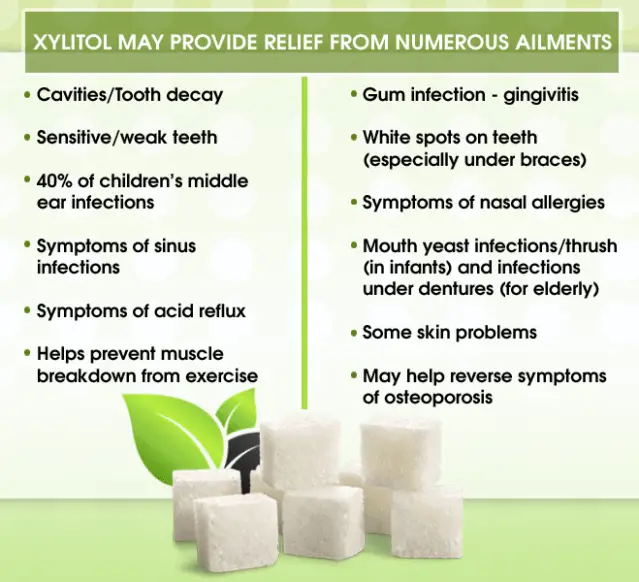
Xylitol, a five-carbon sugar alcohol naturally found in various fruits and vegetables, has garnered significant attention for its potential in preventing dental caries and improving gum health. Unlike sucrose and other fermentable carbohydrates, xylitol is poorly metabolized by oral bacteria responsible for plaque formation and acid production.
Mechanism of Action of Xylitol
The anti-cariogenic properties of xylitol are multifactorial:
- Inhibition of bacterial growth: Xylitol inhibits the growth and metabolism of Streptococcus mutans, a key cariogenic bacterium, by interfering with its adhesion to tooth surfaces and inhibiting its ability to produce lactic acid.
- Reduced plaque formation: By preventing bacterial adherence and metabolism, xylitol contributes to reduced plaque accumulation, thereby minimizing the risk of gingivitis and periodontitis.
- Stimulation of saliva production: Xylitol can increase saliva production, which plays a critical role in neutralizing acids, clearing debris, and remineralizing tooth enamel. Increased saliva flow helps wash away harmful bacteria and maintain a healthy oral environment.
- Enhanced remineralization: Studies suggest that xylitol can promote remineralization of early carious lesions, helping to repair enamel damage.
Probiotics: Modulating the Oral Microbiome for Gum Health
Probiotics are live microorganisms, primarily bacteria and yeasts, that confer health benefits when administered in adequate amounts. Emerging research emphasizes their potential role in modulating the oral microbiome, promoting a balanced ecosystem, and preventing periodontal diseases.
Mechanism of Action of Probiotics
The beneficial effects of probiotics in oral health are attributed to several mechanisms:
- Competition for nutrients and adhesion sites: Probiotic strains compete with pathogenic bacteria for nutrients and binding sites on tooth surfaces, thereby reducing their colonization and growth.
- Production of antimicrobial substances: Certain probiotic strains produce bacteriocins and other antimicrobial compounds that inhibit the growth of pathogenic bacteria, reducing biofilm formation and inflammation.
- Immune modulation: Probiotics can modulate the host immune response by enhancing the activity of immune cells and reducing the production of pro-inflammatory cytokines, thereby mitigating the inflammatory response associated with periodontal disease.
- Improvement of gingival health: Studies have shown that probiotic supplementation can lead to improvements in gingival inflammation, bleeding on probing, and periodontal pocket depth.
Synergistic Effects of Xylitol and Probiotics
The combined use of xylitol and probiotics offers a potentially synergistic approach to gum protection. While xylitol directly inhibits the growth and activity of cariogenic bacteria, probiotics contribute to restoring the balance of the oral microbiome, promoting the growth of beneficial bacteria, and suppressing the pathogenic ones. This combined action strengthens the overall defense against periodontal pathogens.
The synergistic effect is particularly relevant in preventing the establishment and growth of pathogenic bacteria. By reducing the initial bacterial load through xylitol's inhibitory action, probiotics find a more favorable environment to colonize and exert their beneficial effects. This creates a more resilient oral environment, less susceptible to periodontal infections. Additionally, the improved salivary flow stimulated by xylitol facilitates the dissemination of probiotics throughout the oral cavity, enhancing their efficacy.
Clinical Evidence and Future Directions
While a significant body of evidence supports the individual benefits of xylitol and probiotics in oral health, further research is needed to fully elucidate their synergistic effects. Many studies have demonstrated the individual efficacy of xylitol and probiotics in improving various aspects of oral health, however, more rigorous clinical trials are required to definitively establish the optimal combinations, dosages, and durations of treatment for achieving maximum synergistic effects in preventing and managing periodontal disease.
Future research should focus on identifying specific probiotic strains with optimal efficacy in combination with xylitol. Studies should also explore the long-term effects of combined xylitol and probiotic interventions on the oral microbiome and the prevention of periodontal disease progression. Personalized approaches, considering individual oral microbiome profiles and risk factors for periodontal disease, could further optimize the efficacy of these interventions.
In conclusion, both xylitol and probiotics hold significant promise for improving gum health. Their individual mechanisms of action, along with the potential for synergistic effects when used in combination, suggest a promising approach to preventing and managing periodontal disease. While further research is necessary to fully elucidate the optimal strategies for their combined use, existing evidence strongly supports their incorporation into comprehensive oral hygiene regimens for enhanced gum protection and improved overall oral health.
How Probiotics Help Alleviate Tooth Sensitivity and Improve Oral Comfort
Probiotics: Your Secret Weapon for a Happy, Healthy Mouth
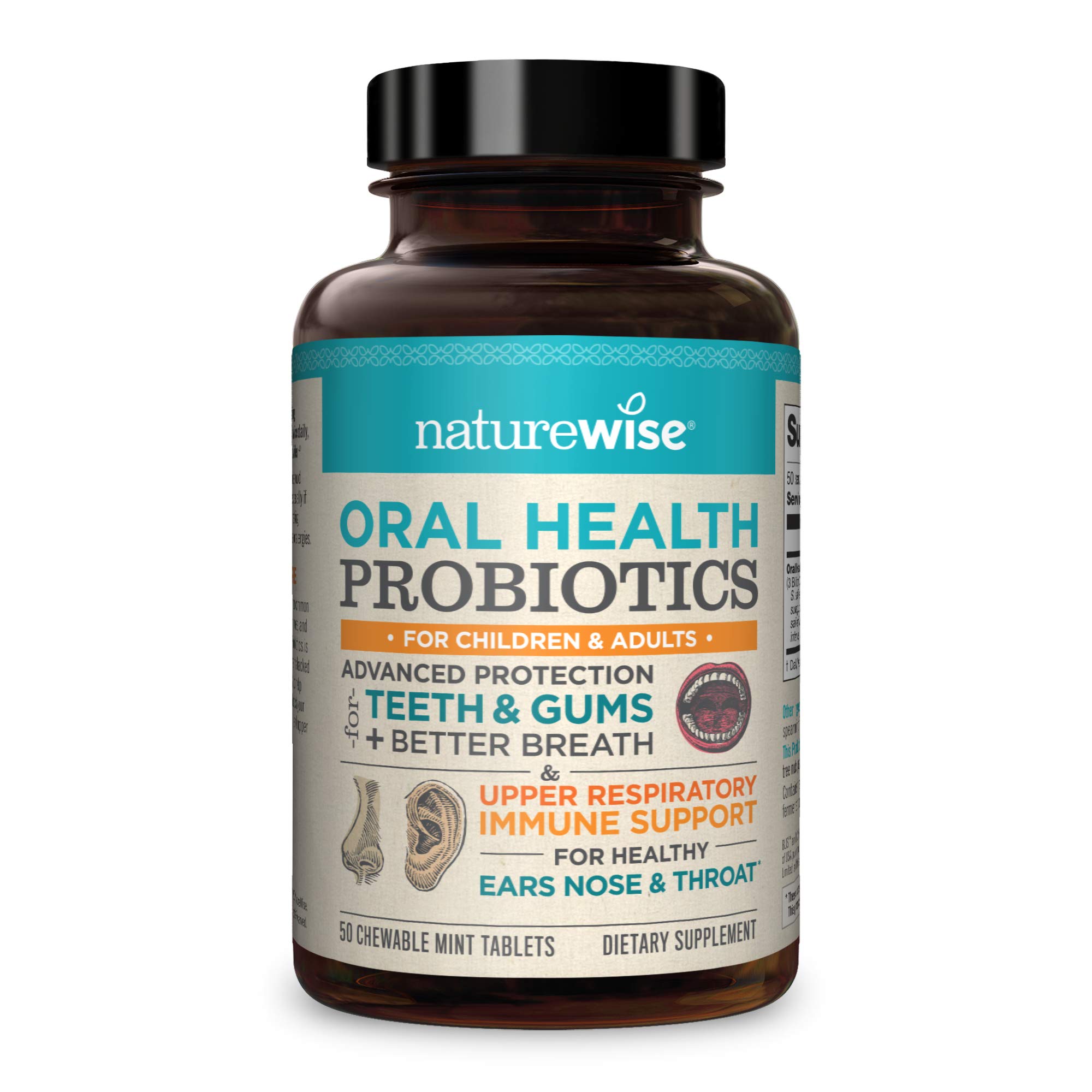
Tooth sensitivity – that sharp, shooting pain when you bite into something cold, hot, sweet, or acidic – plagues millions. It significantly impacts quality of life, often forcing dietary restrictions and limiting enjoyment of everyday pleasures. While traditional methods like desensitizing toothpaste offer some relief, a growing body of research points to a surprising ally in the fight against sensitivity: probiotics. These beneficial bacteria, already celebrated for their gut health benefits, are increasingly recognized for their powerful role in promoting oral health and alleviating discomfort.
Understanding the Link Between Oral Microbiome and Sensitivity
Your mouth teems with a complex ecosystem of bacteria, collectively known as the oral microbiome. A balanced microbiome is crucial for oral health. When this balance is disrupted – a condition known as dysbiosis – harmful bacteria can proliferate, leading to various problems including gingivitis, periodontitis, and even tooth sensitivity. Harmful bacteria produce acids that erode tooth enamel, exposing the dentin layer beneath. This dentin contains microscopic tubules that lead directly to the nerves in your teeth, resulting in that characteristic sensitivity.
How Probiotics Restore Balance
Probiotics work by re-establishing a healthy balance within the oral microbiome. They achieve this in several ways:
- Competing with harmful bacteria for resources: Probiotics essentially outcompete the bad bacteria, limiting their ability to grow and produce harmful acids.
- Producing antimicrobial substances: Some probiotics produce substances that directly inhibit the growth of harmful bacteria, further reducing their impact.
- Strengthening the immune response: Probiotics stimulate the body's natural defenses, helping to fight infection and inflammation that contribute to tooth sensitivity.
- Promoting saliva production: Saliva plays a crucial role in neutralizing acids and washing away food particles, contributing to a healthier oral environment.
Evidence Supporting Probiotic Use for Tooth Sensitivity
While research is ongoing, several studies suggest a positive correlation between probiotic use and reduced tooth sensitivity. For instance, studies have shown that certain probiotic strains, when incorporated into mouthwashes or taken as supplements, can effectively reduce gingivitis and plaque buildup—both major contributors to enamel erosion and subsequent sensitivity. These improvements in overall oral health translate to a noticeable reduction in sensitivity for many individuals.
Incorporating Probiotics into Your Oral Care Routine
There are several ways to harness the power of probiotics for better oral health:
- Probiotic mouthwashes: Look for mouthwashes specifically formulated with beneficial probiotic strains. These mouthwashes offer a convenient way to introduce probiotics directly into the oral cavity.
- Probiotic supplements: While not directly applied to the mouth, some studies suggest that systemic probiotic intake can influence the oral microbiome positively. However, always consult your dentist or doctor before starting any new supplement regimen.
- Probiotic-rich foods: Incorporating foods rich in probiotics, such as yogurt (especially those containing live and active cultures), kefir, and sauerkraut into your diet can contribute to a healthier gut and potentially a healthier mouth.
Important Note: While probiotics show promise in improving oral health and reducing sensitivity, they are not a miracle cure. Maintaining a comprehensive oral hygiene routine, including regular brushing, flossing, and professional dental cleanings, remains crucial. Probiotics should be considered a complementary approach to enhance your overall oral wellness.
How to Strengthen Gums Naturally and Avoid Gum Recession Issues

Strengthen Your Gums Naturally and Combat Recession
Gum recession, the gradual pulling back of gum tissue from the teeth, is a common dental problem that can lead to sensitivity, tooth loss, and other oral health issues. While professional dental care is crucial, you can significantly bolster your gum health and actively prevent recession through natural methods. This article explores simple yet effective strategies to fortify your gums and maintain a radiant smile.
Understanding Gum Recession and its Causes
Before diving into solutions, let's understand why gums recede. Aggressive brushing, using a hard-bristled toothbrush, is a major culprit. The abrasive action wears away the gum tissue over time. Similarly, gum disease (periodontal disease), an infection affecting the gums and supporting bone, plays a significant role. Bacteria build-up inflames the gums, leading to inflammation and ultimately, recession. Genetics also influence susceptibility, with some individuals naturally more prone to gum recession than others. Finally, poor oral hygiene practices, such as infrequent flossing and neglecting regular dental checkups, exacerbate the risk.
Natural Ways to Strengthen Your Gums
Fortunately, numerous natural methods can actively improve your gum health and potentially reverse mild recession. These strategies focus on enhancing gum tissue strength, reducing inflammation, and promoting overall oral wellness.
Dietary Adjustments for Gum Health
Your diet significantly impacts gum health. Consume foods rich in Vitamin C, a powerful antioxidant that strengthens connective tissue and boosts the immune system. Citrus fruits, strawberries, and bell peppers are excellent sources. Include foods high in Vitamin K2, which aids in calcium absorption and strengthens bone density, supporting gum tissue integrity. Leafy greens like kale and spinach are rich in Vitamin K2. Increase your intake of calcium for stronger teeth and gums. Dairy products, almonds, and leafy greens are good sources. Finally, ensure adequate intake of Vitamin D, which also plays a crucial role in bone health and may indirectly support gum tissue. Fatty fish, egg yolks, and fortified foods provide vitamin D.
Effective Oral Hygiene Techniques
Proper brushing and flossing are fundamental. Use a soft-bristled toothbrush and gentle, circular motions. Avoid aggressive scrubbing. Floss daily to remove plaque and food particles from between your teeth, preventing bacterial build-up. Use an antiseptic mouthwash as directed by your dentist, to help combat bacteria and reduce inflammation. Consider oil pulling with coconut oil for its antibacterial and anti-inflammatory properties. Remember, consistency is key; diligent oral hygiene is your first line of defense against gum recession.
Natural Remedies and Herbal Solutions
Certain natural remedies show promise in promoting gum health. Aloe vera, known for its soothing and anti-inflammatory properties, can be applied directly to the gums to reduce inflammation. Green tea, rich in antioxidants, helps combat bacteria and inflammation. Rinsing with green tea can be beneficial. Saltwater rinses can temporarily alleviate discomfort and reduce inflammation by drawing out bacteria and debris. Always consult your dentist before using any natural remedies, especially if you have pre-existing conditions.
Maintaining Long-Term Gum Health
Sustaining healthy gums requires a holistic approach. Regular dental checkups are crucial. Your dentist can identify potential problems early on and provide professional cleanings to remove plaque and tartar buildup. Quit smoking, as smoking significantly increases the risk of gum disease and recession. Manage stress effectively, as chronic stress can negatively impact your immune system and increase inflammation. By combining these natural strategies with professional dental care, you can proactively protect your gums and enjoy a healthy, confident smile for years to come.
Monday, January 27, 2025
How Probiotics Work for Healthier Teeth and Gums Naturally
Harnessing the Power of Probiotics for a Healthier Smile
For centuries, we've understood the importance of a balanced diet for overall health. Now, the spotlight is shining on the crucial role of our gut microbiome, and increasingly, research reveals a fascinating connection between these microscopic inhabitants and the health of our mouths. Probiotics, those beneficial bacteria, are emerging as powerful allies in the fight for healthier teeth and gums. This article explores how these tiny organisms contribute to a naturally brighter and healthier smile.
Understanding the Oral Microbiome and Its Imbalance
Your mouth teems with a diverse community of bacteria â€" a complex ecosystem known as the oral microbiome. A healthy balance between beneficial and harmful bacteria is essential for maintaining oral health. However, various factors can disrupt this delicate equilibrium, leading to an overgrowth of harmful bacteria. These factors include poor oral hygiene, a diet high in sugary foods and processed carbohydrates, smoking, and certain medical conditions. When harmful bacteria dominate, they produce acids that erode tooth enamel, leading to cavities, and irritate gums, increasing the risk of gingivitis and periodontitis (gum disease).
How Probiotics Combat Oral Bacteria
Probiotics work in several ways to improve oral health. They don't simply eliminate all bacteria; instead, they help restore the balance within the oral microbiome. This is achieved through several mechanisms:
1. Competition for Resources and Space:
Beneficial probiotic bacteria compete with harmful bacteria for nutrients and attachment sites on the teeth and gums. By successfully outcompeting harmful strains, probiotics effectively limit their growth and colonization.
2. Production of Antimicrobial Substances:
Many probiotic strains produce substances that directly inhibit the growth of harmful oral bacteria. These antimicrobial compounds can disrupt bacterial cell walls, preventing their replication and survival. This natural defense mechanism helps maintain a healthy balance within the oral ecosystem.
3. Modulation of the Immune Response:
Probiotics interact with the immune system, strengthening its ability to fight off infections. They help regulate the inflammatory response, crucial in preventing and managing gum disease. This immune modulation helps to reduce the severity of gum inflammation and maintain healthy gums.
Incorporating Probiotics into Your Oral Health Routine
While more research is needed to fully understand the specific benefits of different probiotic strains for oral health, several strategies can help you harness their power:
- Incorporate probiotic-rich foods into your diet: Foods like yogurt (containing live and active cultures), kefir, and sauerkraut can contribute beneficial bacteria to your gut and potentially your mouth.
- Consider probiotic supplements: Many probiotic supplements are available, often containing specific strains shown to be beneficial for gut health. While not all have been directly tested for oral health benefits, the overall gut health impact may indirectly improve oral health. Always consult your doctor or dentist before starting any new supplement.
- Maintain excellent oral hygiene: Probiotics are not a replacement for good oral hygiene practices. Continue to brush and floss regularly and visit your dentist for regular check-ups and cleanings.
Disclaimer: While probiotics offer promising potential for improving oral health, they are not a cure-all. Always consult with your dentist or healthcare provider before making significant changes to your diet or supplement regimen, especially if you have existing oral health problems or are taking other medications.
How to Heal Sensitive Gums with Essential Oils

Soothe Your Sensitive Gums Naturally: An Essential Oil Guide
Sensitive gums, characterized by bleeding, pain, and inflammation, can significantly impact your oral health and overall well-being. While professional dental care is crucial, essential oils offer a natural and complementary approach to soothe irritated gums and promote healing. This guide explores the benefits of specific essential oils and provides detailed instructions for safe and effective use. Remember, always consult your dentist before incorporating essential oils into your oral health routine, especially if you have existing conditions or are taking medications.
Understanding Sensitive Gums
Sensitive gums often stem from gum disease (gingivitis or periodontitis), poor oral hygiene, aggressive brushing, or even certain medical conditions. The inflammation causes the gums to become tender, bleed easily, and potentially recede, exposing the tooth roots and making them more vulnerable to decay. Addressing the underlying cause is paramount, but essential oils can offer targeted relief from the symptoms and support the healing process. Proper brushing and flossing techniques, combined with regular dental checkups, remain essential for long-term gum health.
Essential Oils for Sensitive Gums
Several essential oils possess anti-inflammatory, antibacterial, and analgesic properties that can benefit sensitive gums. However, it's crucial to use them correctly and dilute them properly to prevent irritation. Never apply undiluted essential oils directly to your gums.
Tea Tree Oil
Known for its potent antibacterial and antifungal properties, tea tree oil effectively combats the bacteria contributing to gum inflammation. It helps reduce swelling and promotes healing. To use, dilute 1-2 drops of tea tree oil in 1 tablespoon of a carrier oil like coconut or jojoba oil. Gently massage this mixture onto your gums once or twice daily after brushing.
Clove Oil
Clove oil boasts strong analgesic and antiseptic qualities, providing effective pain relief and fighting infection. Its active compound, eugenol, numbs the affected area, offering immediate comfort from gum sensitivity. Dilute 1 drop of clove oil with 2 tablespoons of a carrier oil and apply it cautiously to the affected areas once daily. Use clove oil sparingly due to its potent properties.
Myrrh Oil
Myrrh oil exhibits impressive anti-inflammatory and antimicrobial effects. It contributes to gum tissue regeneration and reduces bleeding. Mix 1 drop of myrrh oil with 1 tablespoon of a carrier oil and gently massage it into your gums twice a day. Myrrh's astringent properties help to tighten gum tissues.
Safe and Effective Application Techniques
Applying essential oils to your gums requires a careful and considered approach. Always follow these guidelines:
- Dilute properly: Never apply undiluted essential oils. Always use a carrier oil (coconut, jojoba, or olive oil) to dilute the essential oil.
- Perform a patch test: Before applying to your gums, test a small amount of the diluted mixture on a less sensitive area of skin to check for any allergic reactions.
- Gentle application: Use a clean fingertip or cotton swab to gently massage the diluted mixture onto your gums.
- Frequency: Apply the mixture once or twice daily after brushing and flossing.
- Monitor for reactions: If you experience any irritation, discontinue use and consult your dentist or healthcare provider.
Remember, essential oils are a complementary therapy, not a replacement for professional dental care. Consistent oral hygiene practices, regular dental checkups, and addressing underlying dental issues are critical for maintaining healthy gums. By combining these natural remedies with professional guidance, you can effectively address your sensitive gums and promote long-term oral health.
How Omega-3 Fatty Acids Benefit Your Oral Health
Omega-3 Fatty Acids: Your Mouth's Secret Weapon
Hey everyone! Let's talk about something super important, but often overlooked: the connection between what we eat and the health of our mouths. We all know brushing and flossing are crucial, but did you know that the foods we consume play a HUGE role in keeping our gums happy and our teeth strong? Today, we're diving deep into the world of omega-3 fatty acids and how they can be a game-changer for your oral health. Get comfy, grab a glass of water (preferably with some lemon â€" good for your teeth!), and let's get started!What are Omega-3s, Anyway?
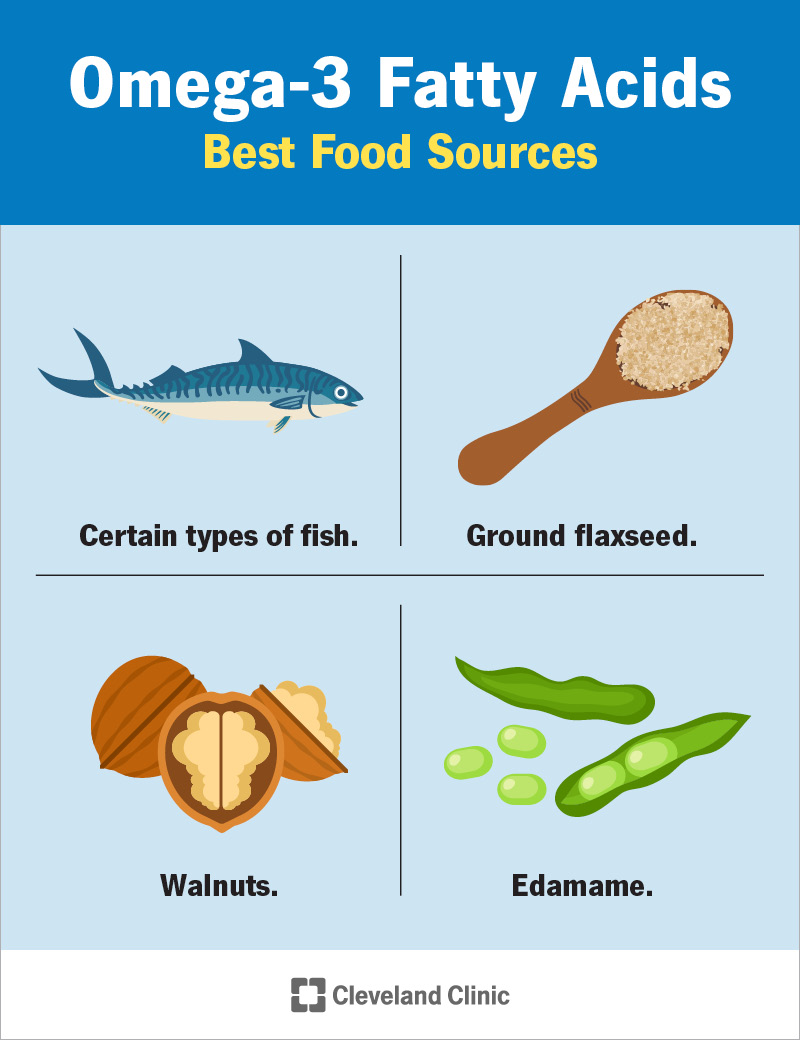
Omega-3 fatty acids are a type of polyunsaturated fat â€" basically, a good kind of fat! They're essential, meaning our bodies can't produce them on their own, so we need to get them from our diet. There are three main types: ALA, EPA, and DHA. ALA is found in plant-based sources like flaxseed and chia seeds, while EPA and DHA are primarily found in fatty fish like salmon, mackerel, and tuna. These last two are the ones often touted for their impressive health benefits, including those related to oral health.
How Do Omega-3s Help My Mouth?
Think of omega-3s as tiny superheroes fighting for the health of your gums and teeth. They work in several amazing ways:
Reducing Inflammation
Inflammation is at the root of many oral health problems, like gingivitis (gum inflammation) and periodontitis (a more serious gum disease). Omega-3s possess powerful anti-inflammatory properties. They help reduce the body's inflammatory response, calming down irritated gums and potentially preventing the progression of gum disease. Think of it like soothing a sunburn â€" omega-3s provide that same kind of relief for inflamed gums.
Fighting Bacteria
Our mouths are home to a complex ecosystem of bacteria, some good and some bad. An overgrowth of bad bacteria can lead to plaque buildup, cavities, and gum disease. Studies suggest that omega-3s can help inhibit the growth of certain harmful bacteria in the mouth, contributing to a healthier oral environment. They don't just soothe inflammation; they actively combat some of the culprits behind oral problems.
Improving Immune Function
A strong immune system is essential for fighting off infection, and that includes infections in your mouth. Omega-3s are known to boost immune function, making your body better equipped to defend against oral bacteria and prevent infections. Think of it as adding extra troops to your body's defense force against those sneaky bacteria!
Protecting Against Dry Mouth
Dry mouth (xerostomia) can be a real pain, making you more susceptible to cavities and infections. While the exact mechanism isn't fully understood, some research suggests that omega-3s may help improve salivary flow, counteracting the effects of dry mouth and promoting a healthier oral environment.
How Can I Get More Omega-3s?
The best way to reap the benefits of omega-3s is by incorporating them into your diet! Here are some tasty and easy ways:
- Fatty fish: Salmon, mackerel, tuna, sardines â€" aim for at least two servings per week.
- Flaxseeds: Add them to your yogurt, smoothies, or salads.
- Chia seeds: Sprinkle them on your oatmeal or cereal.
- Walnuts: Enjoy them as a snack or add them to your baked goods.
- Omega-3 supplements: If you find it difficult to get enough omega-3s from your diet, talk to your doctor or dentist about supplements.
Remember, a balanced diet rich in fruits, vegetables, and whole grains is crucial for overall health, including oral health. Omega-3s are just one piece of the puzzle!
Important Note: Consult Your Doctor or Dentist
While omega-3s offer many benefits, they're not a magic bullet. It's always best to consult with your doctor or dentist before making significant changes to your diet, especially if you have any underlying health conditions or are taking medications. They can help you determine the right amount of omega-3s for your individual needs and ensure that they won't interact negatively with any other treatments you're undergoing.
Beyond Omega-3s: Maintaining Optimal Oral Health
Omega-3s are a great addition to your oral health routine, but they shouldn't replace good oral hygiene practices. Remember to:
- Brush your teeth twice a day with fluoride toothpaste.
- Floss daily to remove plaque and food particles from between your teeth.
- Visit your dentist regularly for checkups and cleanings.
- Maintain a healthy diet and lifestyle.
Frequently Asked Questions
Q: Will omega-3s cure gum disease?
A: While omega-3s can significantly reduce inflammation and help manage gum disease, they are not a cure. They work best in conjunction with professional dental care and good oral hygiene practices.
Q: Are there any side effects of taking omega-3 supplements?
A: Some people may experience side effects like nausea, diarrhea, or heartburn when taking omega-3 supplements. It's best to start with a low dose and gradually increase it as needed. Always consult your doctor before starting any new supplement.
Q: How long does it take to see results?
A: The time it takes to see improvements in your oral health can vary depending on your individual circumstances and the severity of any existing conditions. However, many people report noticing positive changes within a few weeks of incorporating omega-3s into their diet or supplement routine.
Q: Can I get too much omega-3?
A: While unlikely from dietary sources, consuming excessive amounts of omega-3 supplements can lead to side effects. It’s important to follow the recommended dosage on the supplement label and consult your doctor or dentist for personalized advice.
Q: Are all omega-3 supplements created equal?
A: No, not all omega-3 supplements are created equal. Look for supplements that are third-party tested and provide information on the concentration of EPA and DHA. Discuss your options with your doctor or a registered dietitian.
I hope this information has been helpful! Remember, a healthy mouth is a happy mouth, and incorporating omega-3s into your diet can be a significant step towards achieving optimal oral health. As always, consult your dentist or doctor with any concerns or before starting any new dietary regime. Happy brushing (and eating!)
Home Remedies to Stop Gums from Bleeding Naturally and Safely

Home Remedies to Stop Gums from Bleeding Naturally and Safely
Bleeding gums, medically termed gingival bleeding, are a common oral health concern often indicative of underlying gum disease (gingivitis or periodontitis). While professional dental care is crucial for addressing the root cause, several home remedies can offer temporary relief and contribute to improved oral hygiene, thus supporting the treatment plan recommended by your dentist.
It is vital to remember that these home remedies are supplementary and should not replace regular dental check-ups and professional cleaning. Persistent or severe gum bleeding warrants immediate consultation with a dentist to rule out serious conditions.
Understanding the Causes of Bleeding Gums
Before exploring home remedies, understanding the underlying causes of bleeding gums is paramount. The most frequent culprit is gingivitis, an inflammatory condition caused by bacterial plaque buildup along the gum line. This plaque irritates the gums, leading to inflammation, swelling, and ultimately, bleeding. Poor oral hygiene practices, such as infrequent brushing and flossing, are major contributors. Other factors include:
- Aggressive brushing: Brushing too hard can damage gum tissues, causing bleeding.
- Hormonal changes: Fluctuations in hormone levels, particularly during pregnancy and puberty, can increase gum sensitivity and bleeding.
- Vitamin C deficiency: Vitamin C plays a crucial role in collagen production, essential for healthy gums. Deficiency can weaken gum tissues.
- Certain medications: Some medications, such as blood thinners, can increase the risk of bleeding gums.
- Smoking: Smoking restricts blood flow to the gums, hindering healing and increasing susceptibility to infection.
- Underlying medical conditions: Certain medical conditions, such as diabetes and leukemia, can affect gum health and increase bleeding.
Effective Home Remedies for Bleeding Gums
Several readily available home remedies can help alleviate bleeding gums and promote gum health. However, consistent application and good oral hygiene are key to their effectiveness.
Saltwater Rinse
A simple saltwater rinse is a highly effective and readily available remedy. Salt possesses antiseptic properties that help reduce inflammation and kill bacteria. Dissolving 1/2 to 3/4 teaspoon of salt in a glass of warm water provides a soothing and effective rinse. Gently swish the solution around your mouth for at least 30 seconds, then spit it out. Repeat this several times a day, especially after brushing and flossing.
Hydrogen Peroxide Rinse
Hydrogen peroxide, a mild antiseptic, can help kill bacteria and reduce inflammation. Dilute 3% hydrogen peroxide with an equal amount of water. Gently rinse your mouth with this solution for about 30 seconds, then thoroughly rinse with plain water. Do not swallow the solution. Use this remedy sparingly, as frequent use can damage gum tissues. Consult your dentist before using hydrogen peroxide if you have any concerns.
Aloe Vera Gel
Aloe vera, known for its soothing and anti-inflammatory properties, can provide relief from bleeding gums. Apply a small amount of pure aloe vera gel directly to the affected gums. Gently massage the gel into the gums for a few minutes, then rinse your mouth with water. Aloe vera can also be used as a mouthwash; however, always choose a high-quality product that does not contain additional additives.
Clove Oil
Clove oil possesses potent antibacterial and analgesic properties. Its main component, eugenol, acts as a natural anesthetic and reduces pain and inflammation. Dilute a few drops of clove oil in a tablespoon of olive oil or coconut oil. Apply this mixture directly to the bleeding gums using a cotton swab. Be cautious, as undiluted clove oil can irritate sensitive gums.
Tea Tree Oil
Tea tree oil, another natural antiseptic, exhibits strong antibacterial and anti-inflammatory effects. Similar to clove oil, it should be diluted before application. Mix a few drops of tea tree oil with a carrier oil, such as coconut or olive oil. Apply this mixture to the affected area using a cotton swab. However, note that tea tree oil should be used cautiously and only in diluted form, as it can be irritating to some individuals. Always perform a patch test on a small area of skin before applying it to your gums.
Improve Your Diet
A balanced diet rich in vitamins and minerals is crucial for maintaining healthy gums. Vitamin C plays a key role in collagen production, essential for gum tissue strength. Foods rich in vitamin C include citrus fruits, berries, and leafy green vegetables. Vitamin K is crucial for blood clotting, and foods like broccoli, spinach, and kale are excellent sources. A diet that includes these nutrients helps reduce bleeding and promotes healing.
Importance of Oral Hygiene
Maintaining meticulous oral hygiene is paramount in preventing and managing bleeding gums. This includes:
- Brushing: Brush your teeth twice daily for at least two minutes each time, using a soft-bristled toothbrush. Use gentle, circular motions to avoid damaging your gums.
- Flossing: Floss daily to remove plaque and food particles from between your teeth and along the gum line. Use gentle movements to avoid injuring your gums.
- Mouthwash: Use a therapeutic mouthwash as recommended by your dentist. Some mouthwashes contain antiseptic ingredients that help control bacteria and reduce inflammation.
- Regular Dental Checkups: Schedule regular dental checkups and professional cleanings to remove plaque and tartar buildup that your toothbrush and floss can't reach.
When to See a Dentist
While home remedies can offer temporary relief, persistent or severe gum bleeding requires professional attention. Consult your dentist immediately if you experience:
- Bleeding gums that persist despite good oral hygiene practices.
- Swollen, red, or tender gums.
- Receding gums.
- Loose teeth.
- Persistent bad breath.
- Pus formation around the gums.
Early diagnosis and treatment of gum disease are essential to prevent complications, such as tooth loss and other systemic health issues. Your dentist can determine the underlying cause of your bleeding gums and recommend the appropriate treatment plan.
How to Deal with White Gums and Restore Gum Health

Dealing with White Gums: A Guide to Healthy Gums
Hey there! So, you've noticed some white patches on your gums and you're wondering what's up? Don't worry, you're not alone. White gums can be a bit alarming, but understanding the causes and how to address them can put your mind at ease (and hopefully, your gums too!). This guide will walk you through everything you need to know about those pesky white patches and how to get your gums back to their healthy pink selves.Understanding White Gums: Why Are My Gums White?
Before we jump into solutions, let's figure out why your gums might be looking a little… off-color. There are several reasons why your gums could be showing white patches, and they range from relatively minor to needing professional attention. It's crucial to remember that I'm not a dentist, so this information is for informational purposes only and doesn't replace a visit to your dentist.Causes of White Gums
Here are some common culprits behind those white patches:
- Leukoplakia: This is a condition where white patches form on the gums and inner cheeks. It's usually harmless, but sometimes it can be a precancerous lesion. This needs a dentist's check-up to rule out any serious issues.
- Lichen Planus: Another condition that can cause white patches, often accompanied by irritation and inflammation. It's usually a chronic condition that needs management under a dentist's care.
- Candidiasis (Thrush): This is a fungal infection, usually caused by an overgrowth of Candida fungus. It can appear as white patches on the gums and tongue, often accompanied by a burning sensation. This is treatable with antifungal medications, prescribed by your doctor.
- Geographic Tongue: This is a harmless condition that causes areas on the tongue (and sometimes gums) to appear smooth and white or red. It's usually painless and doesn't require treatment.
- Improper Brushing Technique: Aggressive brushing can damage your gums, leading to receding gums and exposing underlying tissue, which might appear white.
- Dry Mouth (Xerostomia): Lack of saliva can dry out your gums, making them appear pale or white. This can be caused by medications, medical conditions, or even dehydration.
- Vitamin Deficiency: While less common, severe vitamin deficiencies, particularly vitamin B12 and iron, can manifest as pale gums.
Getting to the Bottom of It: When to See a Dentist
Look, I know we all try to avoid the dentist's chair, but when it comes to your oral health, prevention and early detection are key. If you notice white patches on your gums that are persistent, painful, or accompanied by other symptoms (like bleeding, swelling, or difficulty swallowing), it's absolutely crucial to schedule an appointment with your dentist as soon as possible.
Your dentist can properly diagnose the cause of the white patches and recommend the appropriate treatment. They might perform a visual examination, take a tissue sample (biopsy), or conduct other tests to determine the underlying issue.
Restoring Gum Health: What You Can Do
While a dentist's diagnosis and treatment are paramount, there are things you can do at home to support your gum health and create a favorable environment for healing.
Daily Oral Hygiene: Your First Line of Defense
This sounds basic, but it's the foundation of healthy gums. Let's talk about good brushing and flossing techniques:
- Gentle Brushing: Use a soft-bristled toothbrush and brush gently in small, circular motions. Avoid scrubbing aggressively, as this can damage your gums.
- Flossing Daily: Flossing is essential for removing plaque and food particles from between your teeth, where your toothbrush can't reach. Aim for at least once a day.
- Mouthwash: A therapeutic mouthwash, especially those containing chlorhexidine or essential oils (as recommended by your dentist), can help control bacteria and reduce inflammation.
Diet and Lifestyle for Healthy Gums
What you eat and drink directly impacts your oral health. A balanced diet rich in fruits, vegetables, and whole grains is crucial. Stay hydrated by drinking plenty of water throughout the day to help combat dry mouth. Limit sugary drinks and snacks, as they feed bacteria that contribute to gum disease.
Quitting smoking is also vital. Smoking significantly increases your risk of gum disease and makes it harder to heal.
Managing Underlying Conditions
If your white gums are related to an underlying medical condition (like dry mouth or a vitamin deficiency), addressing that condition is crucial for restoring gum health. Work with your doctor to manage any underlying health concerns.
Possible Treatments for White Gums
Treatment for white gums depends entirely on the underlying cause. Your dentist might recommend:
- Antifungal medications: For candidiasis (thrush).
- Corticosteroid creams or mouthwashes: To manage inflammation in conditions like lichen planus.
- Surgery: In some cases, especially for leukoplakia or other serious conditions.
- Dietary changes or supplements: To address vitamin deficiencies.
- Improved brushing and flossing techniques: To prevent further gum damage.
Commonly Asked Questions
Here are some frequently asked questions about white gums:
- Q: Will my white gums go away on their own? A: Sometimes, especially if the cause is minor, like a temporary dryness. However, it's crucial to see a dentist to rule out any serious underlying conditions. Don't delay seeking professional help.
- Q: Are white gums always a sign of a serious problem? A: No, not always. Many causes are relatively benign, but it’s essential to get a proper diagnosis to ensure early treatment if needed.
- Q: How long does it take to treat white gums? A: The treatment time varies significantly depending on the cause and the severity. It could range from a few weeks for a simple fungal infection to months or even longer for more complex conditions.
- Q: Can I use home remedies to treat white gums? A: While some home remedies might offer temporary relief for minor symptoms, they cannot replace professional dental care. Never self-treat, especially if the white patches are persistent or painful.
- Q: How can I prevent white gums in the future? A: Maintain excellent oral hygiene, eat a healthy diet, quit smoking, stay hydrated, and visit your dentist regularly for checkups and cleanings.
How to Identify the Cause of Gum Sensitivity in a Specific Area

Identifying the Cause of Localized Gum Sensitivity
Gum sensitivity, characterized by discomfort or pain in response to temperature changes, pressure, or certain foods, is a common dental complaint. While generalized gum sensitivity can affect the entire gum line, localized sensitivity, affecting a specific area, often points to a more targeted underlying cause. Pinpointing the precise etiology of this localized sensitivity is crucial for effective treatment and prevention of further complications. This article will explore the various factors that can contribute to localized gum sensitivity, guiding both dental professionals and individuals towards a comprehensive diagnosis.
Dental Caries and Cavities
One of the most prevalent causes of localized gum sensitivity is the presence of dental caries (cavities). Cavities, caused by the demineralization of tooth enamel due to bacterial acid production, can progress to involve the dentin, the layer beneath the enamel. Dentin contains microscopic tubules that extend towards the pulp (the innermost part of the tooth containing nerves and blood vessels). When a cavity approaches the dentin, external stimuli, such as hot, cold, or sweet foods, can easily penetrate these tubules, triggering nerve stimulation and resulting in sharp, localized pain. The sensitivity is typically concentrated in the area directly above the cavity.
Clinical Presentation
Clinically, localized sensitivity associated with dental caries is usually characterized by:
- Sharp, shooting pain in response to thermal stimuli.
- Pain that is brief and subsides quickly after the stimulus is removed.
- Pain localized to a specific tooth or area.
- Possible visual evidence of a cavity, such as discoloration or a visible hole in the tooth surface.
Diagnostic Procedures
Diagnosis relies on a thorough clinical examination, including visual inspection with a dental mirror and explorer, and radiographic imaging (X-rays). Radiographs can reveal cavities that might not be visible on visual examination, particularly those located between teeth or on the proximal surfaces.
Gum Recession
Gum recession, the process where the gum tissue pulls back from the tooth, exposing the root surface, is another significant contributor to localized gum sensitivity. The root surface lacks the protective enamel layer present on the crown, making it more susceptible to irritation. The exposed cementum and dentin are highly sensitive to temperature changes, pressure, and acidic foods.
Etiological Factors of Gum Recession
Several factors contribute to gum recession, including:
- Aggressive brushing techniques: Scrubbing vigorously with a hard-bristled toothbrush can erode gum tissue over time.
- Periodontal disease: Inflammation and infection of the gums can lead to the destruction of supporting tissues, resulting in gum recession.
- Genetics: Some individuals are genetically predisposed to having thinner gum tissue, making them more susceptible to recession.
- Tooth malposition: Crowded or misaligned teeth can put excessive pressure on surrounding gum tissue.
- Bruxism (teeth grinding): Chronic teeth grinding can wear down enamel and cause gum recession.
Clinical Presentation and Diagnosis
Clinically, gum recession manifests as visible receding gum line, exposing the root surface. The sensitivity is typically felt along the exposed root area. Diagnosis involves a visual examination and assessment of the patient's brushing habits and overall oral hygiene.
Dental Procedures and Trauma
Recent dental procedures, such as scaling and root planing, fillings, or crown placement, can temporarily cause localized gum sensitivity. The irritation and inflammation associated with these procedures can lead to heightened sensitivity until the tissues heal. Similarly, trauma to the tooth or gums, such as a blow to the mouth or accidental biting, can also induce localized sensitivity.
Clinical Presentation and Diagnosis
The sensitivity related to dental procedures is usually temporary and resolves within a few days or weeks. However, persistent or severe pain warrants further investigation. The diagnosis is typically based on the patient's history and the timing of the onset of sensitivity in relation to a specific dental procedure or trauma. A clinical examination may reveal signs of inflammation or minor tissue damage.
Periodontal Disease
While gum recession is a consequence of periodontal disease, the disease itself can also directly cause localized sensitivity. Inflammation and infection of the periodontal tissues (gums, ligaments, and bone supporting the teeth) can lead to the formation of periodontal pockets, areas where bacteria accumulate. This infection can irritate the nerves, causing sensitivity in the affected areas. Furthermore, the breakdown of supporting tissues can lead to tooth mobility and increased sensitivity to pressure.
Clinical Presentation and Diagnosis
Periodontal disease may present with symptoms such as bleeding gums, redness, swelling, and increased gum sensitivity. Diagnosis involves a thorough clinical examination, including periodontal probing to measure the depth of periodontal pockets, and radiographic imaging to assess bone loss. A periodontal chart is used to document the extent of periodontal disease. Laboratory analysis, such as microbial testing, might be conducted in some cases.
Abfraction Lesions
Abfraction lesions are non-carious cervical lesions that develop on the tooth surface at or near the gum line. These wedge-shaped lesions are believed to be caused by occlusal forces that cause bending of the tooth, resulting in microfractures and subsequent enamel and dentin loss. This exposure of dentin can result in localized sensitivity.
Clinical Presentation and Diagnosis
Abfraction lesions often appear as smooth, wedge-shaped defects at the cervical area of teeth. They can be sensitive to temperature changes, pressure, and sometimes even to air. The diagnosis is primarily based on clinical examination; radiographic imaging may help rule out other conditions.
Other Potential Causes
Several other factors can contribute to localized gum sensitivity, including:
- Exposed root surfaces due to tooth wear: Attrition (wear from tooth-to-tooth contact), erosion (wear from acidic substances), and abrasion (wear from external factors) can all expose the sensitive root surface.
- Implant-related sensitivity: Implants can sometimes experience sensitivity if the surrounding tissues are inflamed or if the implant itself is improperly placed.
- Medication side effects: Certain medications can cause gum sensitivity as a side effect.
Conclusion: Determining the cause of localized gum sensitivity requires a thorough clinical examination, taking into account the patient's history, symptoms, and radiographic findings. A comprehensive approach, integrating clinical assessment with appropriate diagnostic procedures, is essential for effective diagnosis and tailored treatment planning.